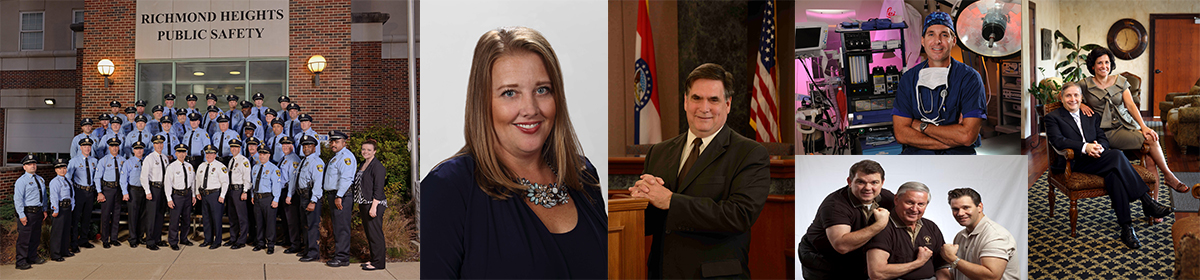
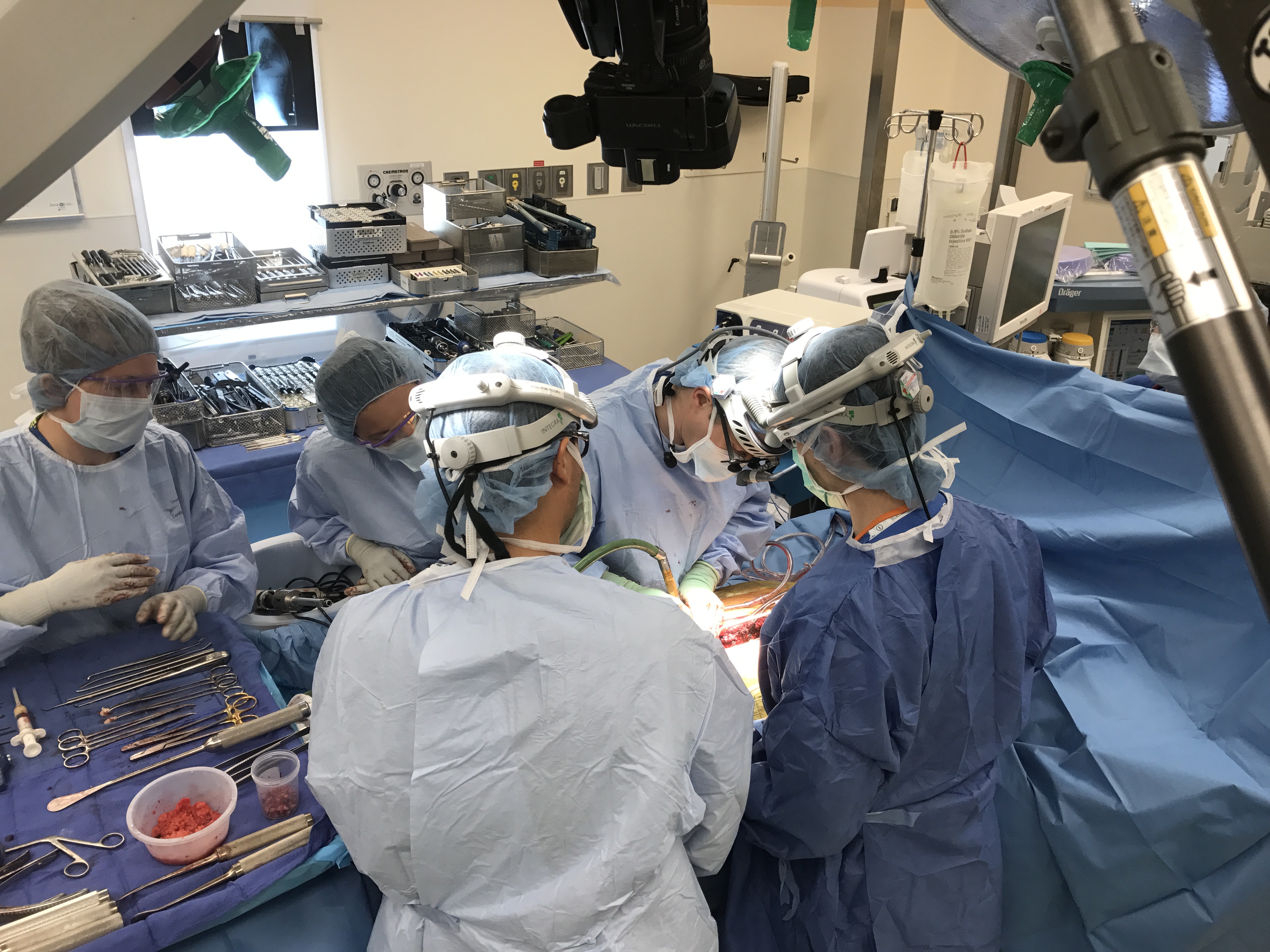
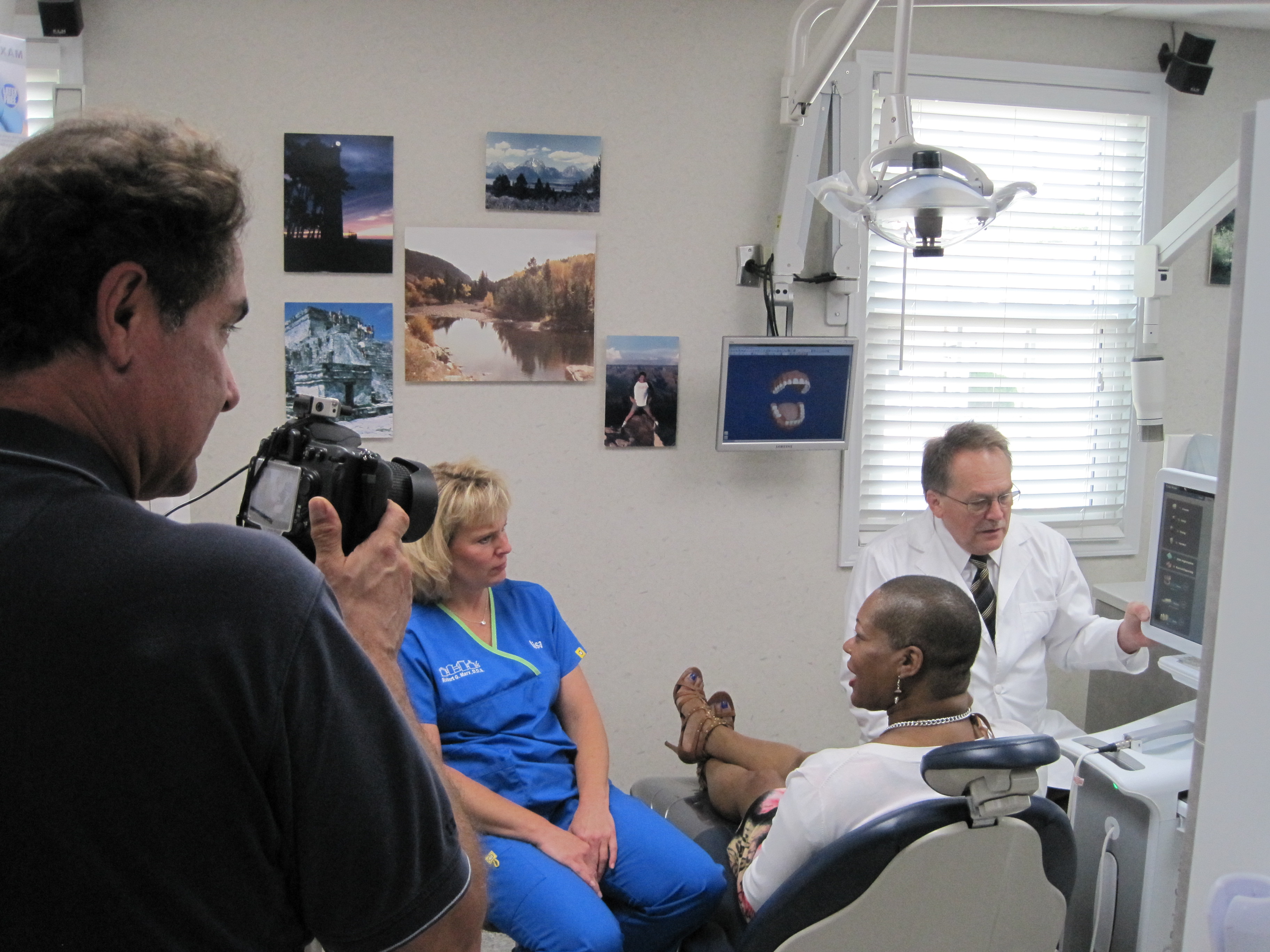
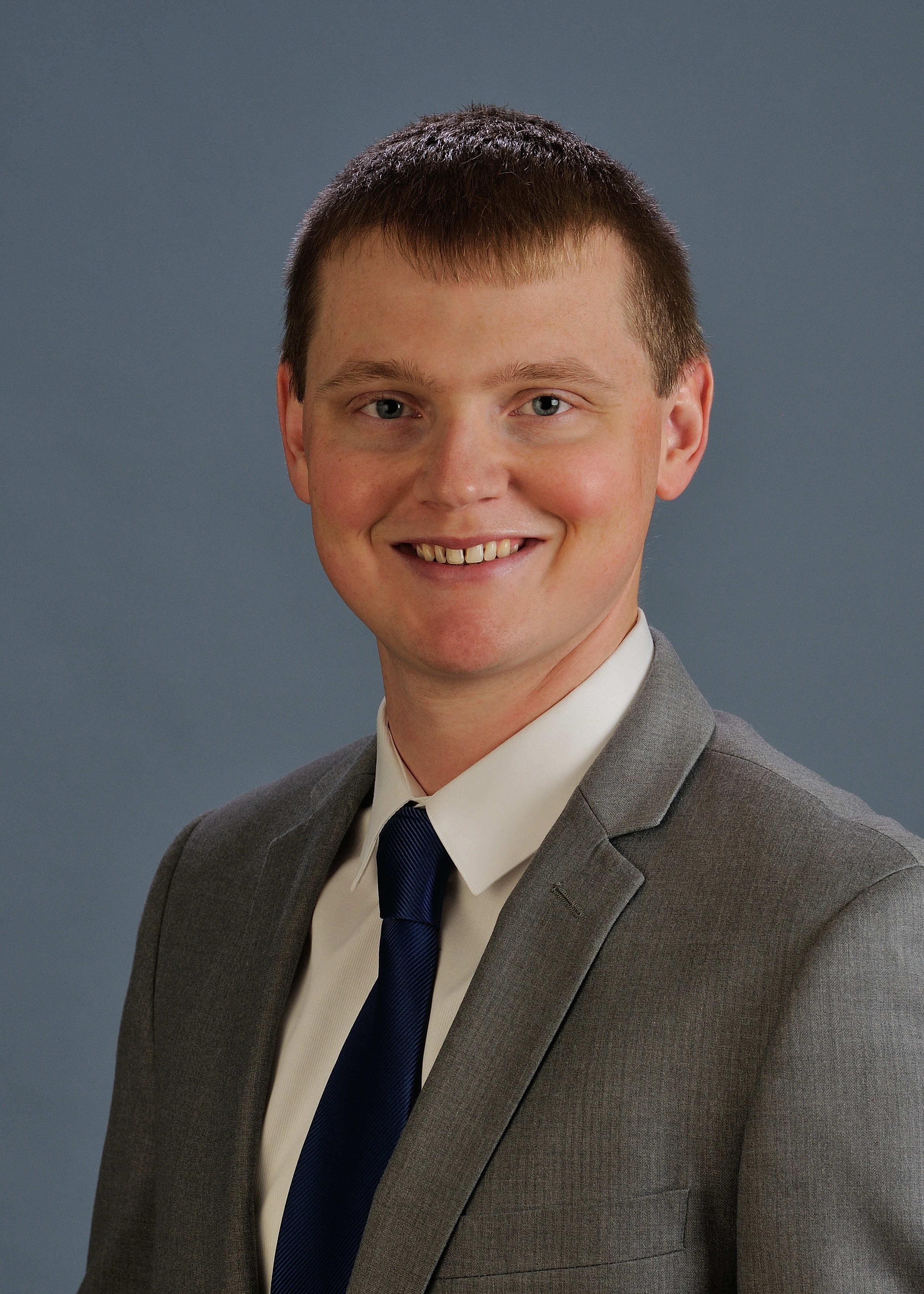
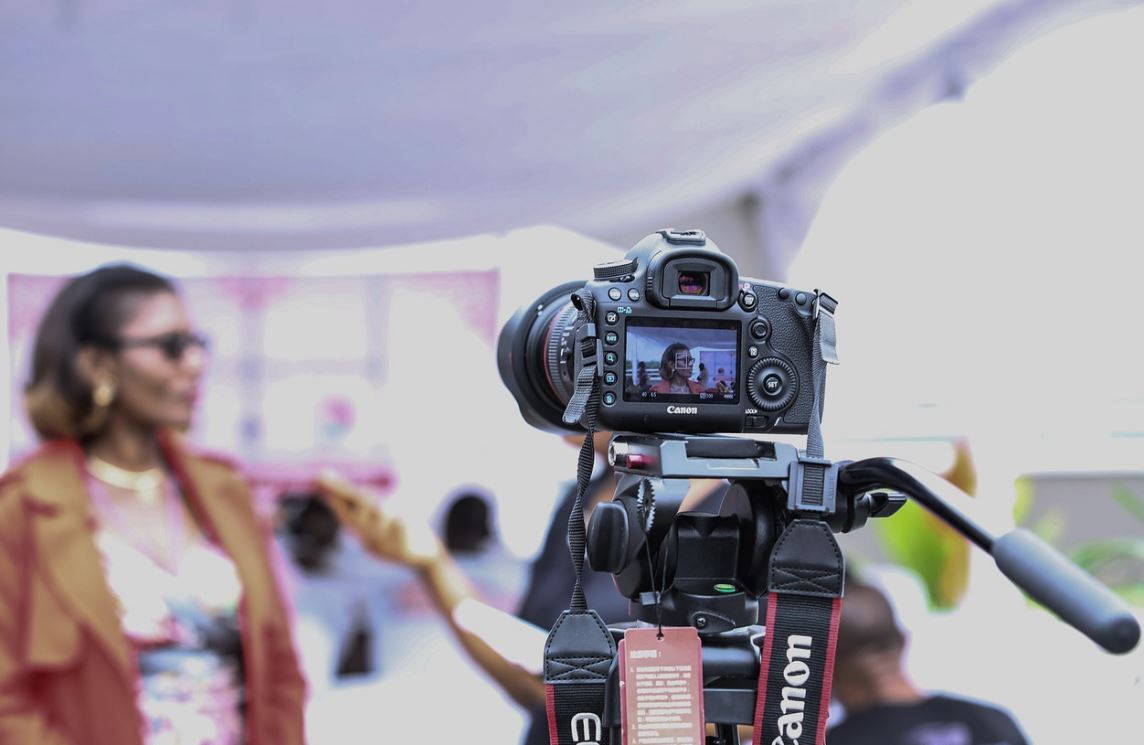
Most organizations judge an event by attendance, feedback, and leads. The best ones also judge it by what’s left afterward: the images, footage, and stories that keep working once the room is empty.
If you’re responsible for marketing, communications, or business development, live event photography and video production is how you turn a one-day investment into a content library. The difference between a forgettable folder of photos and a campaign-ready asset collection comes down to planning, and planning happens in three phases.
Phase One: Before the Event
Set the purpose
Coverage should serve a defined goal. Ask what the content needs to do:
Attract registrations or sponsors for the next event
Show leadership and stakeholders the return on the investment
Feed your website, social channels, and email campaigns
Support recruiting and employer branding
Document the event for reports, press, and archives
Each goal changes what gets shot, how much video you need, and how quickly you need it.
Build the coverage plan
Share your agenda, speaker list, VIPs, sponsor details, and venue information with your production team. A skilled producer will turn them into a shot list and a run-of-show that identifies:
Key people: executives, honorees, partners, featured guests
Brand touchpoints: signage, displays, stage design, sponsor areas
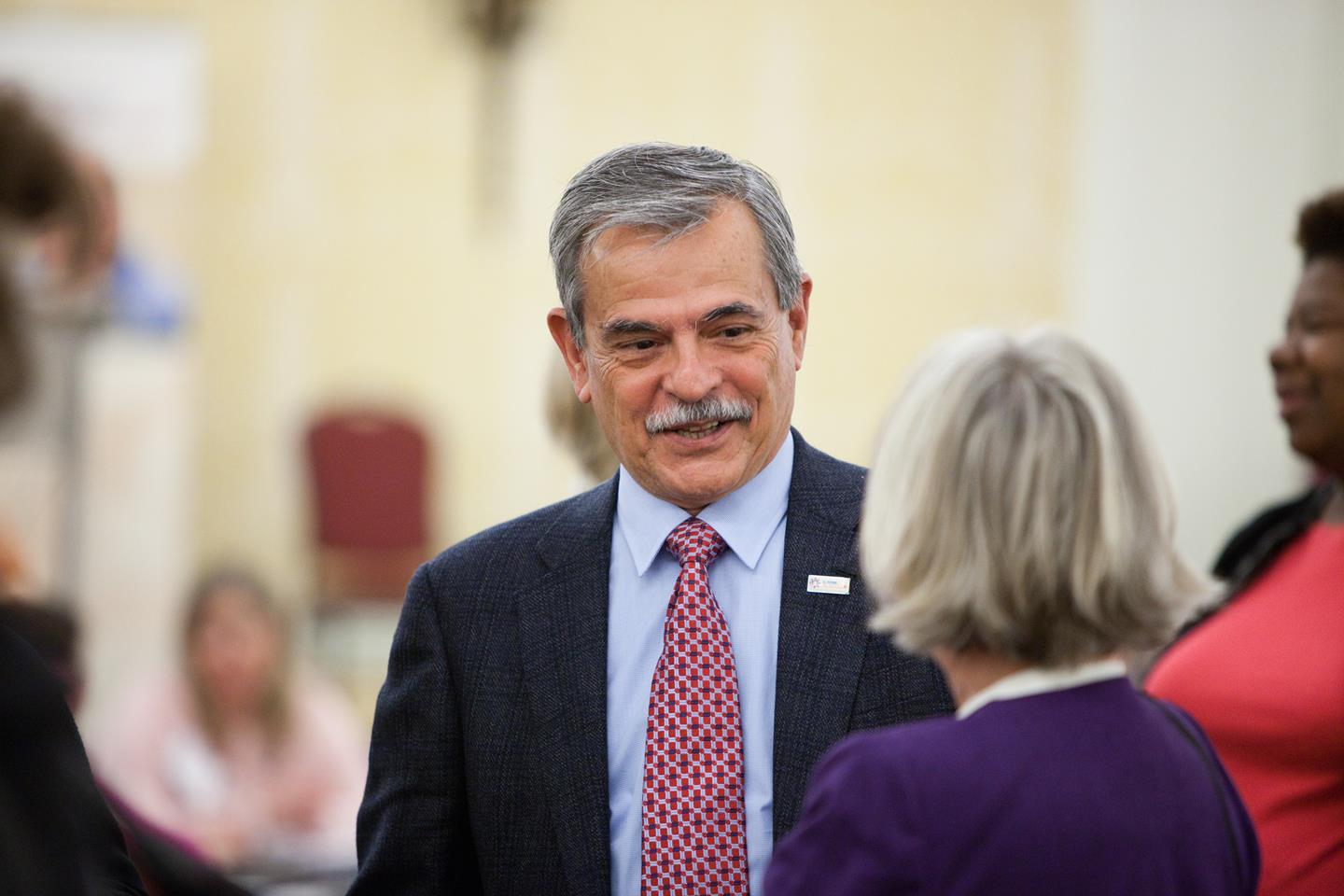
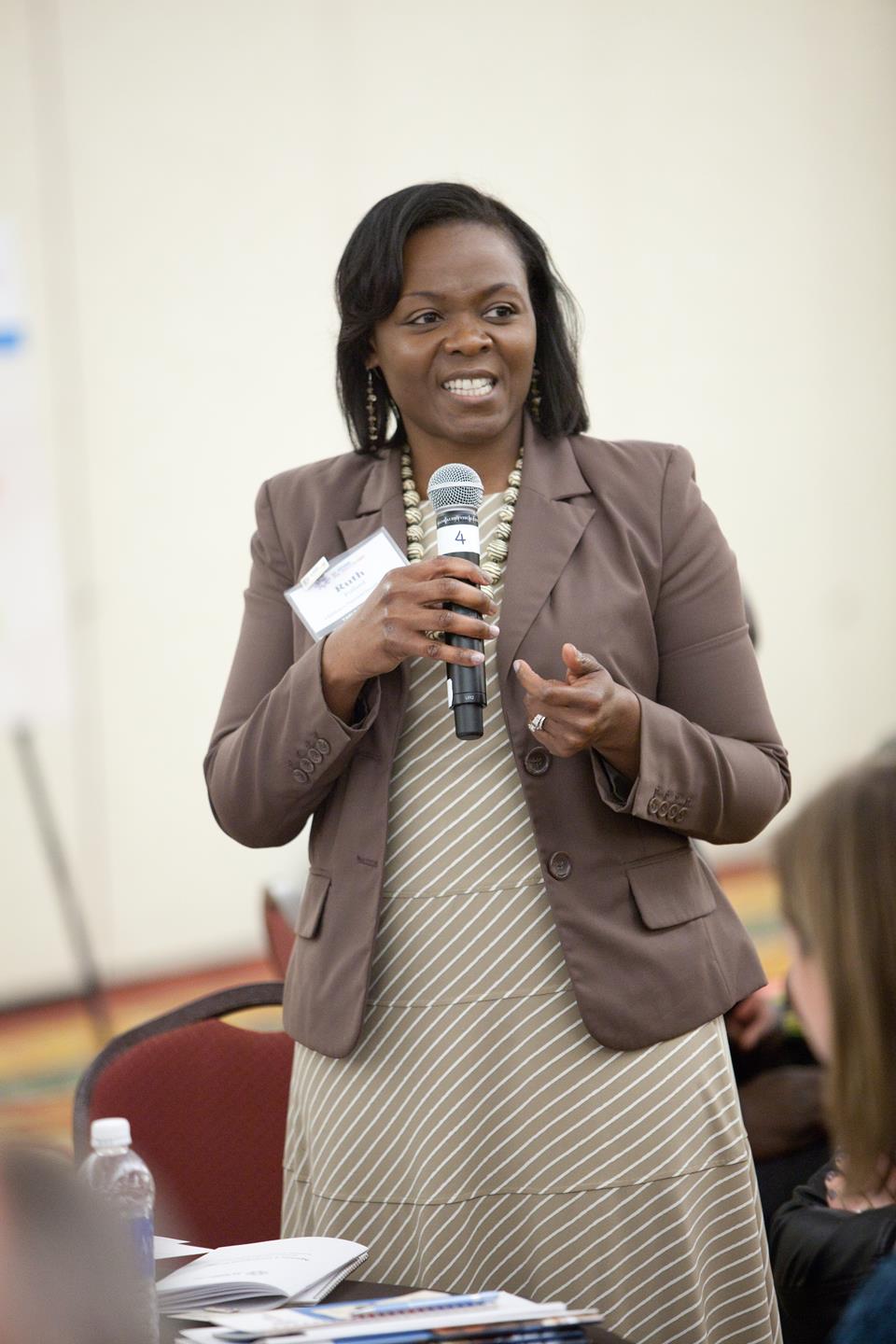
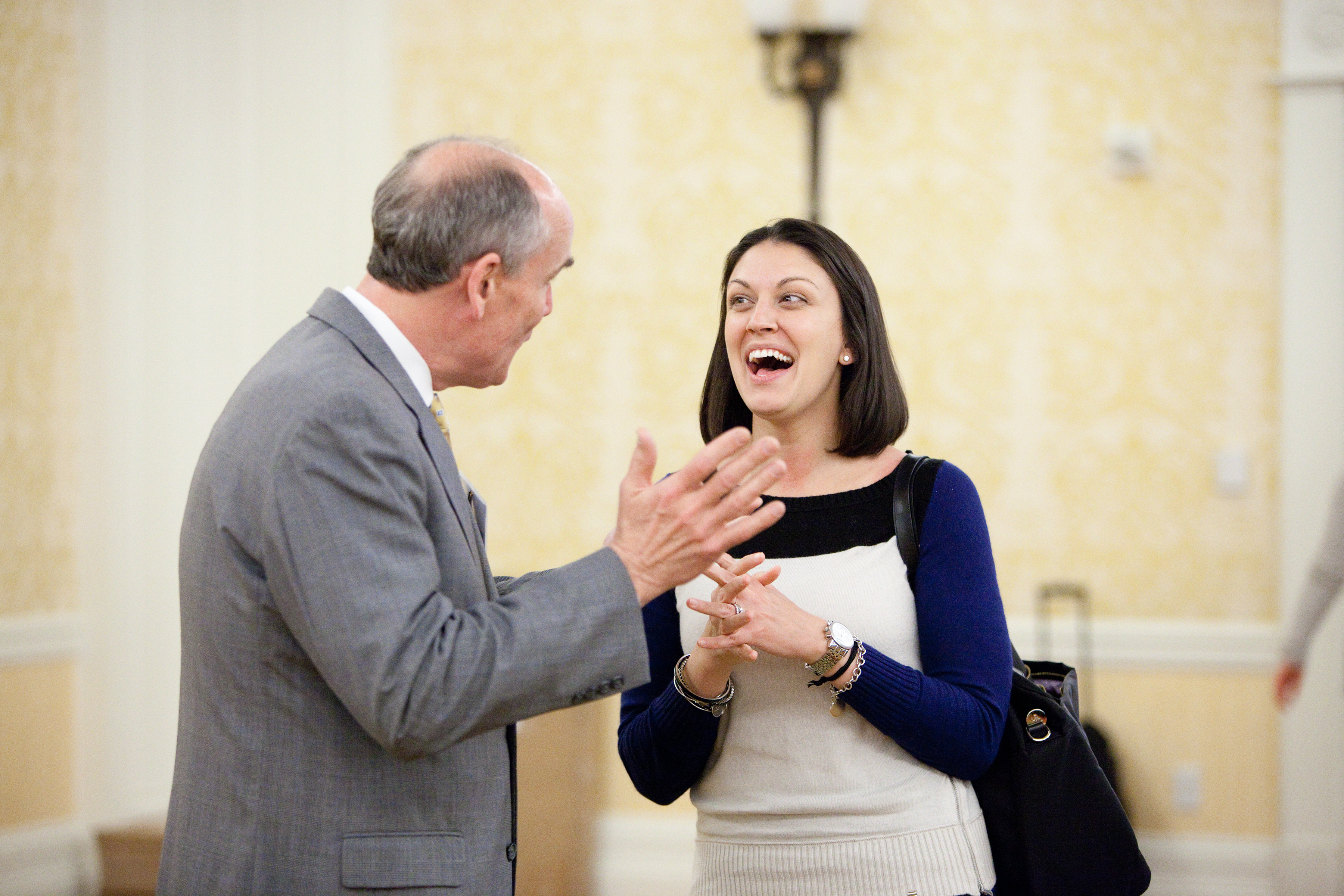
Atmosphere: candid conversations, crowd reactions, and the small details that give an event its character
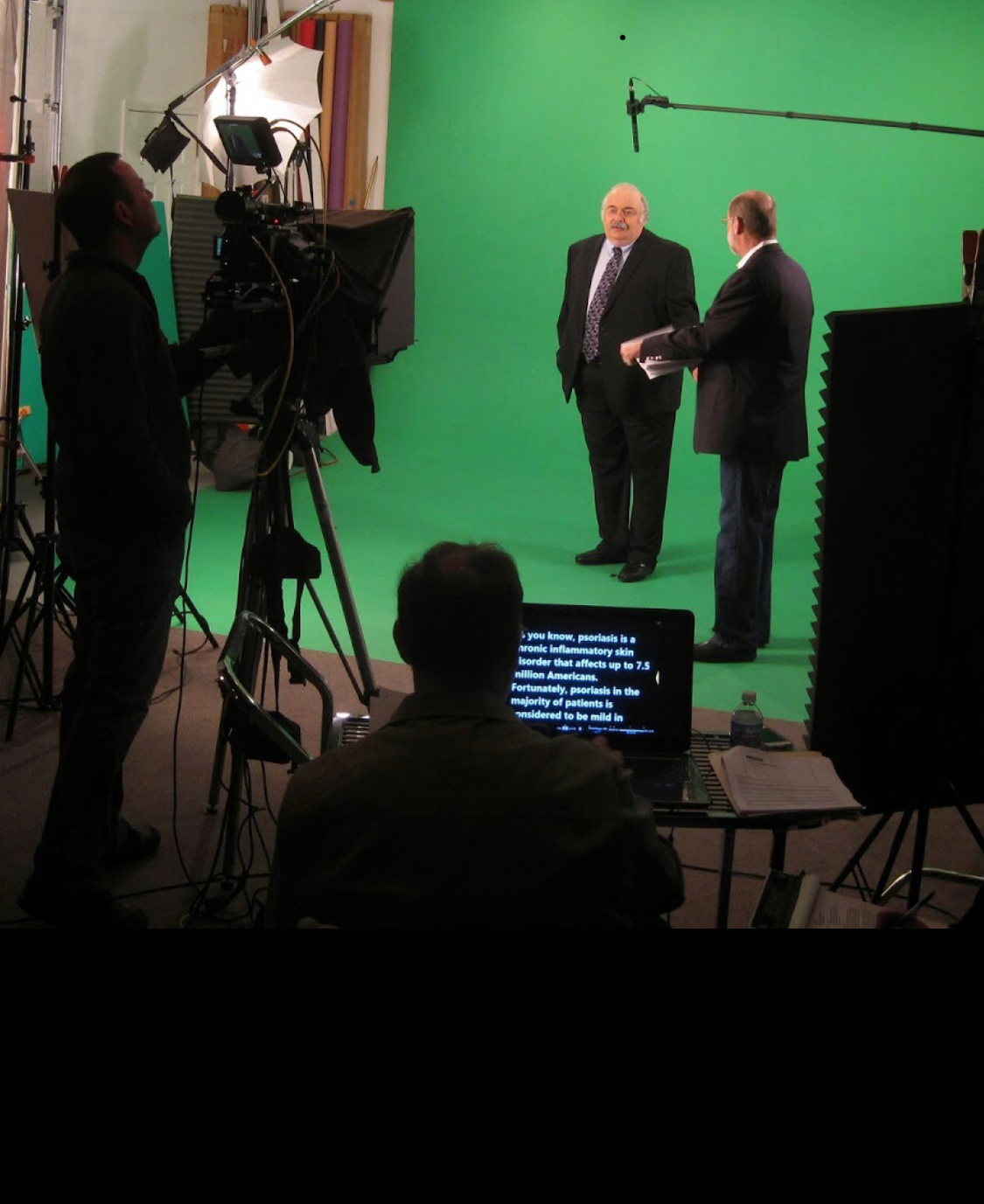
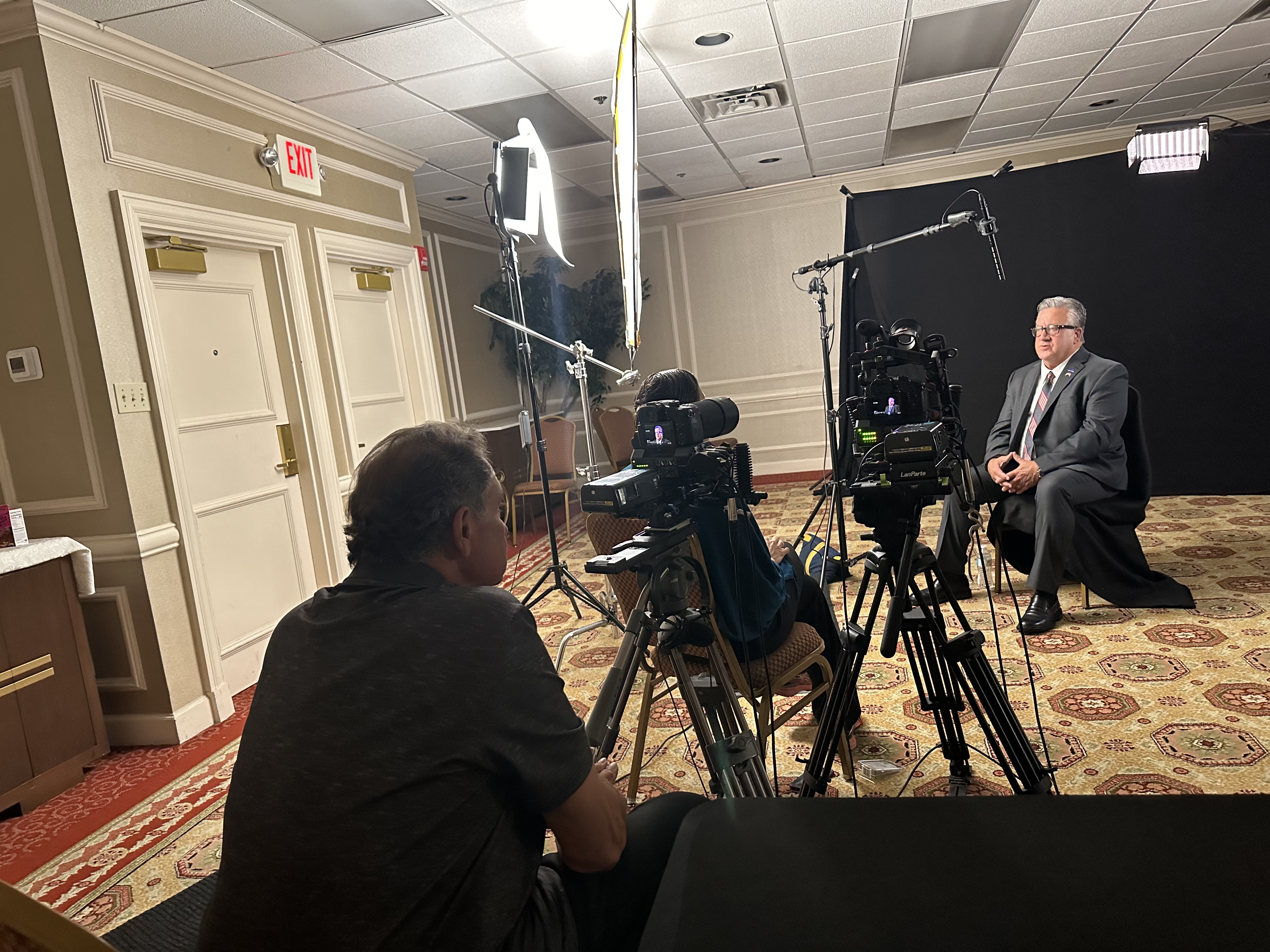
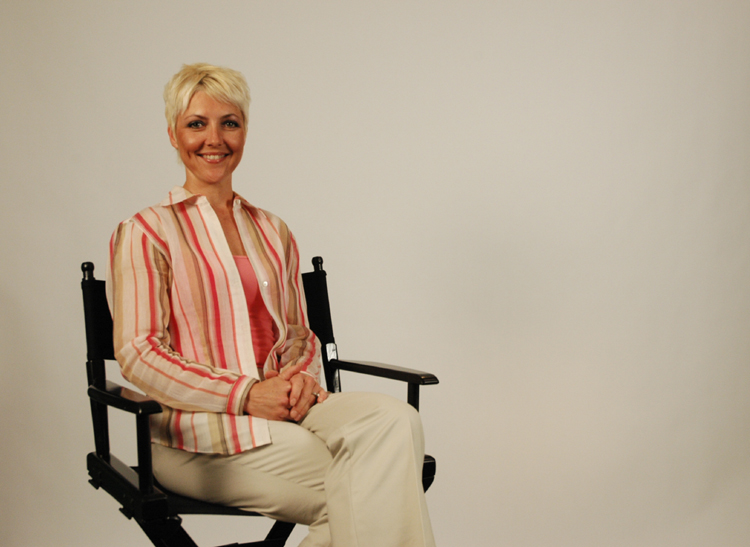
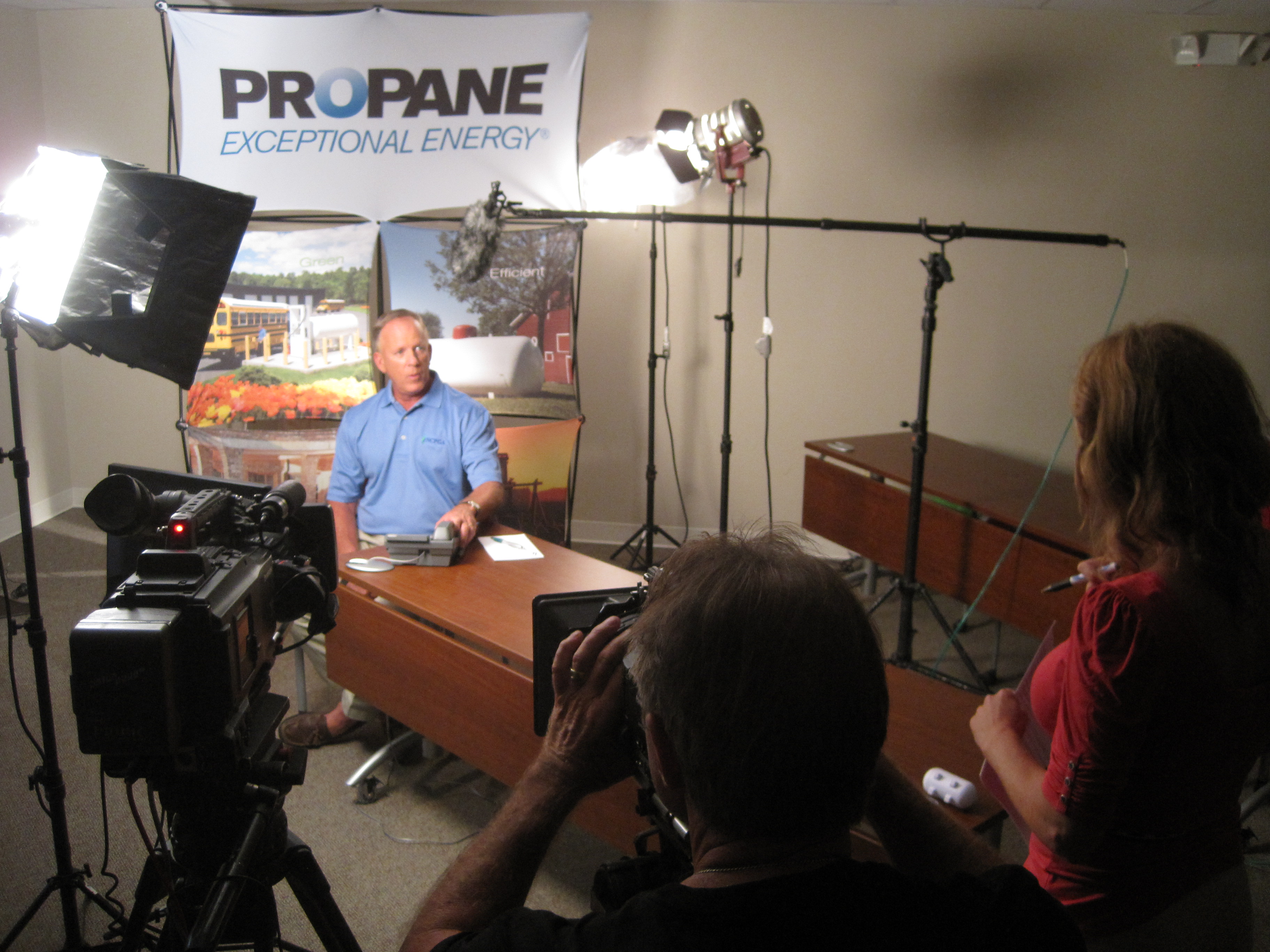
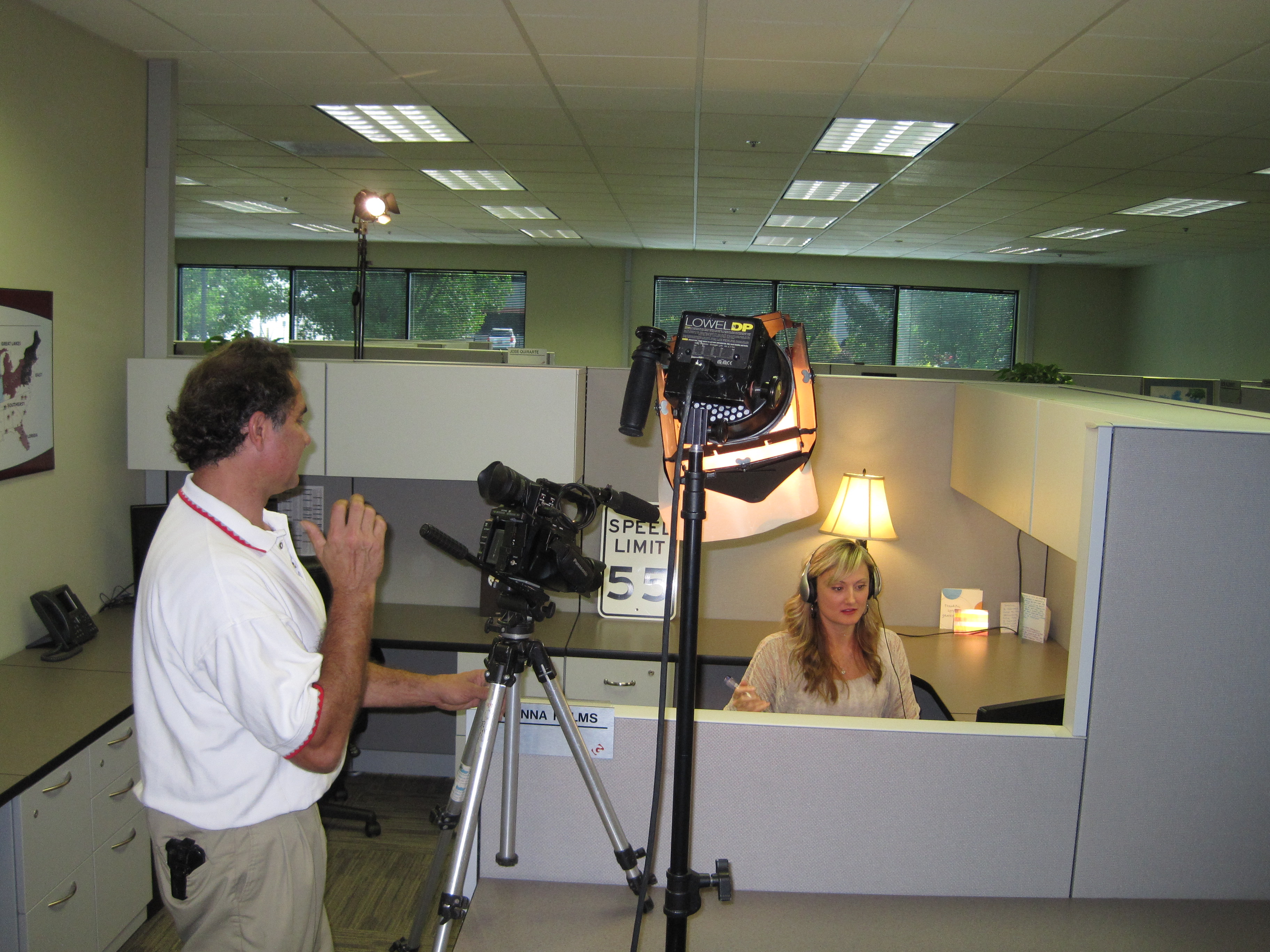
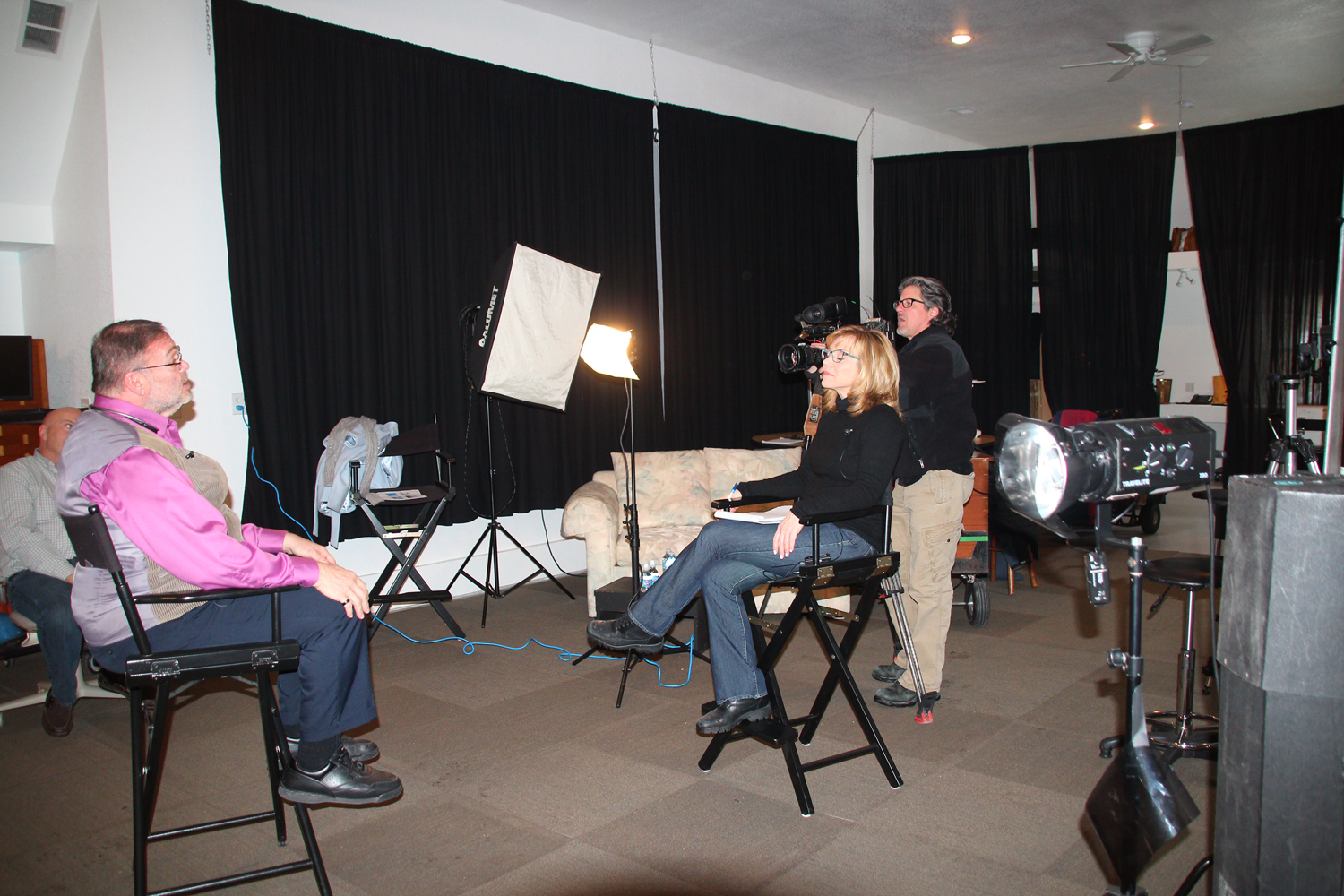
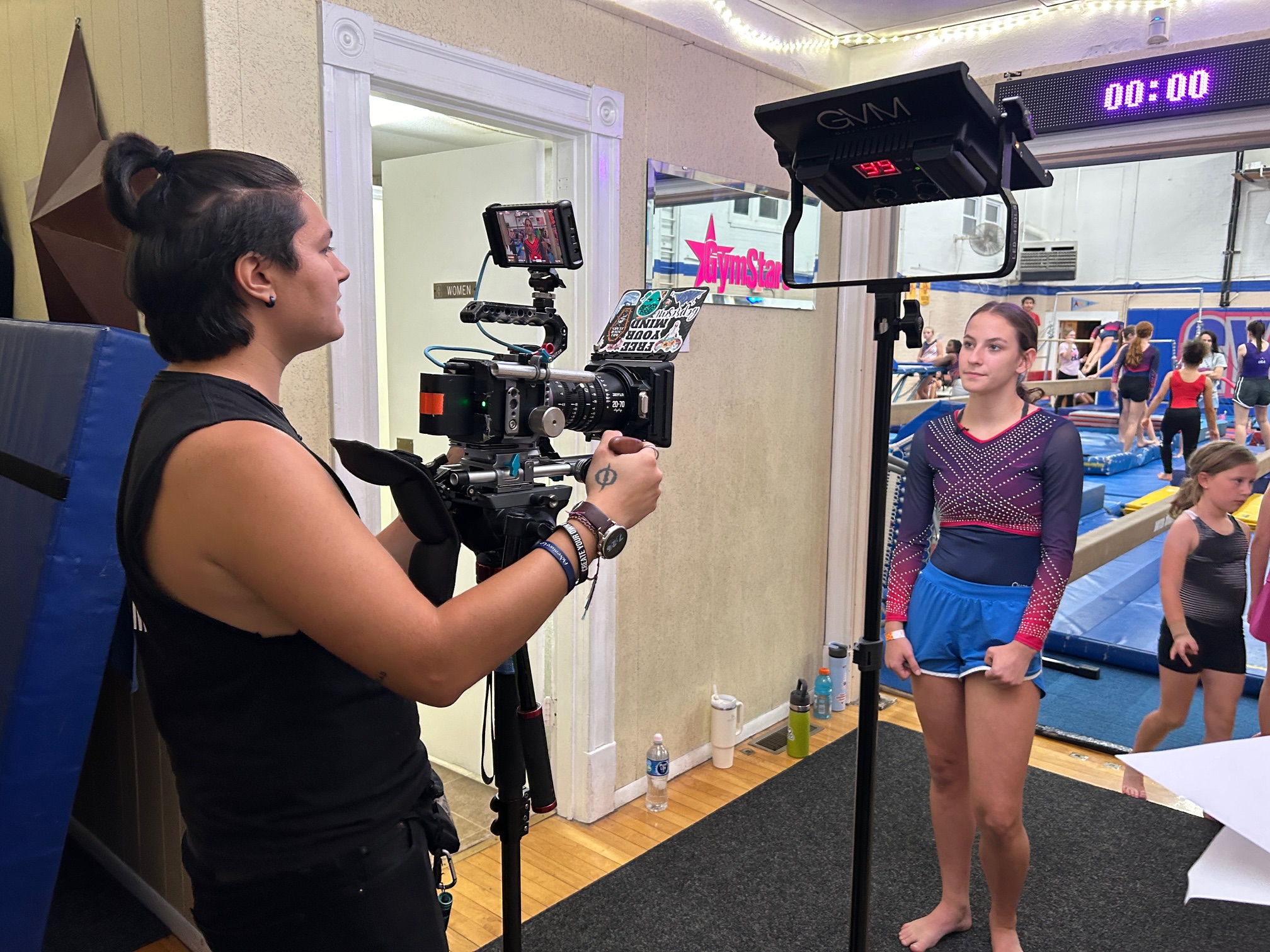
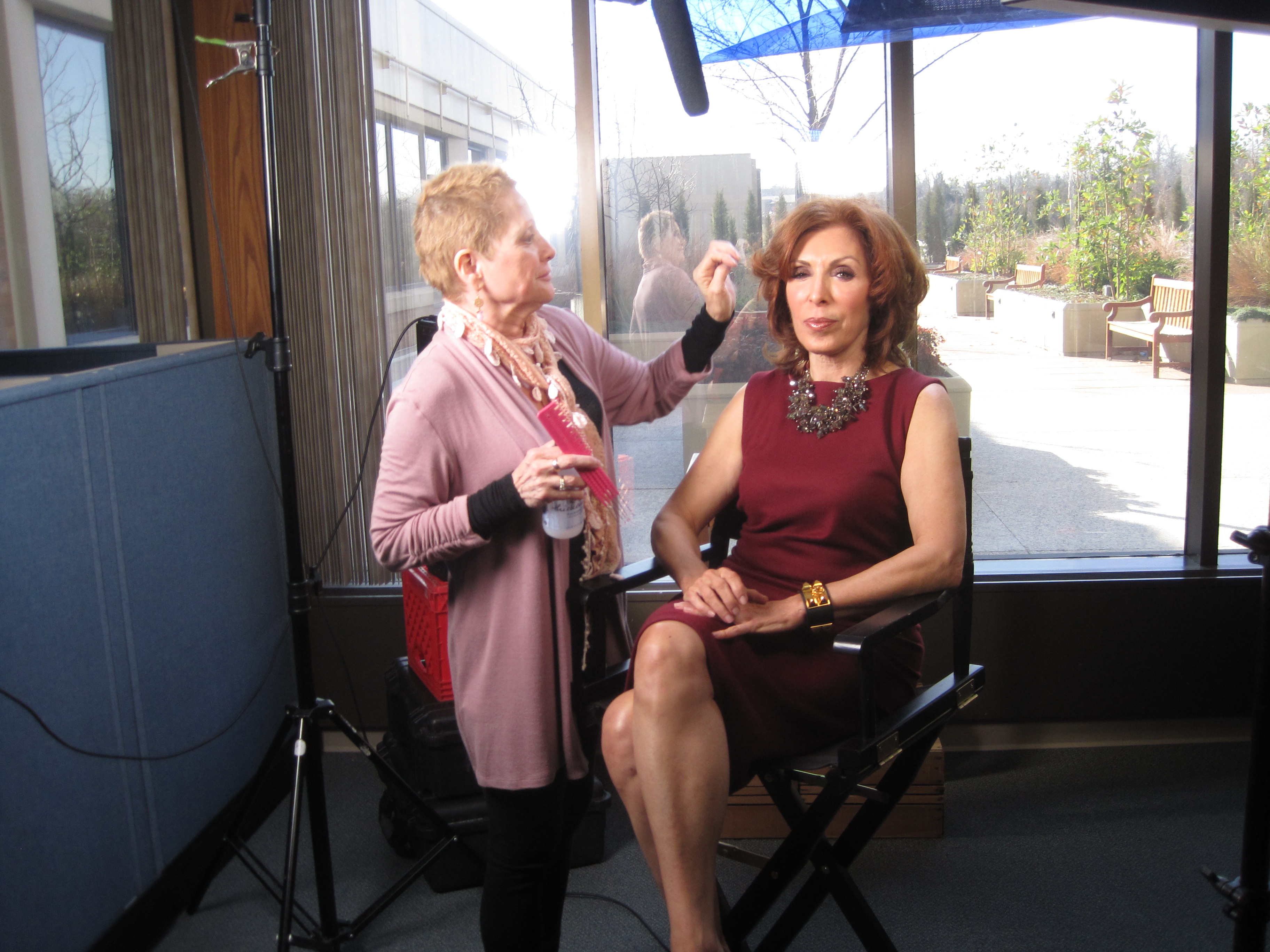
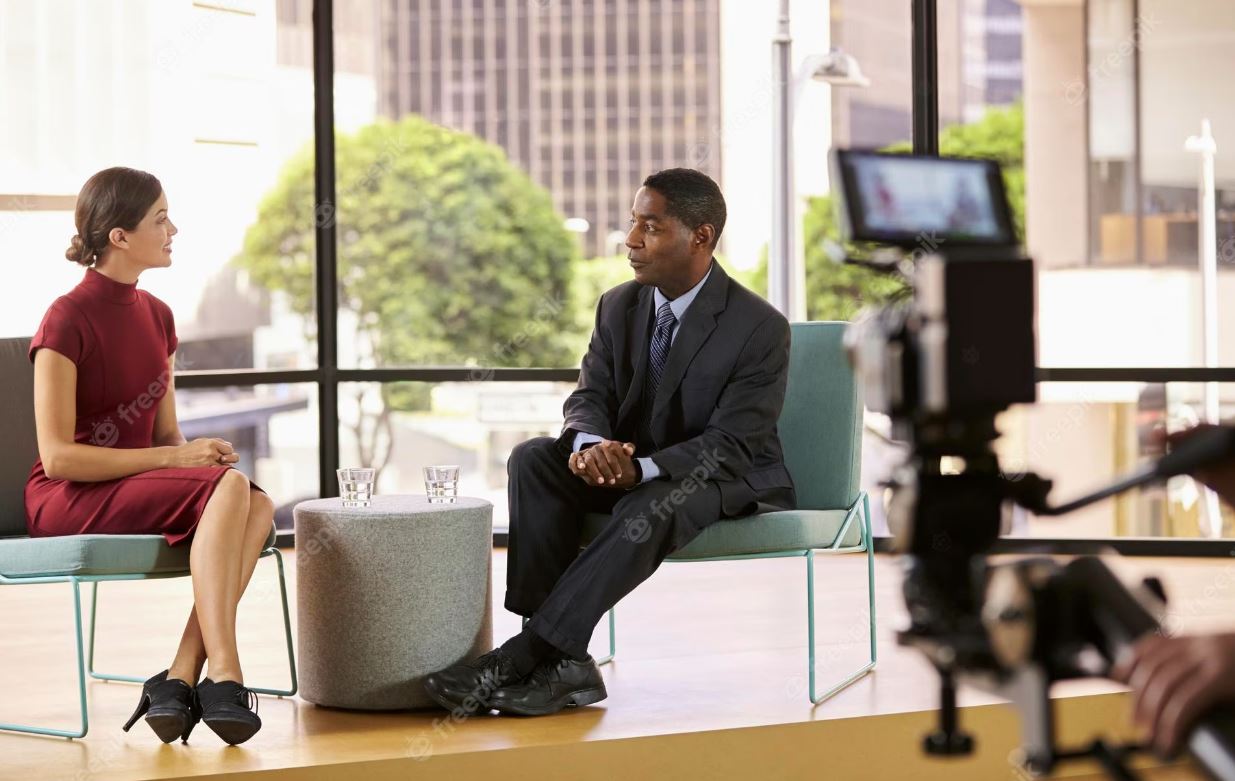
Consider adding a portrait or interview station
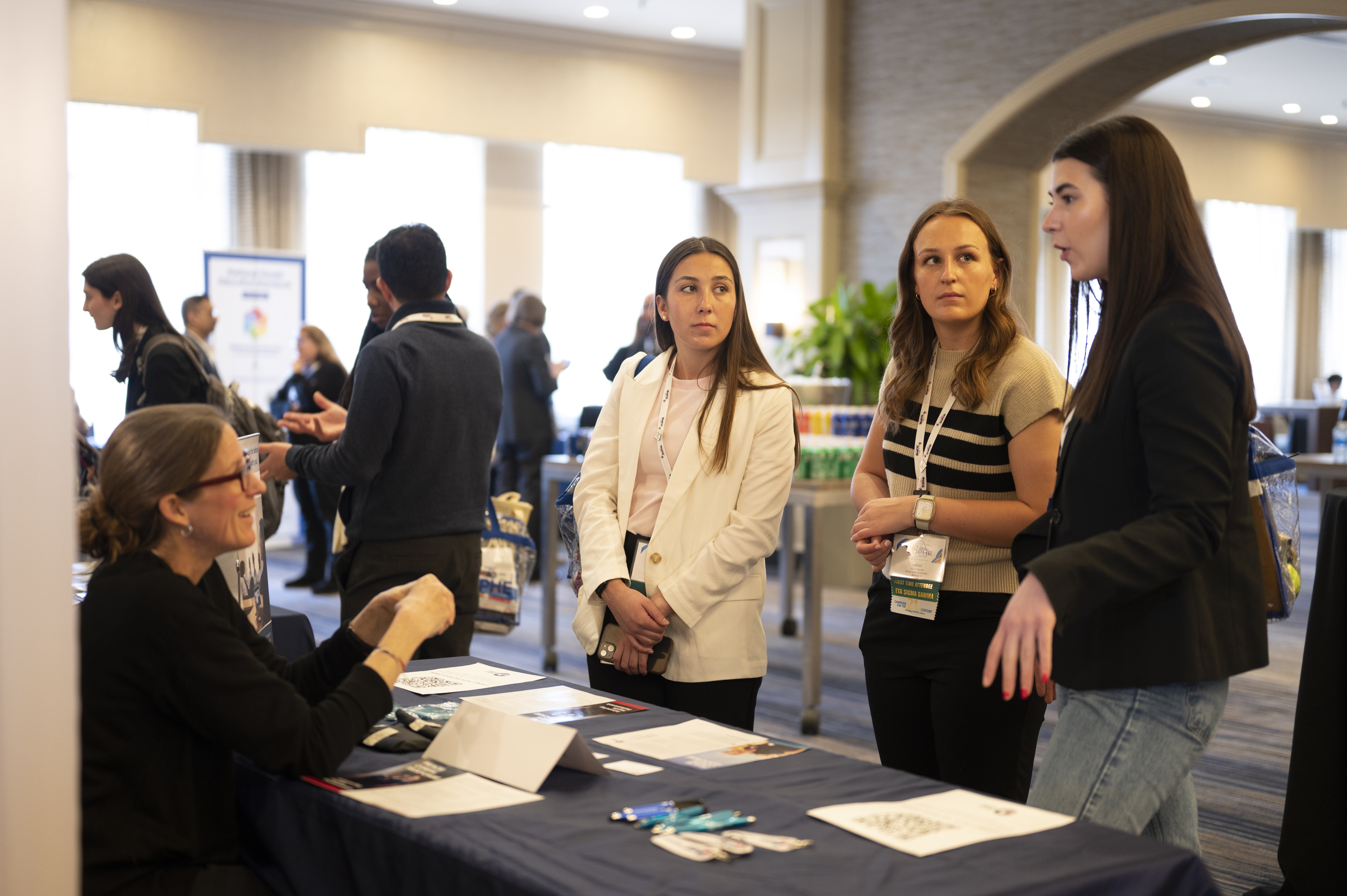
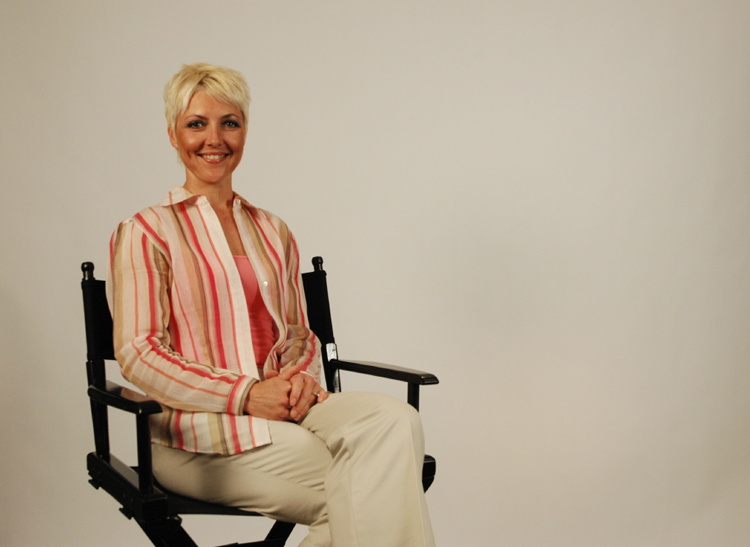
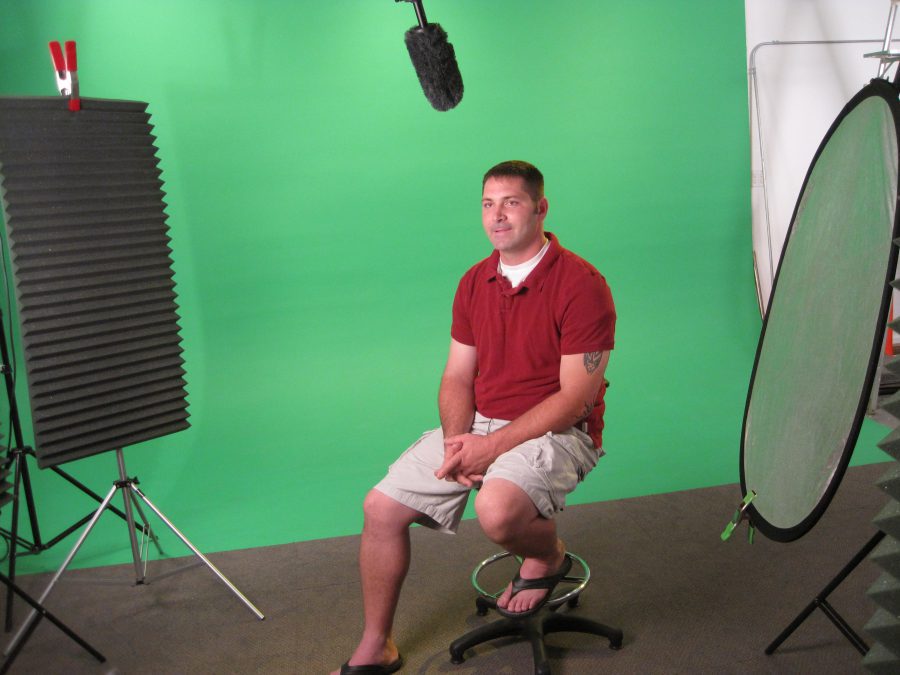
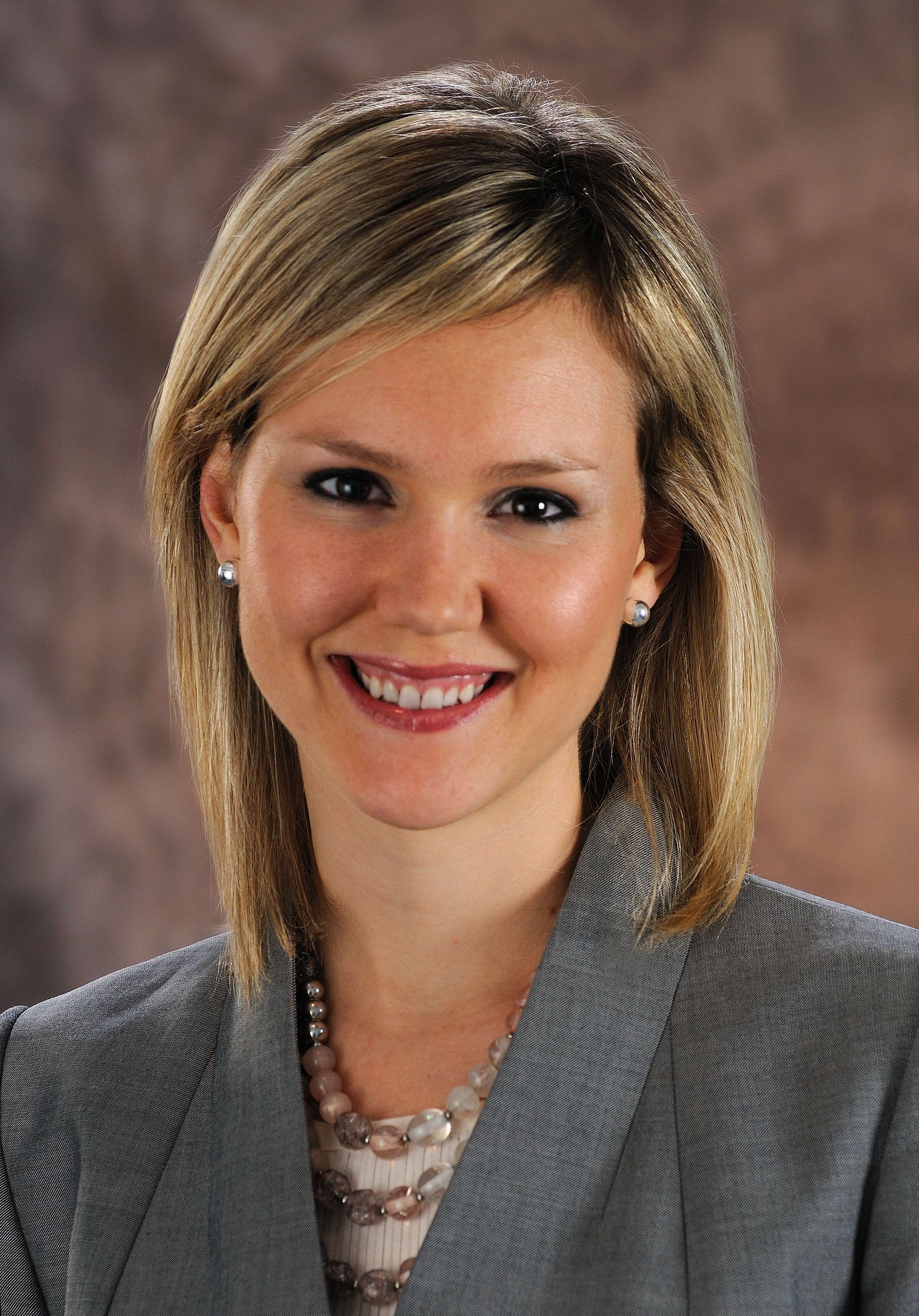
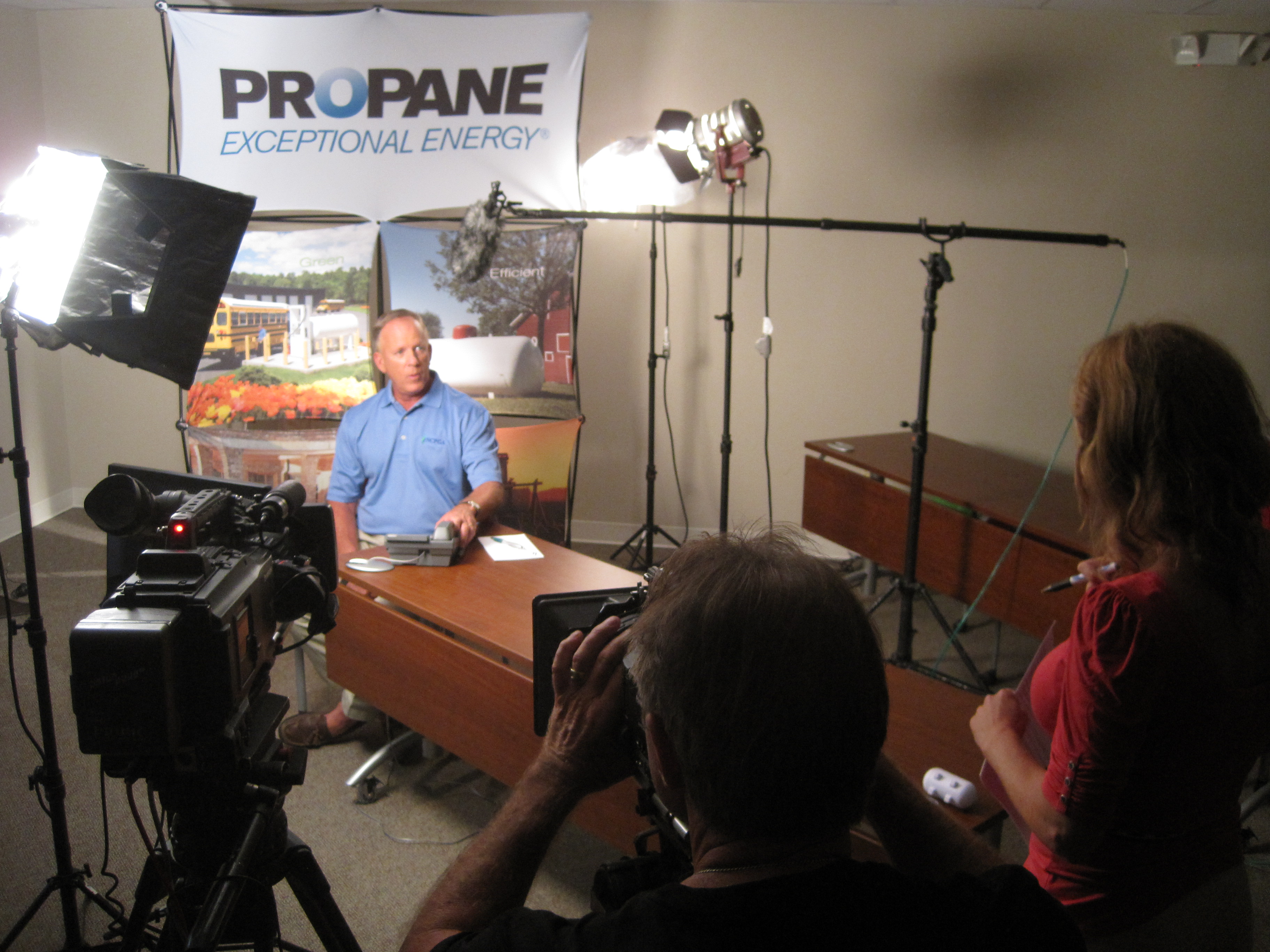
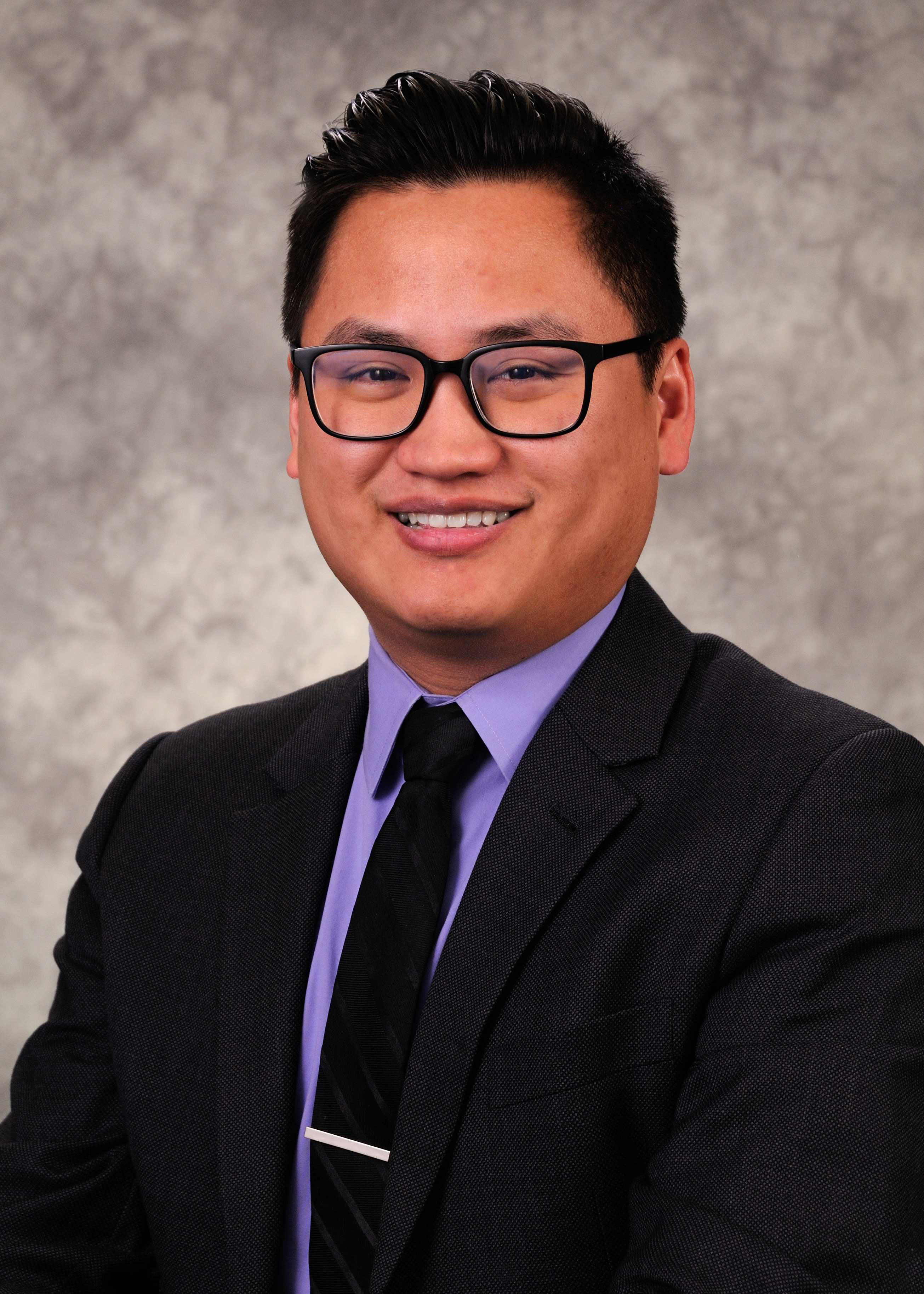
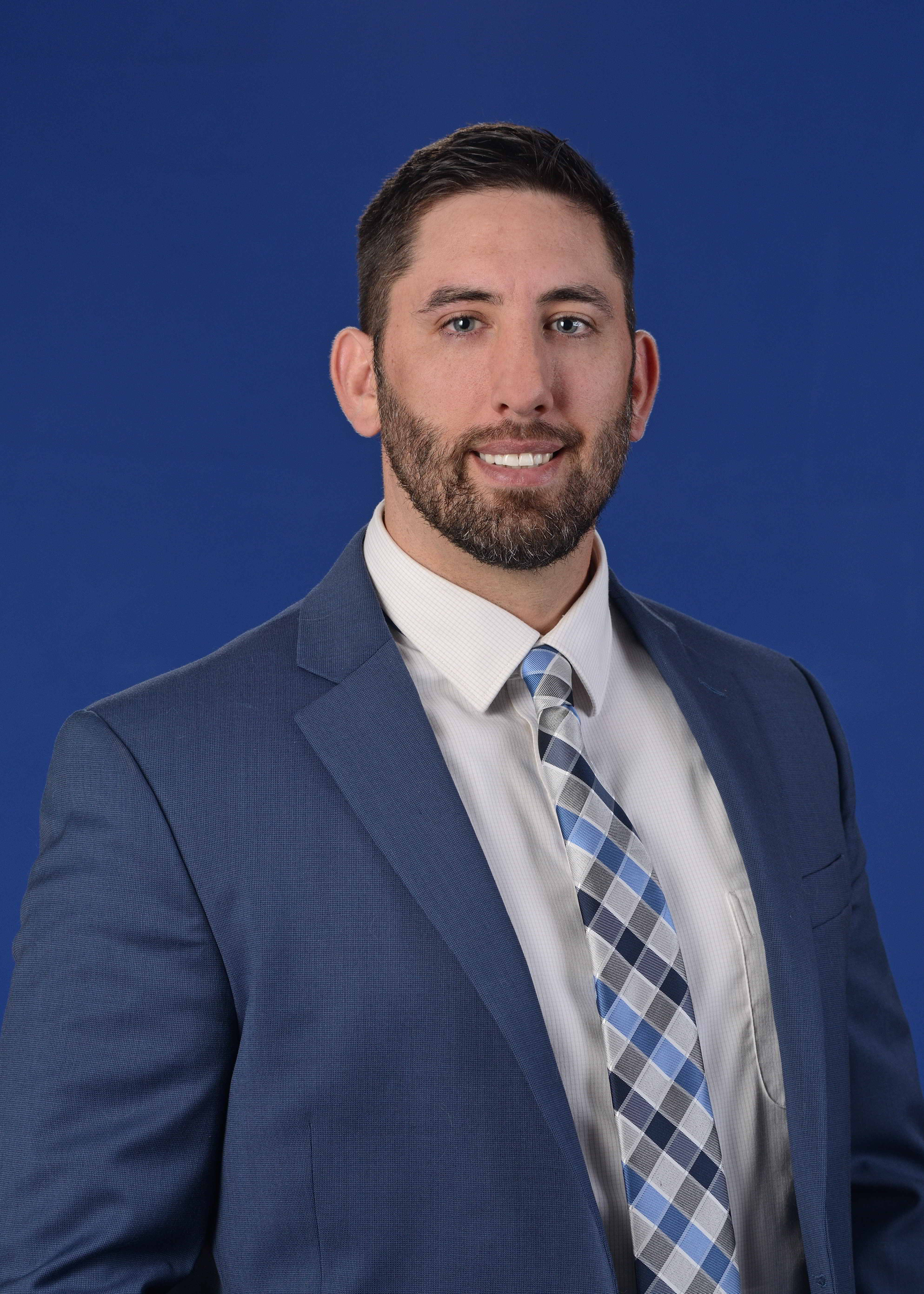
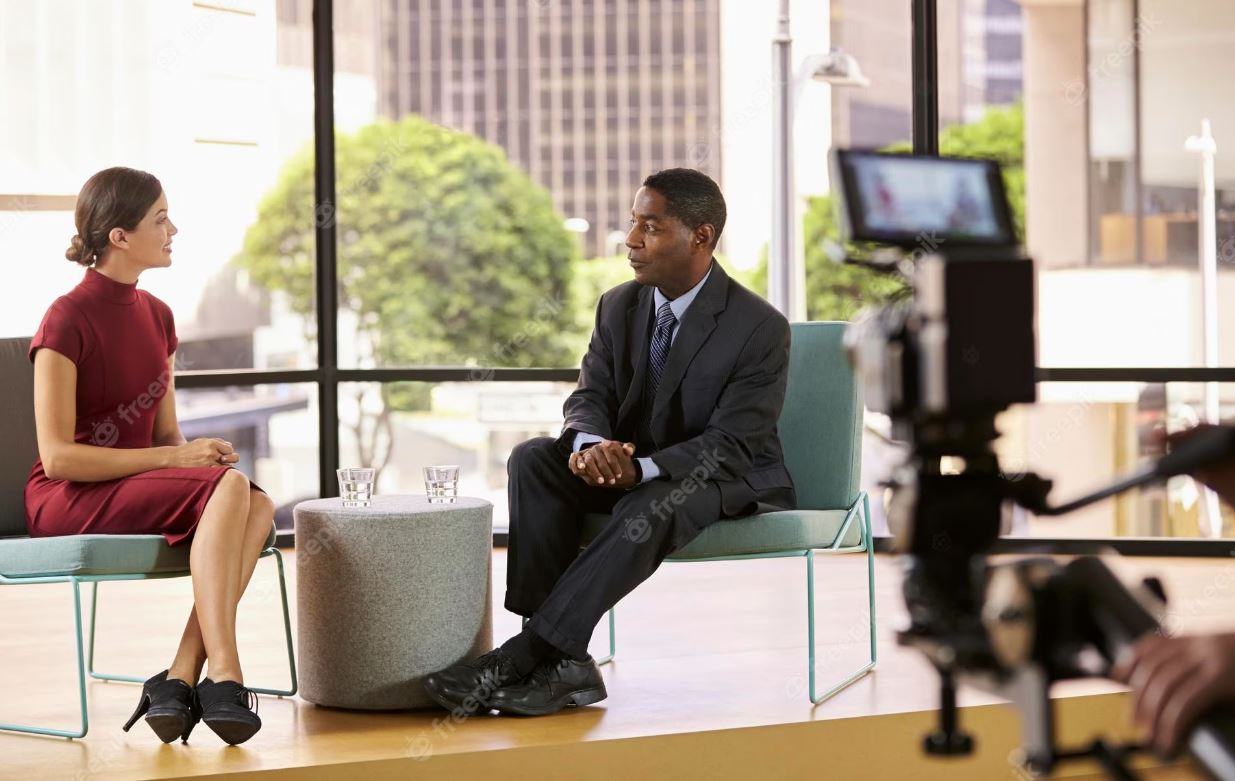
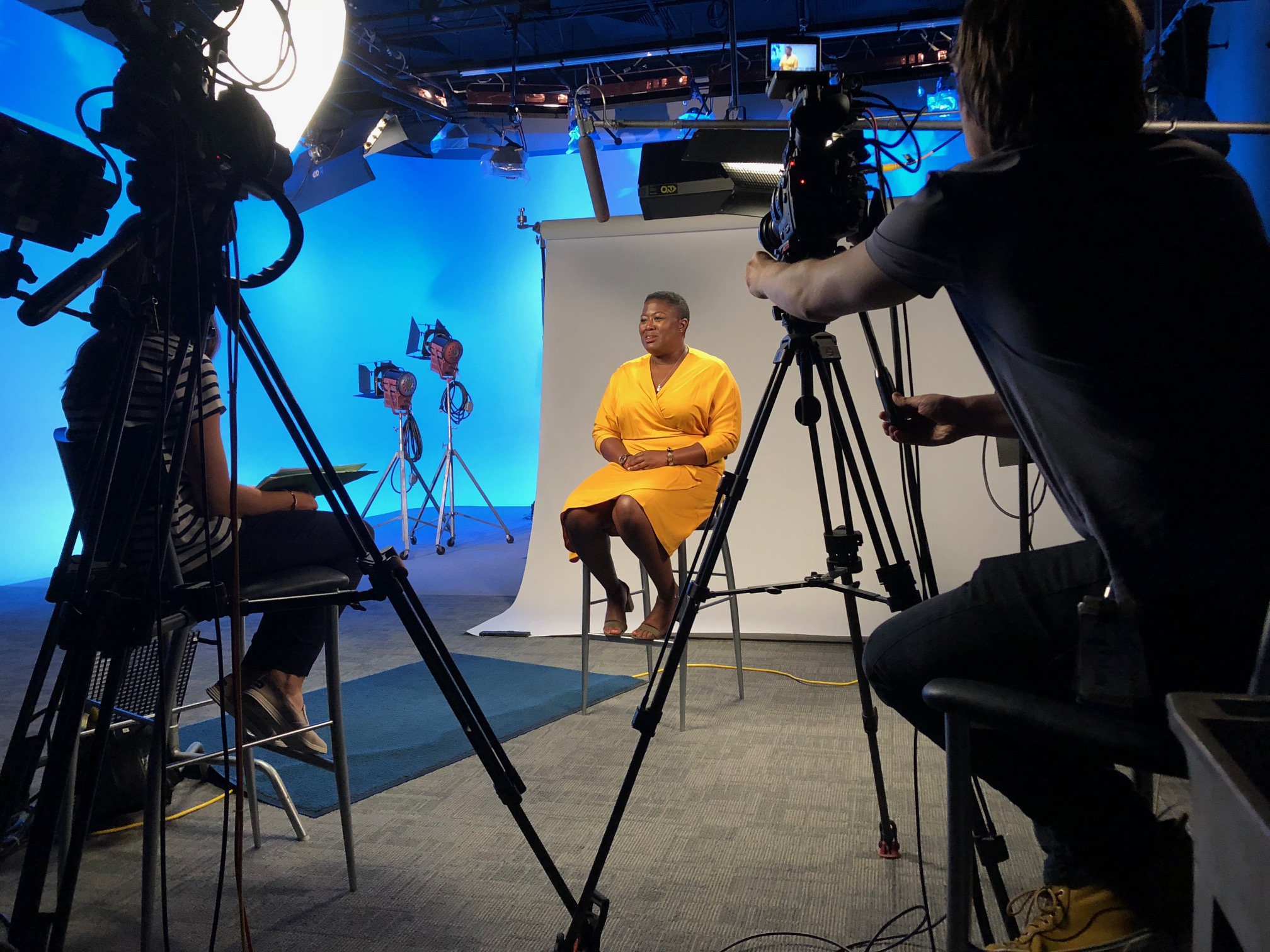
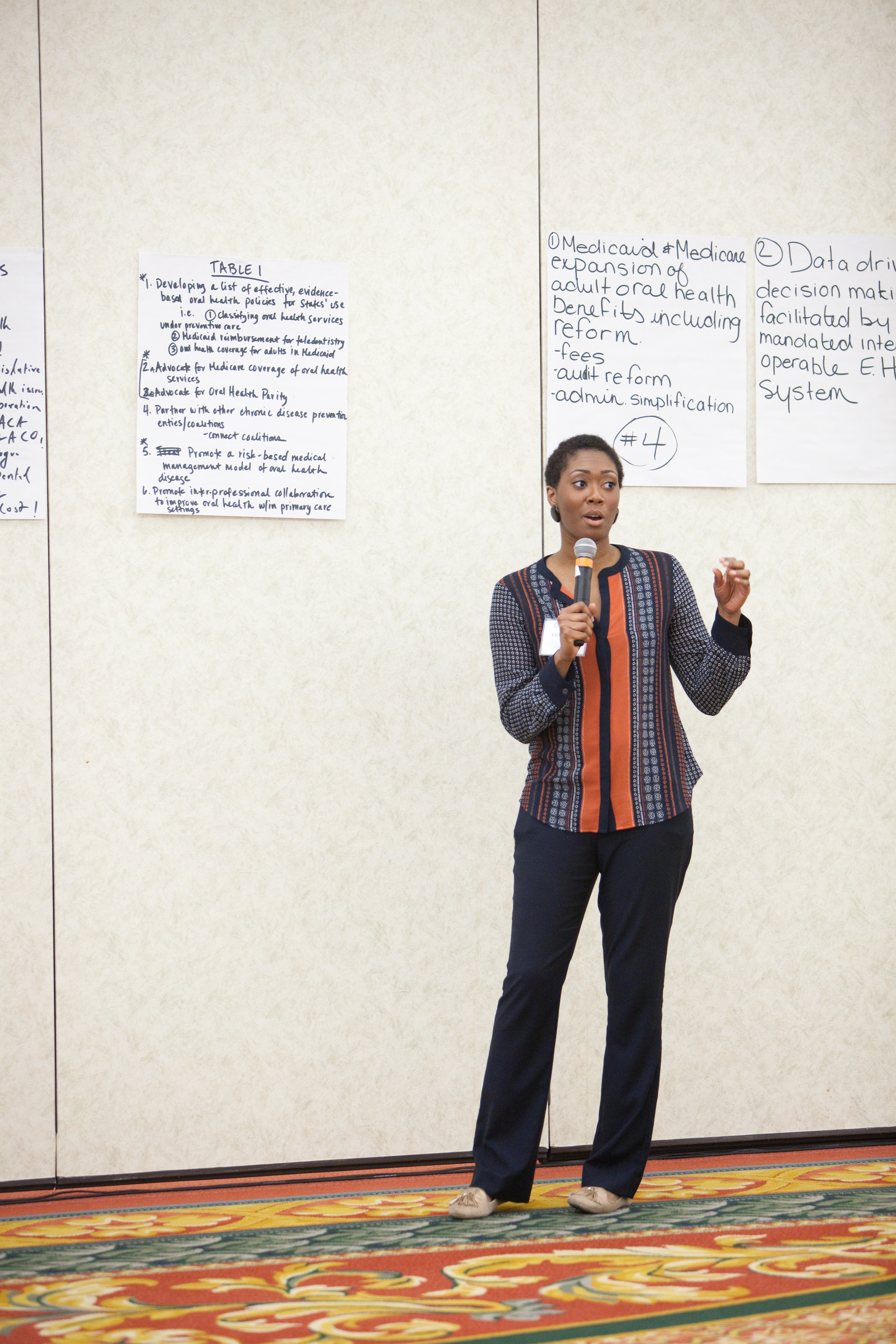
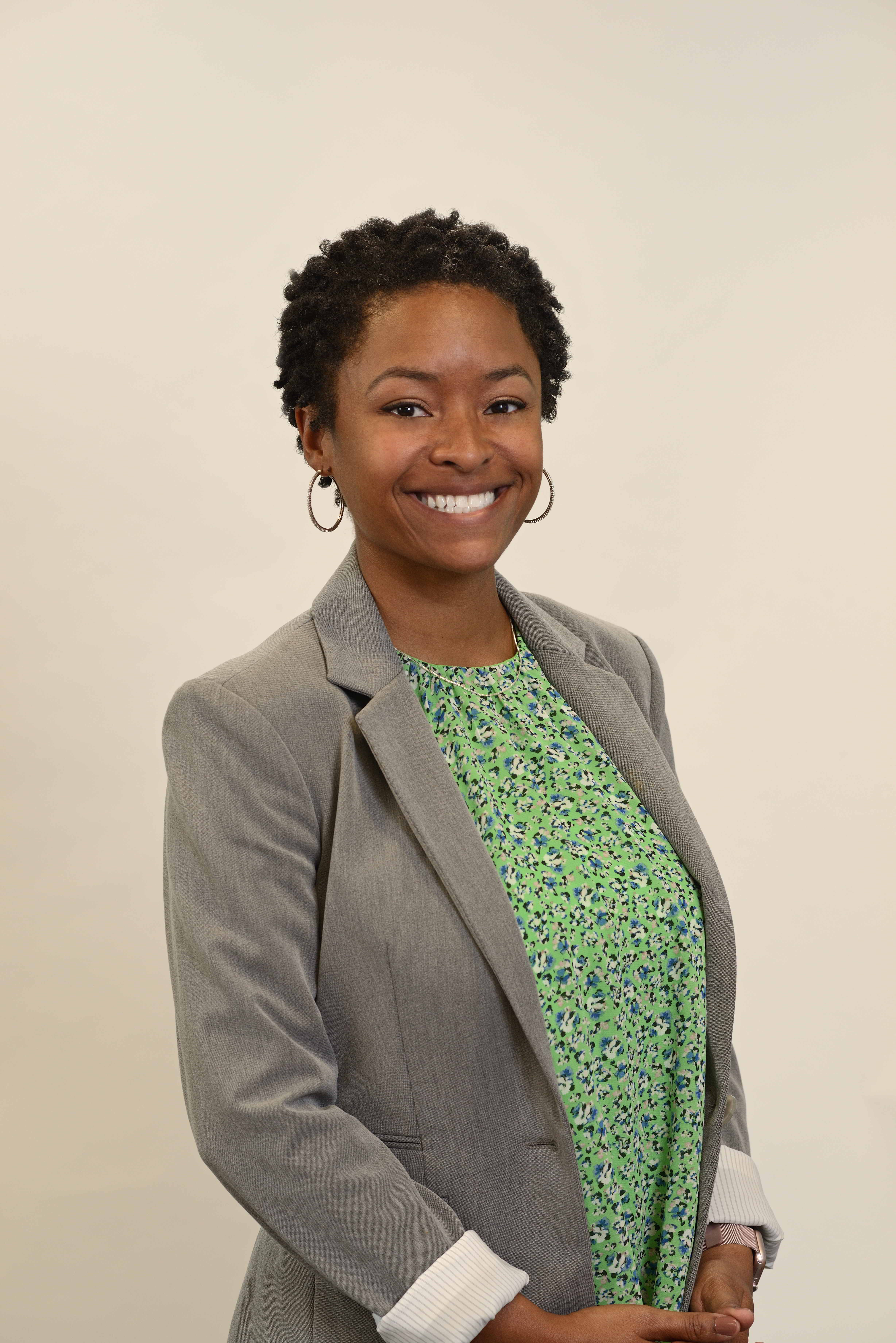
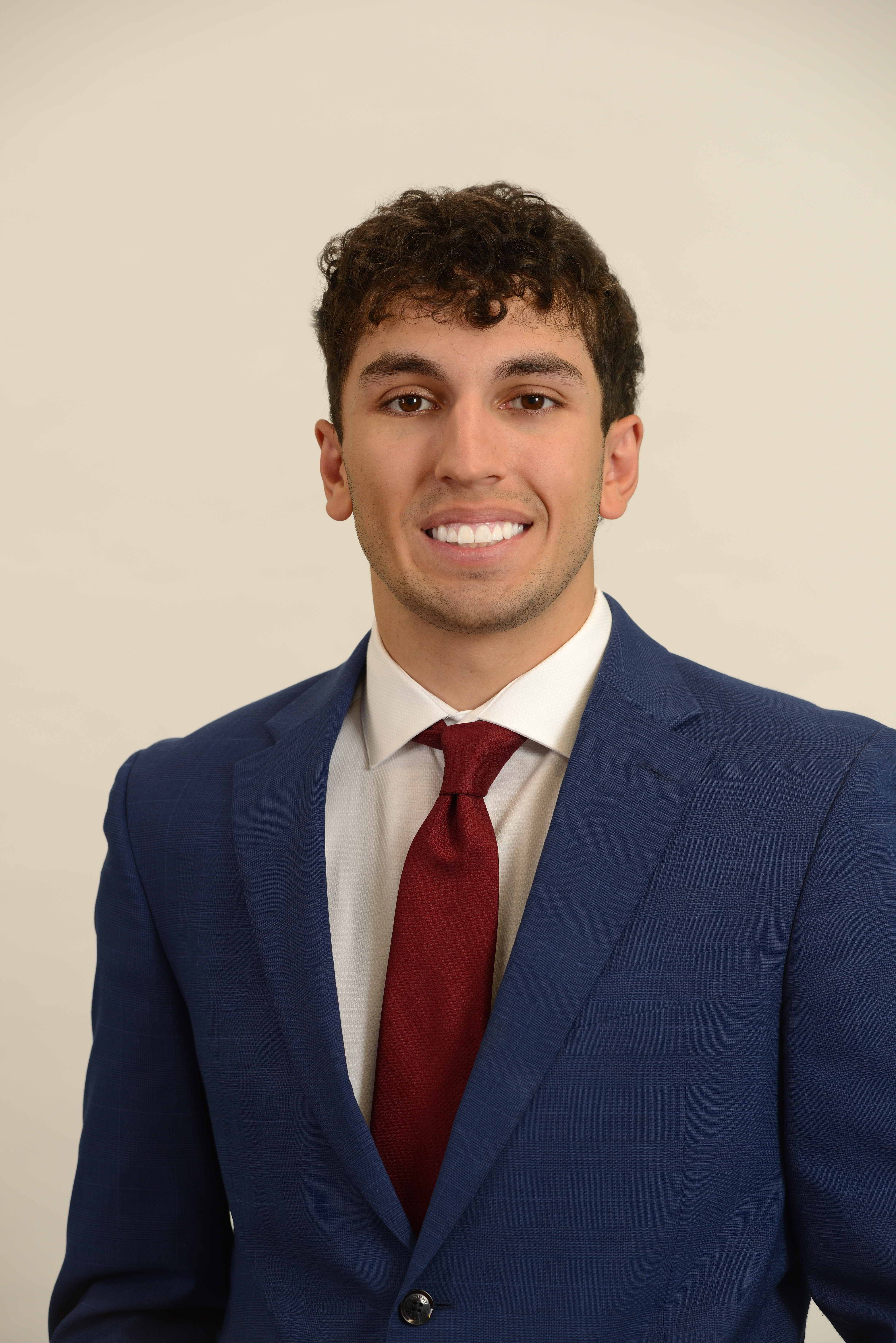
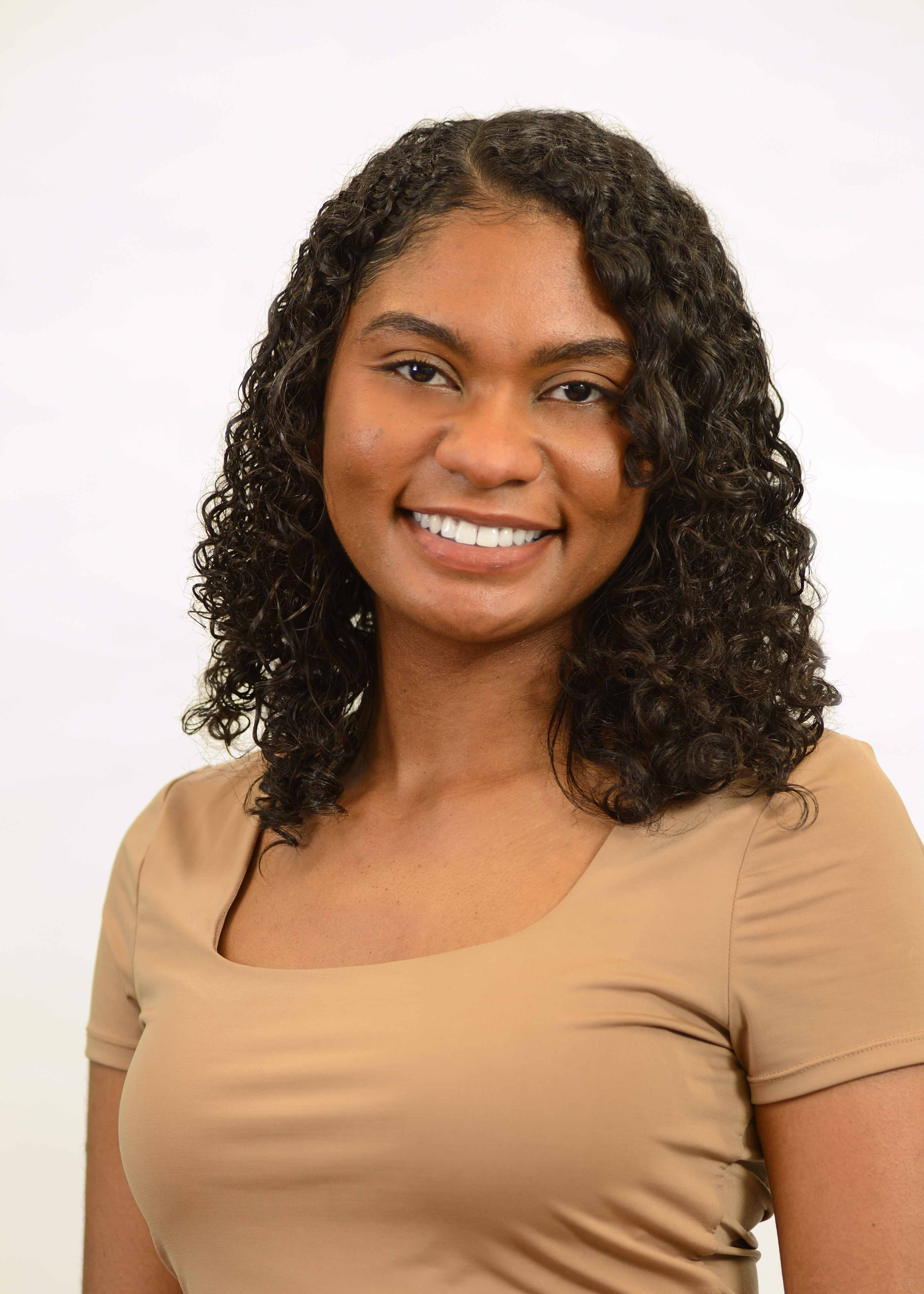
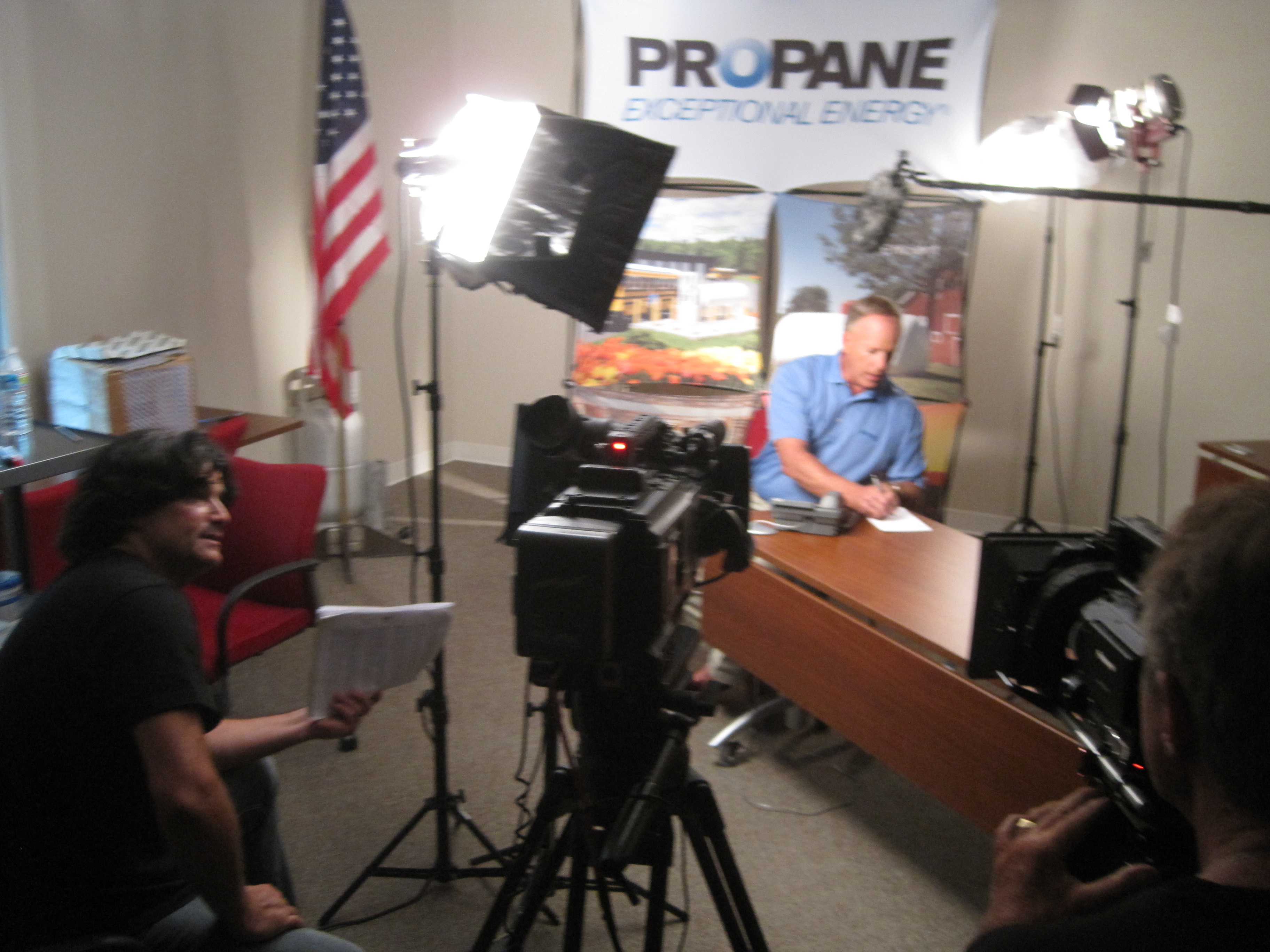
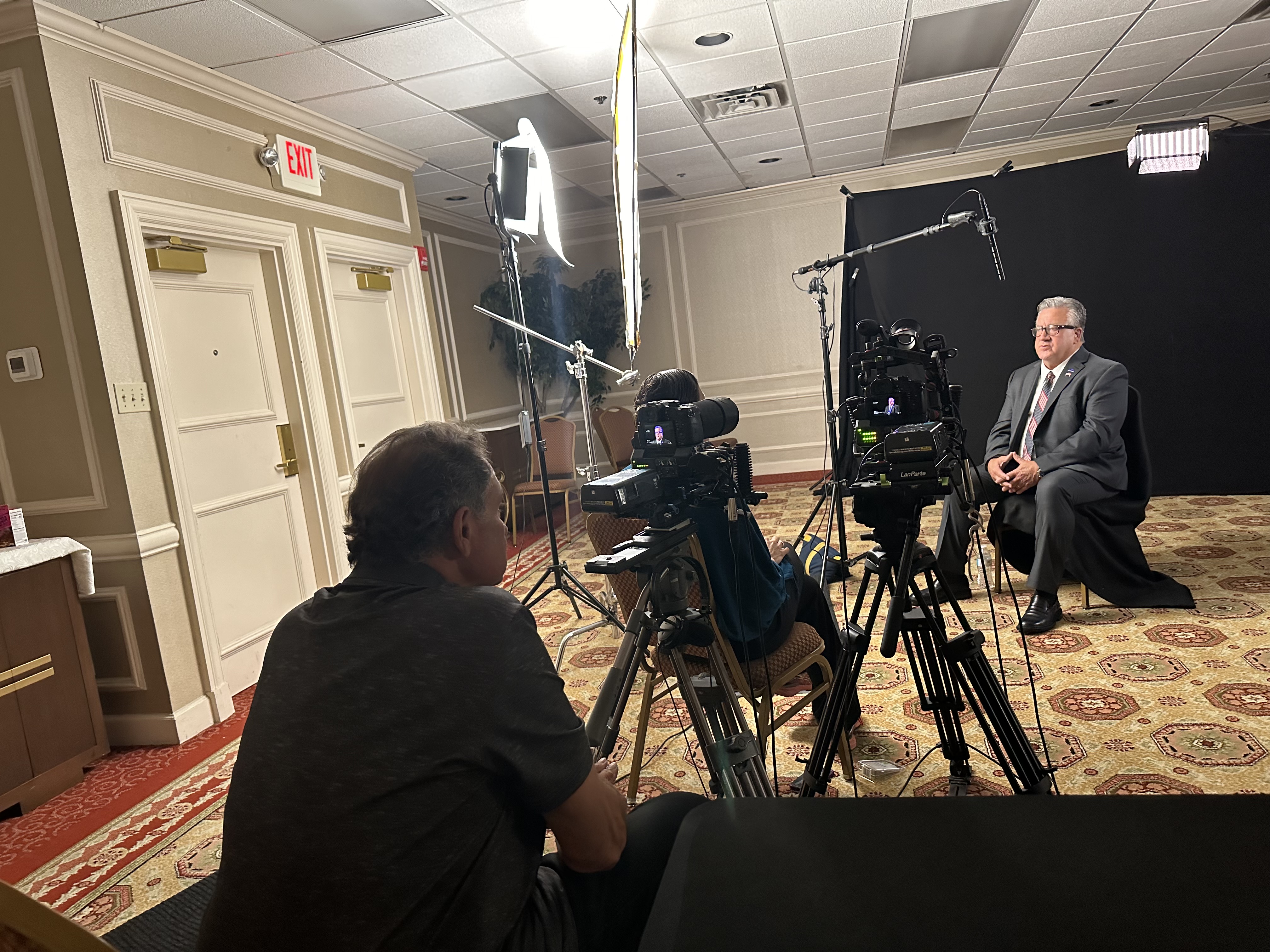
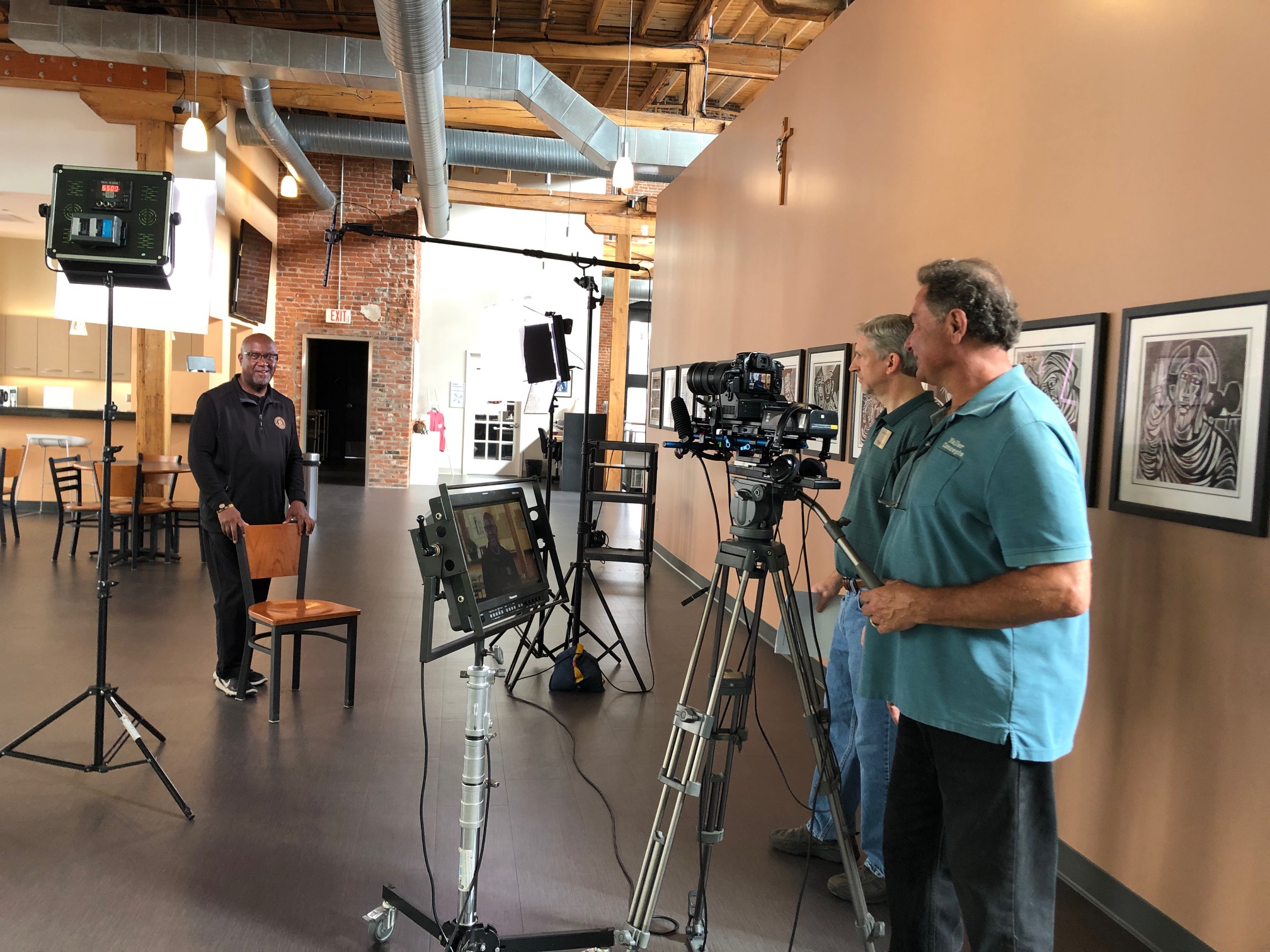
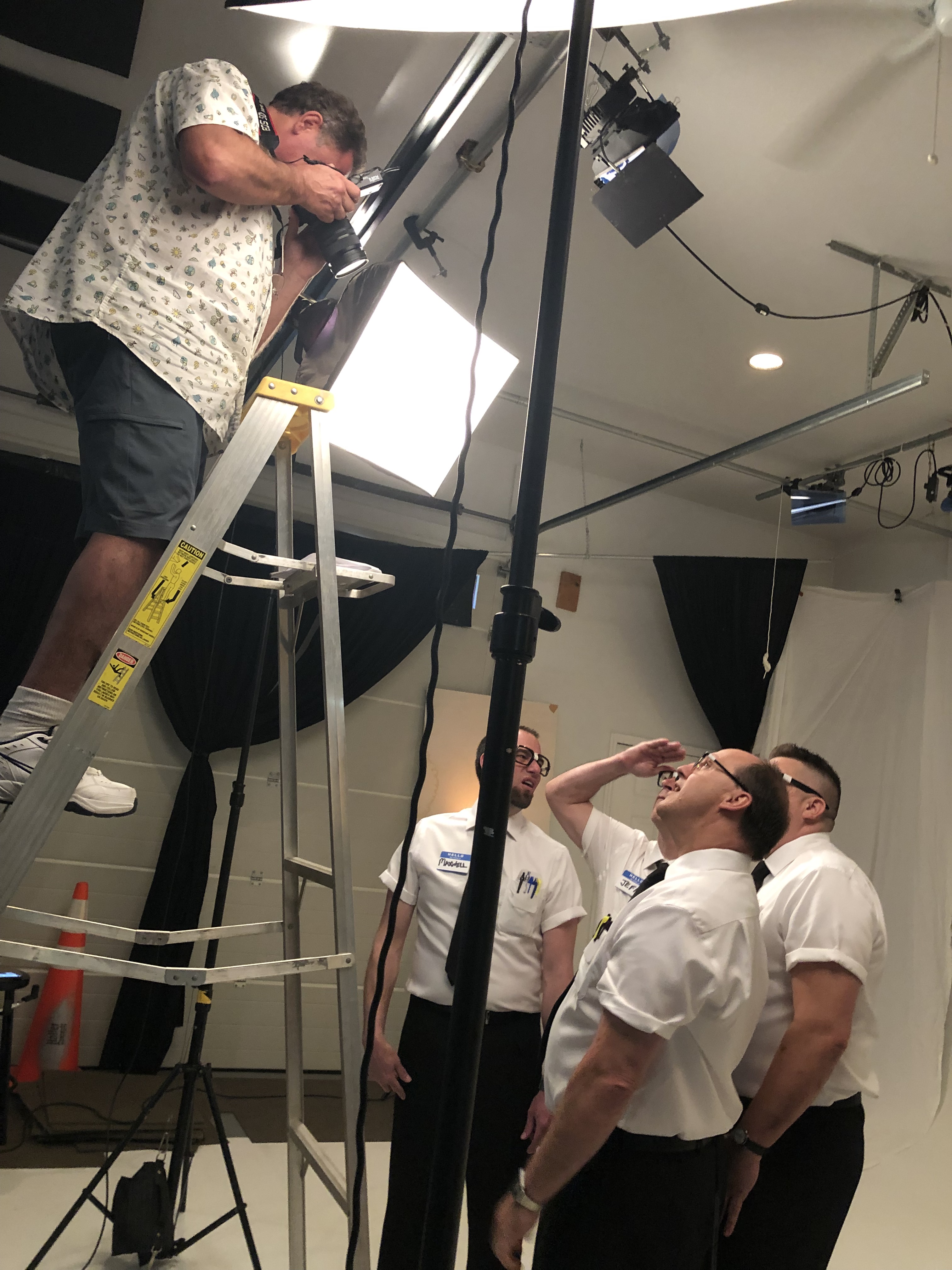
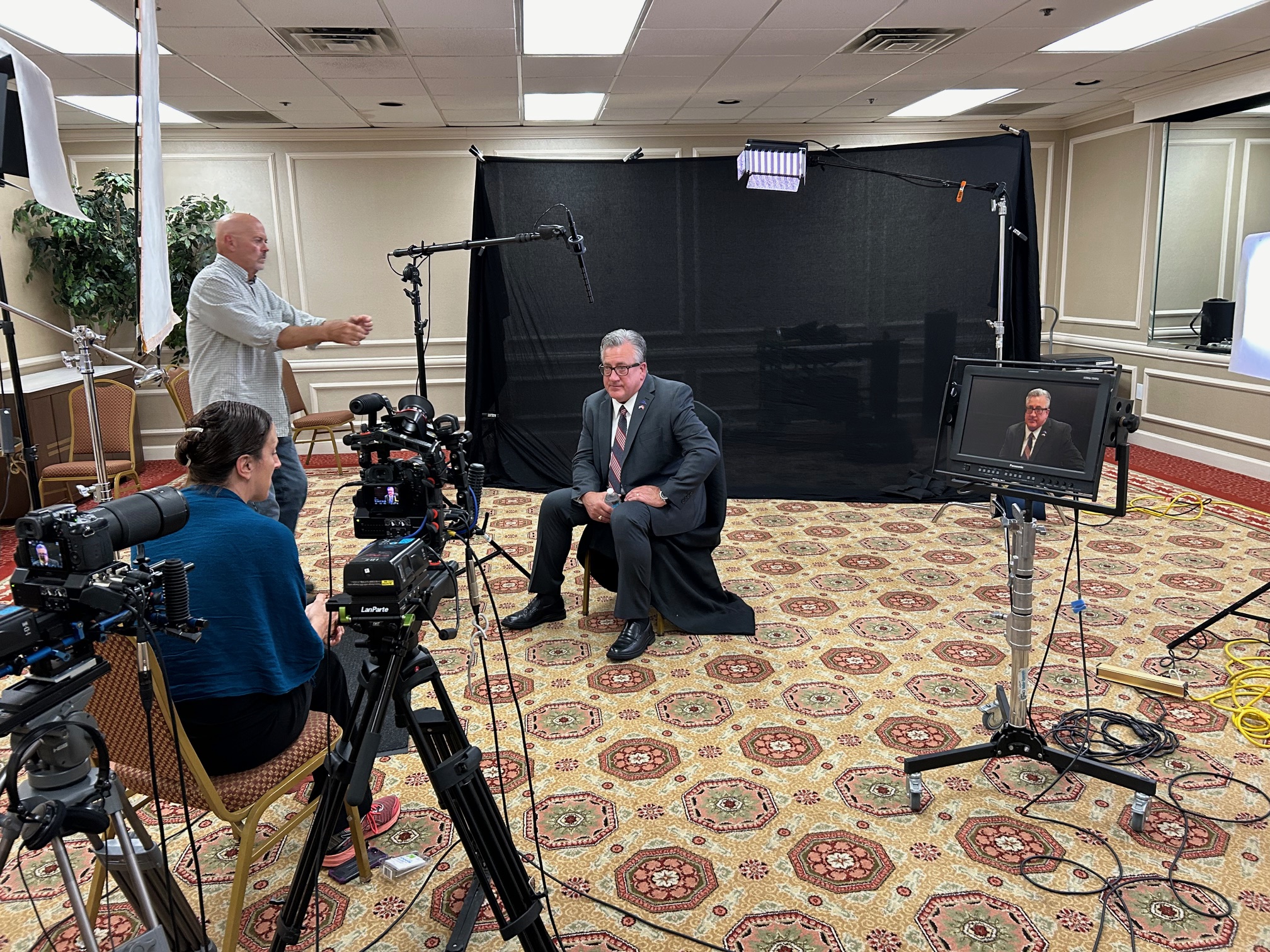
Events gather your most important people in one place. A quiet corner with controlled lighting and a clean backdrop lets you capture executive portraits, speaker headshots, and short on-camera testimonials while everyone is already there. These are often the most reusable assets from the entire event, because they stay current on websites, speaker pages, and press materials for a long time.
Scout the venue
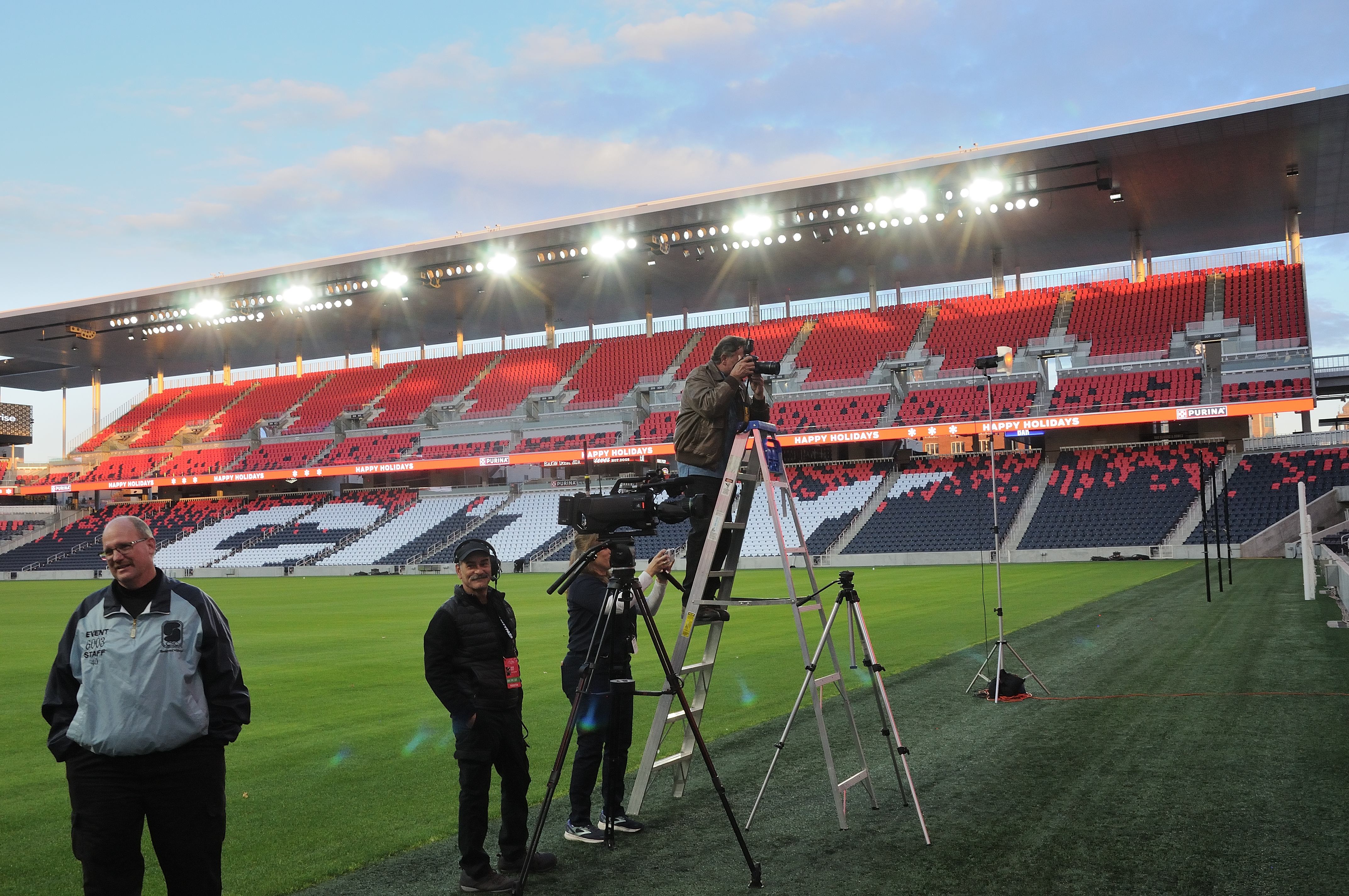
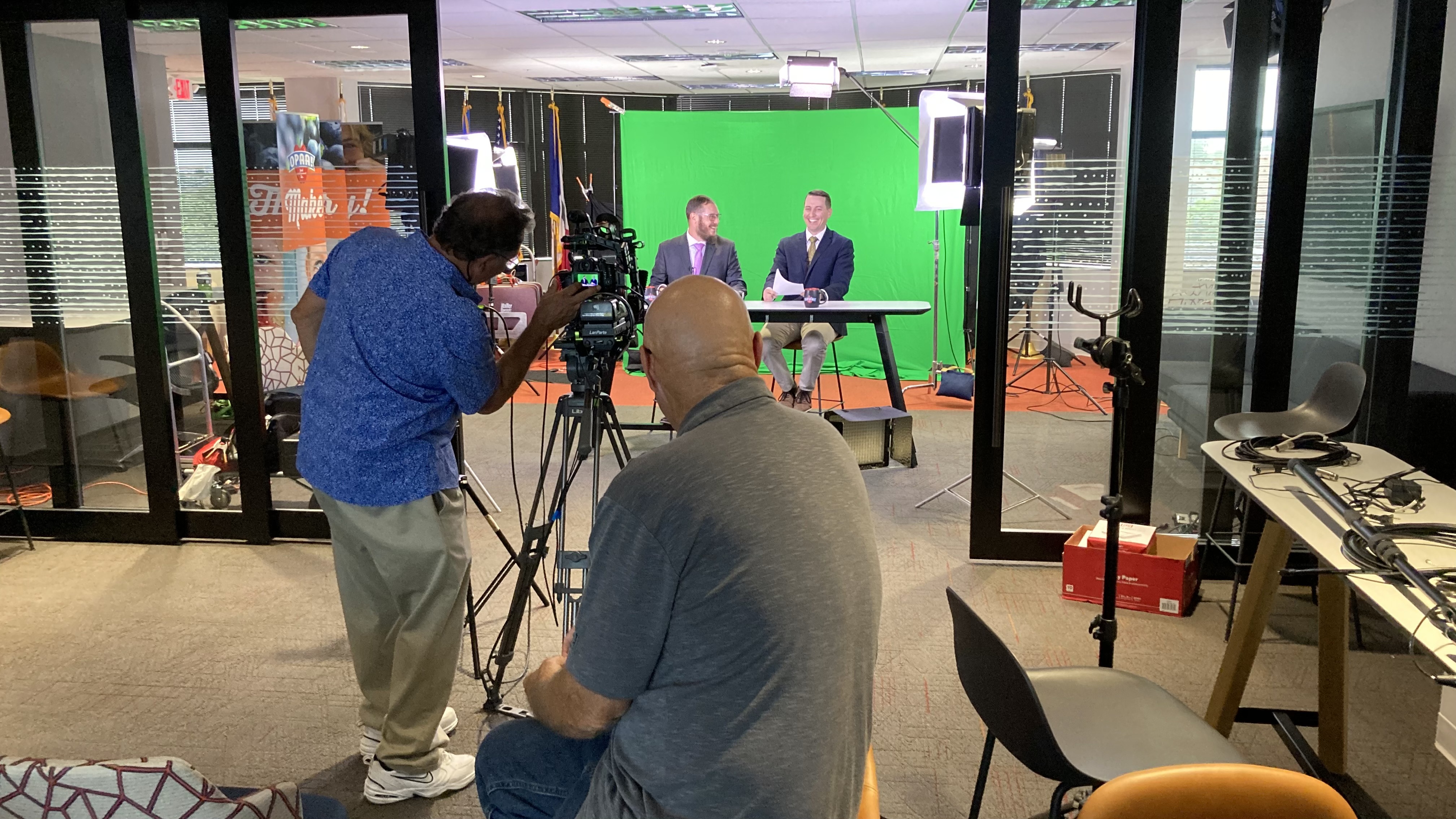
A venue walk-through prevents surprises. Check lighting through the day, power and audio access, sight lines, load-in rules, and quiet spaces for interviews. It’s also the best time to find b-roll opportunities, such as architectural details, setup activity, and branded elements that give the final video visual variety.
Phase Two: During the Event
Right-size the crew
Event type
Typical coverage approach
Small reception or team gathering
One photographer
Mid-size corporate event, panel, or open house
Photographer plus videographer
Conference, gala, or multi-session program
Multi-camera video, dedicated sound, and photography
Outdoor event, grand opening, or large venue
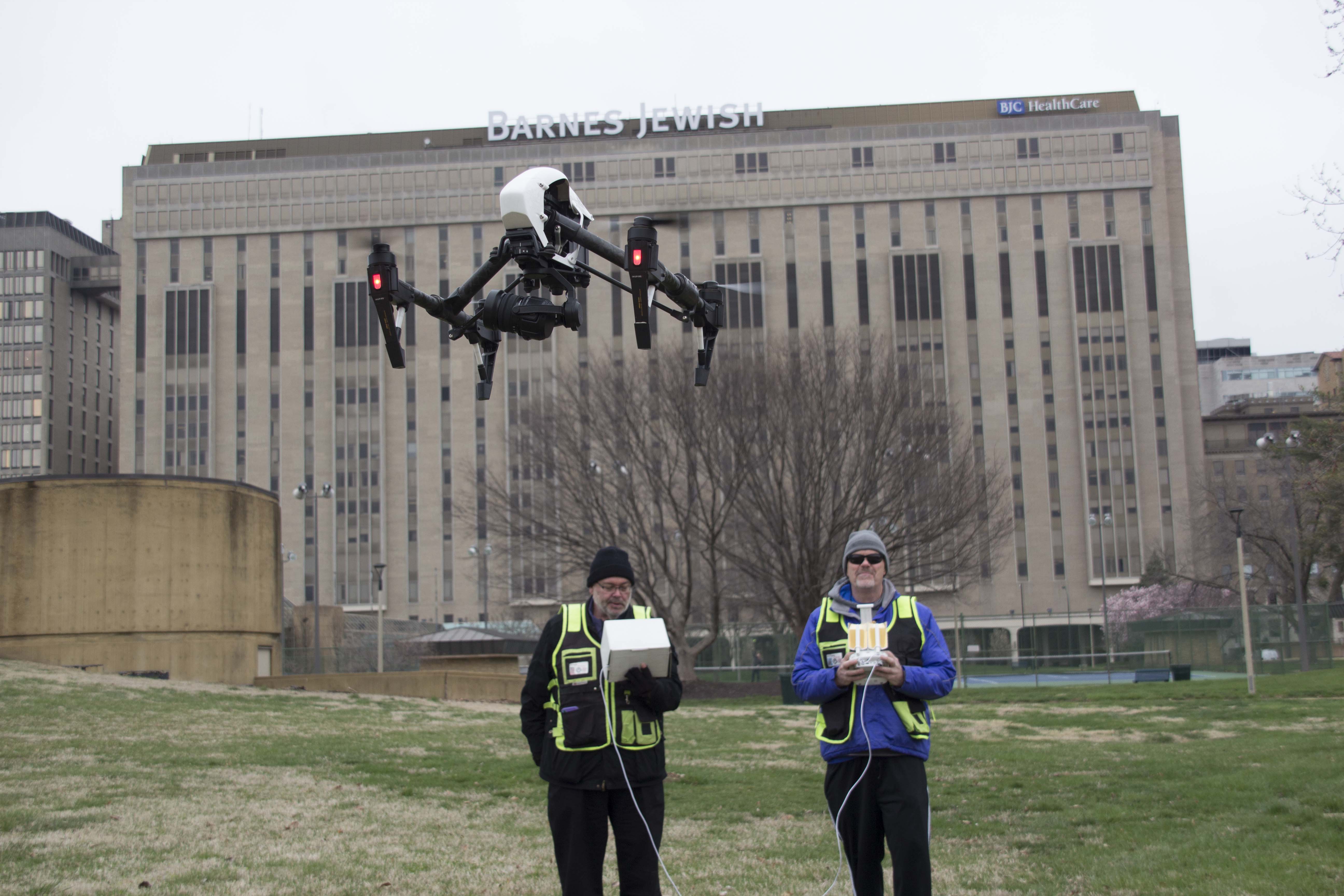
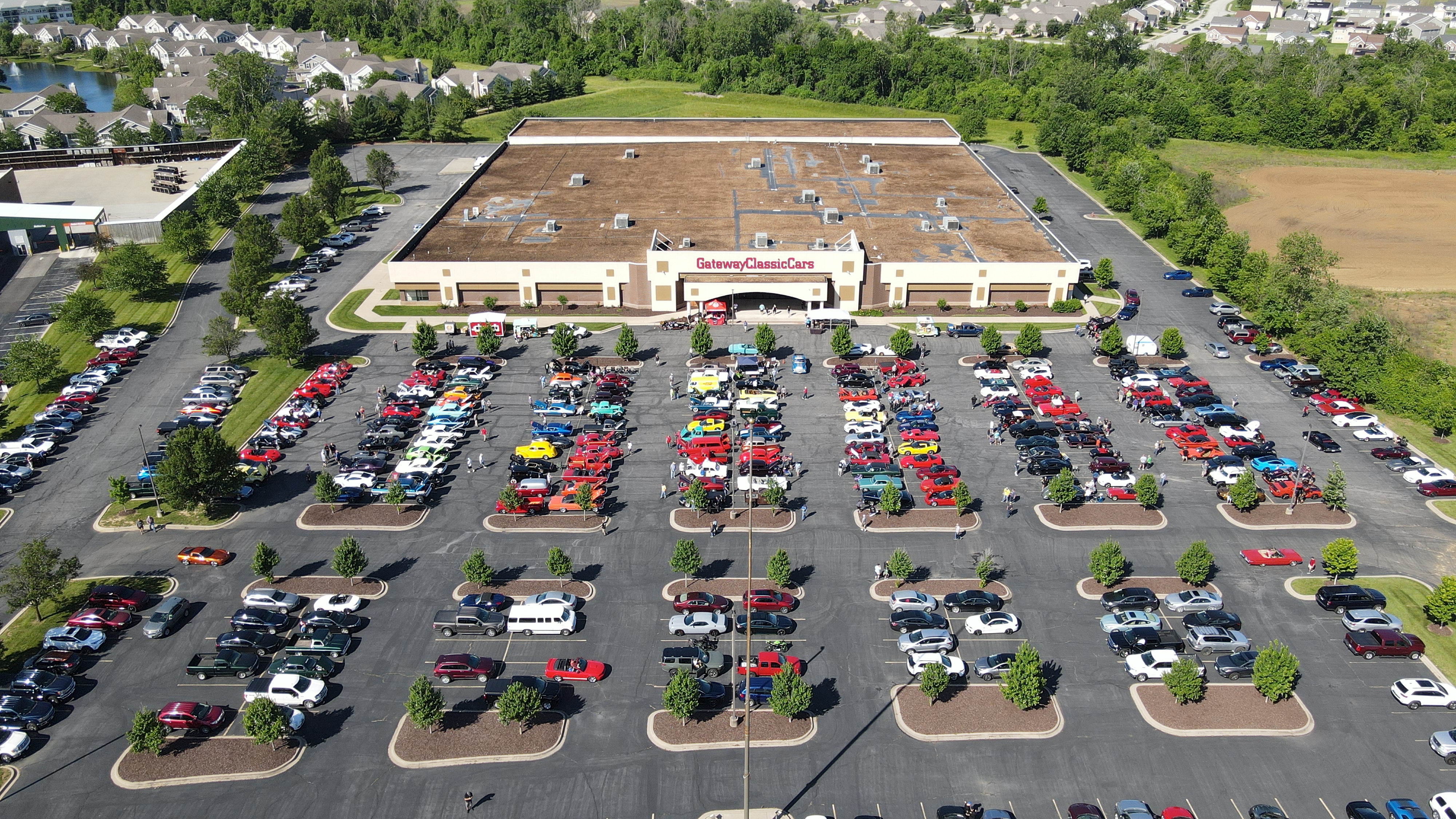
Add licensed aerial coverage
Prepare for difficult conditions
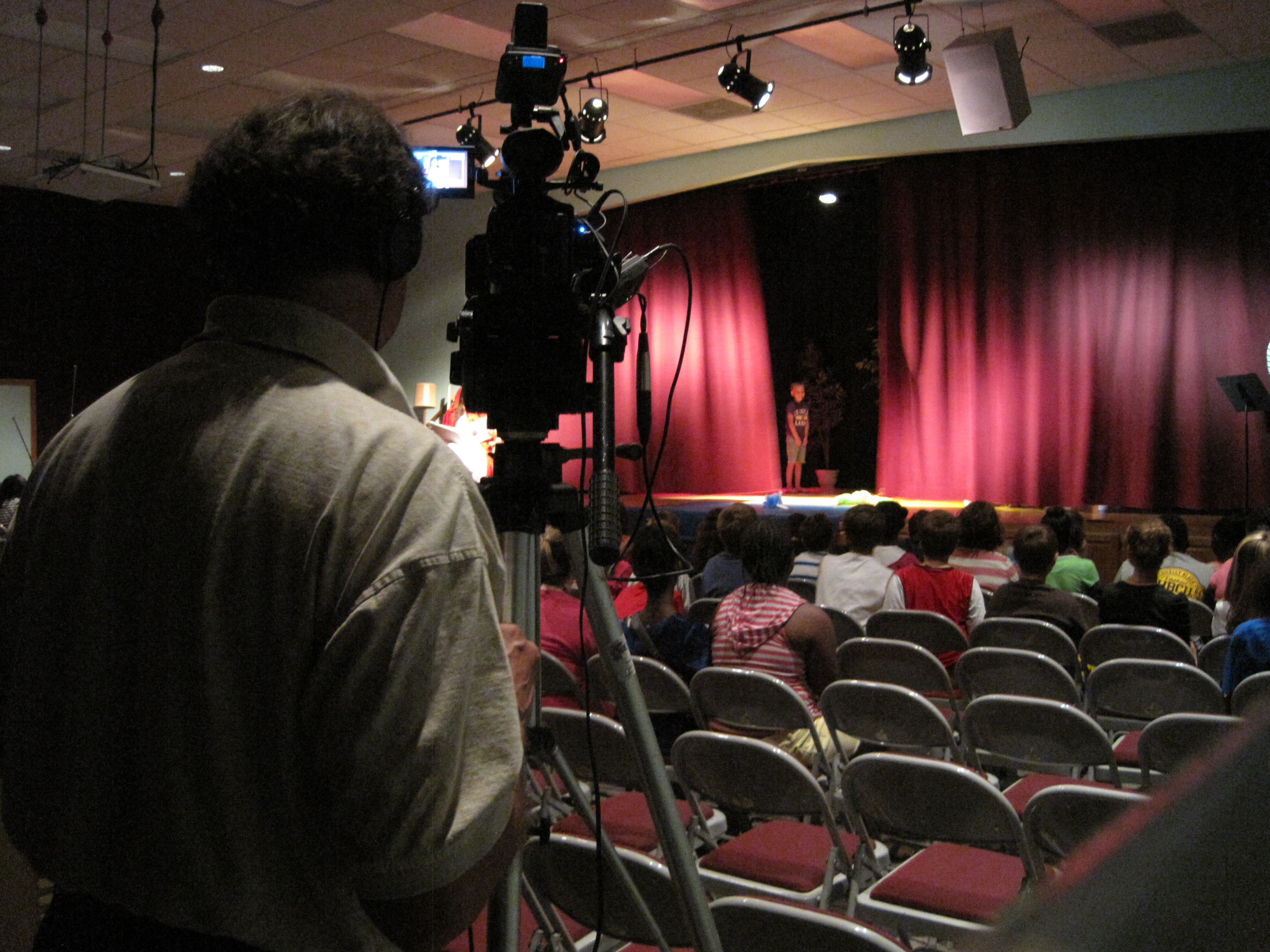
Event venues are rarely camera-friendly. Dim ballrooms, mixed lighting, bright stage screens, and fast-moving subjects demand fast lenses, strong low-light sensors, and experienced operators. Because there are no retakes, professional crews also run backup equipment and redundant recording as standard practice.
Treat audio as its own discipline
Great footage with poor sound isn’t usable. Professional event audio typically combines wireless lavalier or handheld microphones, a feed from the venue’s mixer, and separate ambient recording. If you plan to publish full sessions or testimonials, settle the audio plan first.
Stay flexible
Events never run exactly to schedule. Speakers swap, sessions run long, and the best moment is often the unplanned one. Experienced crews follow the plan but keep their eyes open.
Phase Three: After the Event
Agree on turnaround and deliverables
Different content has different urgency. A realistic delivery schedule might look like this:
Within hours: a small selection of images or short clips for social media while the conversation is live
Within days: the full edited photo gallery
Within weeks: the polished highlight video, full-session recordings, and testimonial edits
Plan for every platform
One shoot can be edited into many formats: vertical clips for social, horizontal video for your site, short teasers for advertising, captioned versions for silent viewing, and high-resolution stills for print. Specifying these up front keeps the footage useful rather than locked into a single cut.
Use AI where it helps
AI-assisted tools can speed up sorting large image libraries, transcribing speeches, generating captions, and cleaning up audio. That means faster delivery, with an experienced editor still making the creative calls on pacing, color, and story.
Repurpose with intent
A single keynote can become a full recording, a 60-second promo, a set of quote graphics, and a blog post. Interviews become testimonials. Event photography fills out your website, newsletters, and recruiting pages. Highlights from this year’s event become the centerpiece of next year’s promotion. The organizations that get the most from event coverage decide in advance how they’ll reuse it.
Choosing a Production Partner
When comparing providers, ask:
Can you show work from events similar to ours?
Who will be on site, and what will each person do?
What is your plan if equipment or crew falls through?
How do you capture and protect audio?
Who handles editing, and what are the turnaround times?
Can you help us repurpose this content for other campaigns?
Clear, specific answers signal real event experience. One team handling photography, video, sound, and post-production also keeps your visual style and messaging consistent from start to finish.
About St Louis Headshot Photographer
St Louis Headshot Photographer is a full-service professional commercial photography and video production company. Since 1982, we have worked with many businesses, marketing firms, and creative agencies in the St. Louis area on their marketing photography and video. That experience, the right equipment, and a creative crew are what make image acquisition successful, especially at live events, where every moment happens once.
We offer full-service studio and location video and photography, along with editing, post-production, and licensed drone services. We customize productions for diverse media requirements, and repurposing your photography and video branding to gain more traction is another specialty. We are well-versed in all file types, styles of media, and accompanying software, and we use the latest in artificial intelligence across our media services.
We support every aspect of your production:
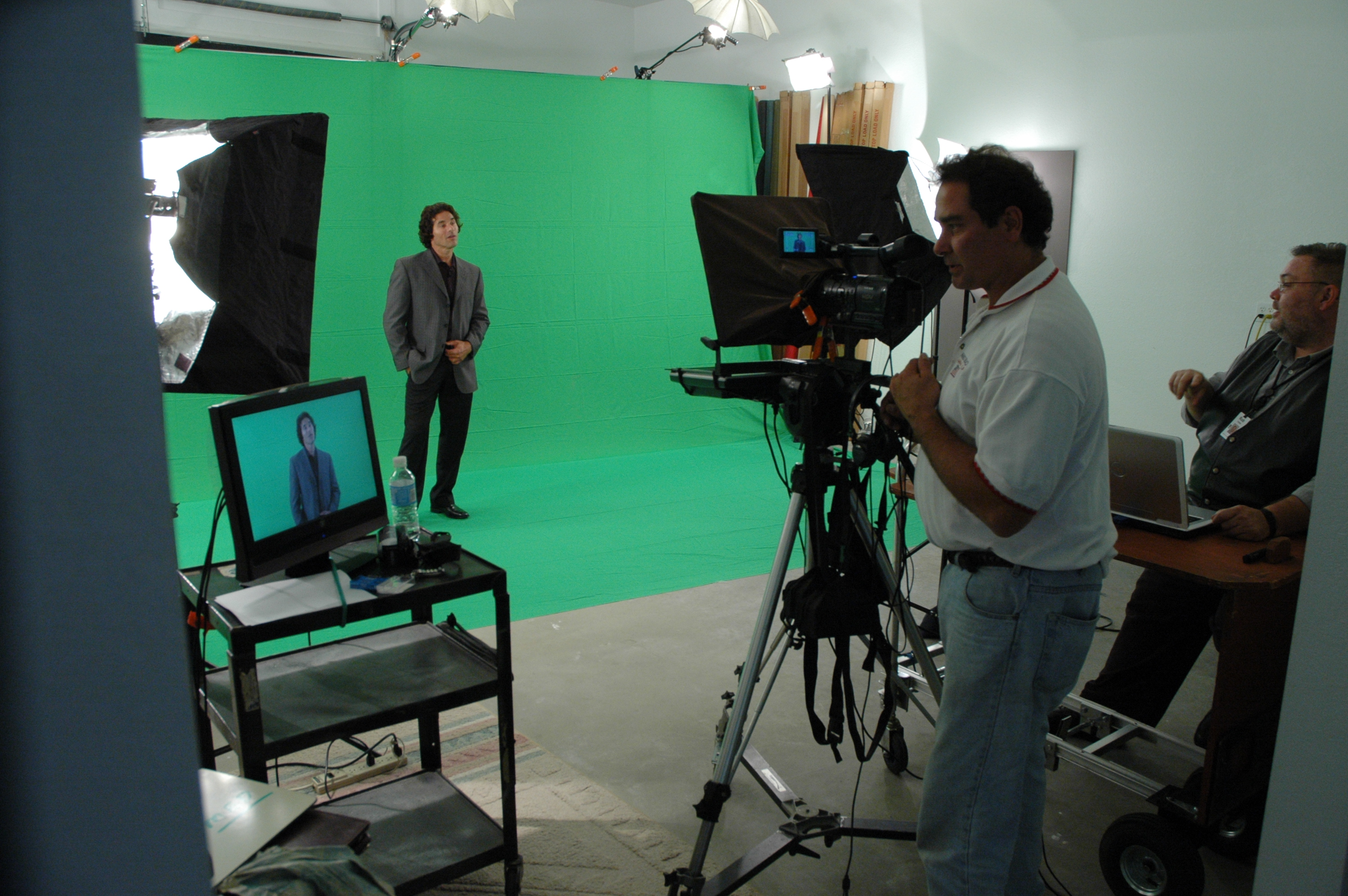
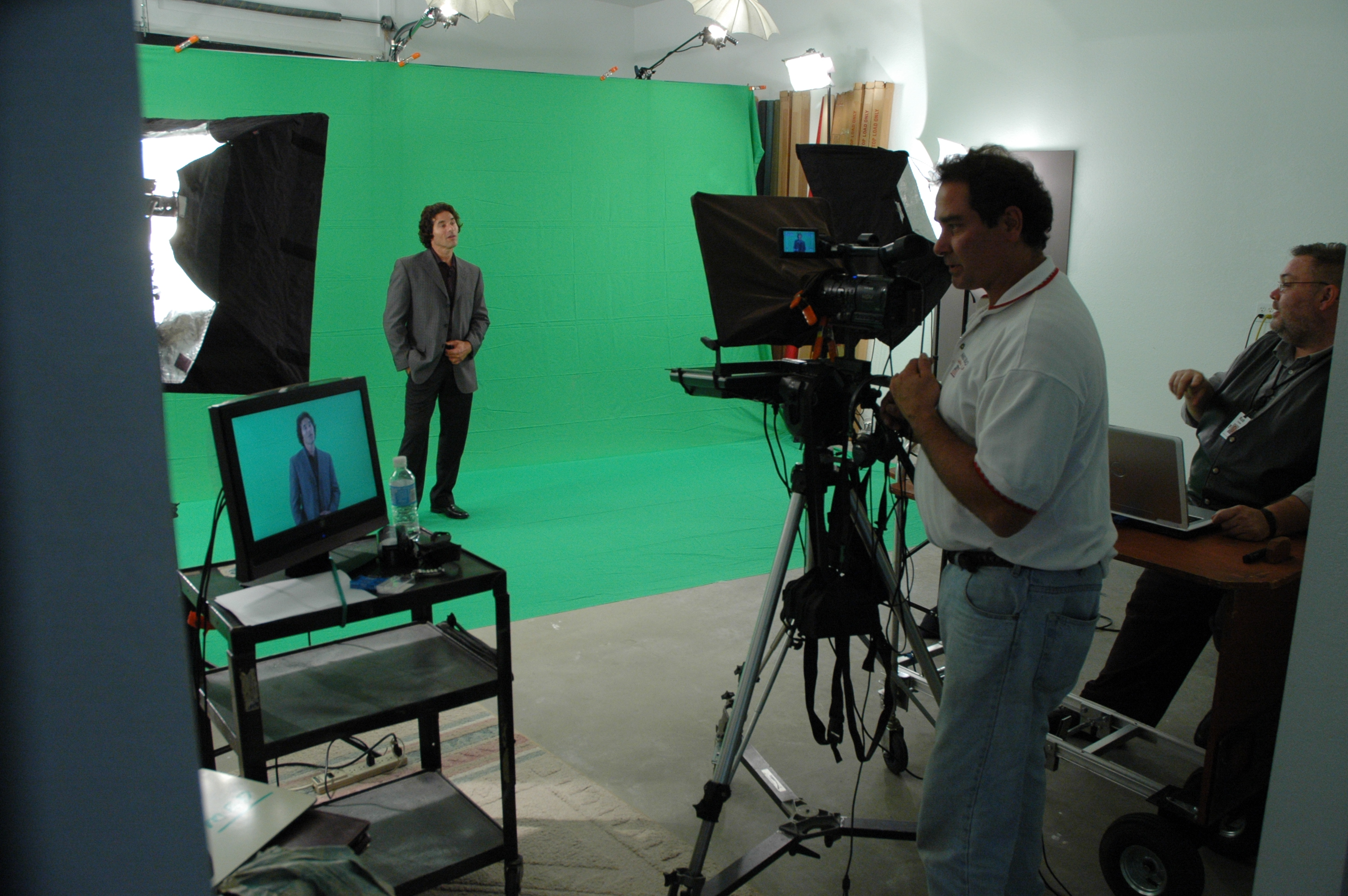
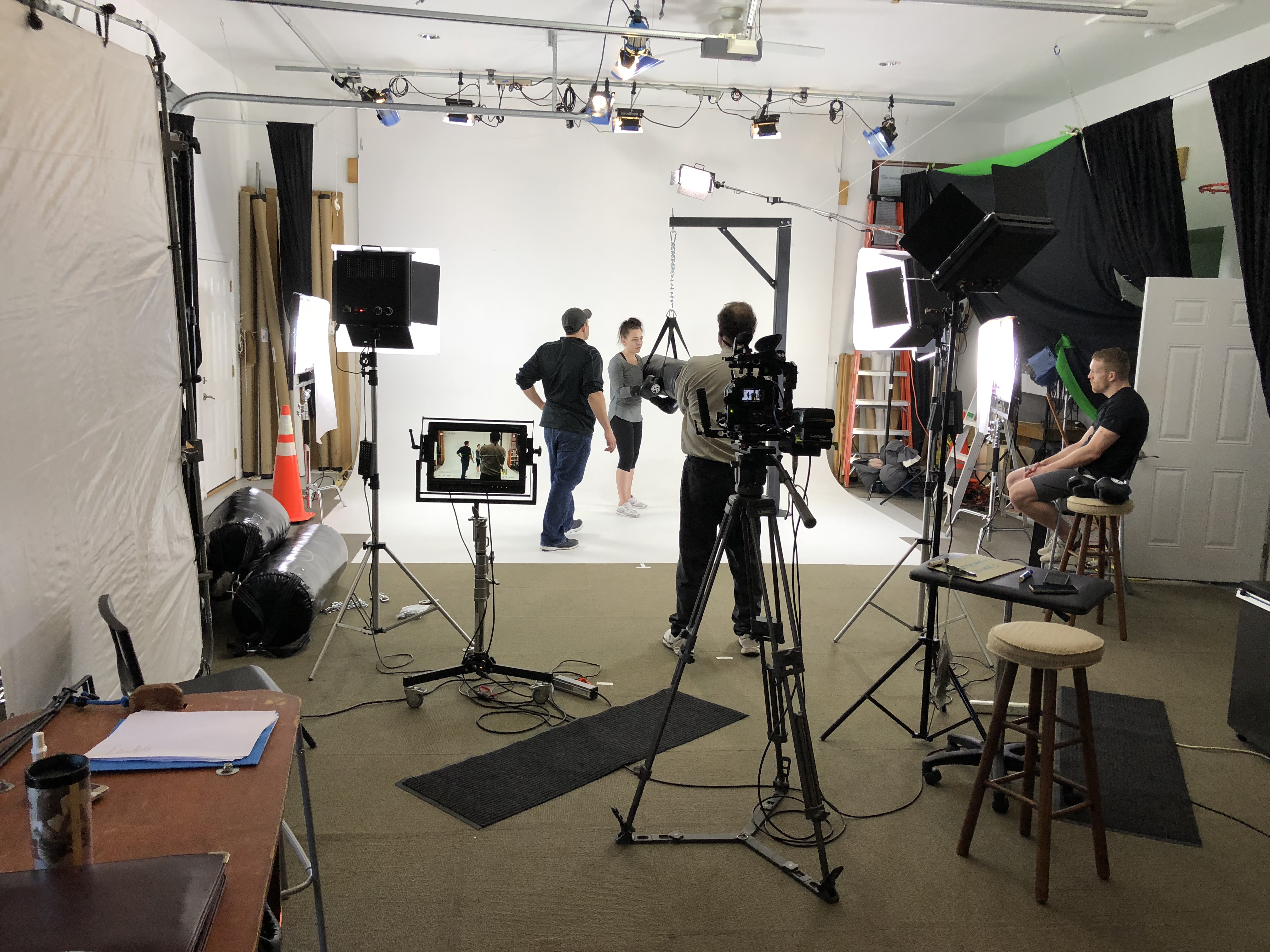
Private studio: Our studio lighting and visual setup is perfect for small productions and interview scenes. The space is large enough to bring in props and round out your set, and we can create a private, custom interview studio for your project.
Crew and equipment: We supply professional sound and camera operators and the right equipment, so your next video production is seamless and successful.
Location scouting and b-roll: Our specialists find the right settings and capture the supporting footage that gives your final video depth and polish.
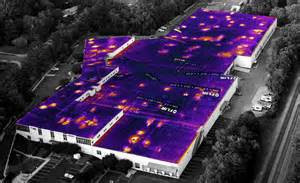
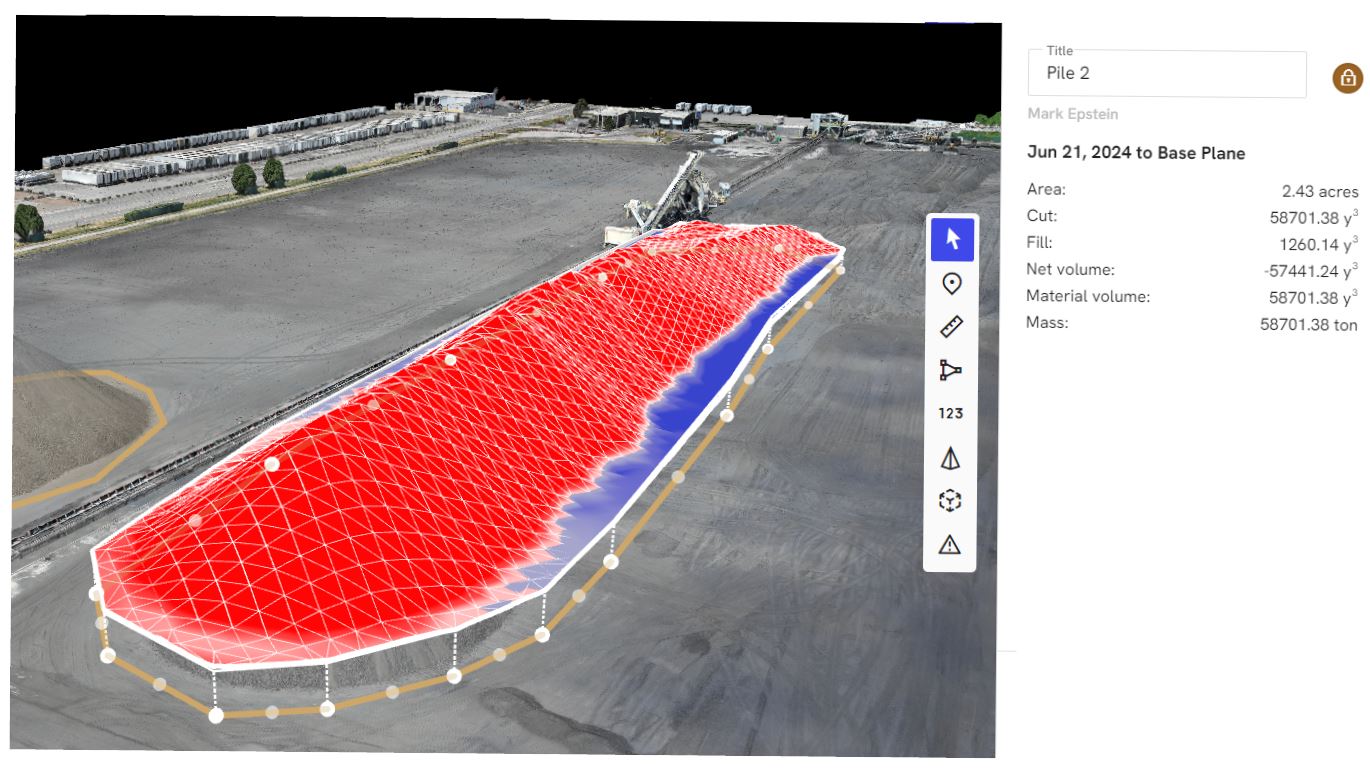
Specialized drone services: Beyond licensed aerial coverage, we can fly specialized FPV drones indoors. Our other drone services include infrared thermal imaging, orthomosaics, and LiDAR.
Planning a conference, product launch, gala, or corporate celebration? Contact St Louis Headshot Photographer to discuss your goals. We’ll help you build a coverage plan that captures the day and keeps it working for your brand long after it ends.
This version uses a different structure and angle (a before, during, and after planning framework) from the first two posts, so all three can be published without duplicate-content overlap. One note: I suggested a portrait or interview station as a planning idea because it suits your brand name. If you offer that as a defined on-site service, I can work it into the “About” section as one.
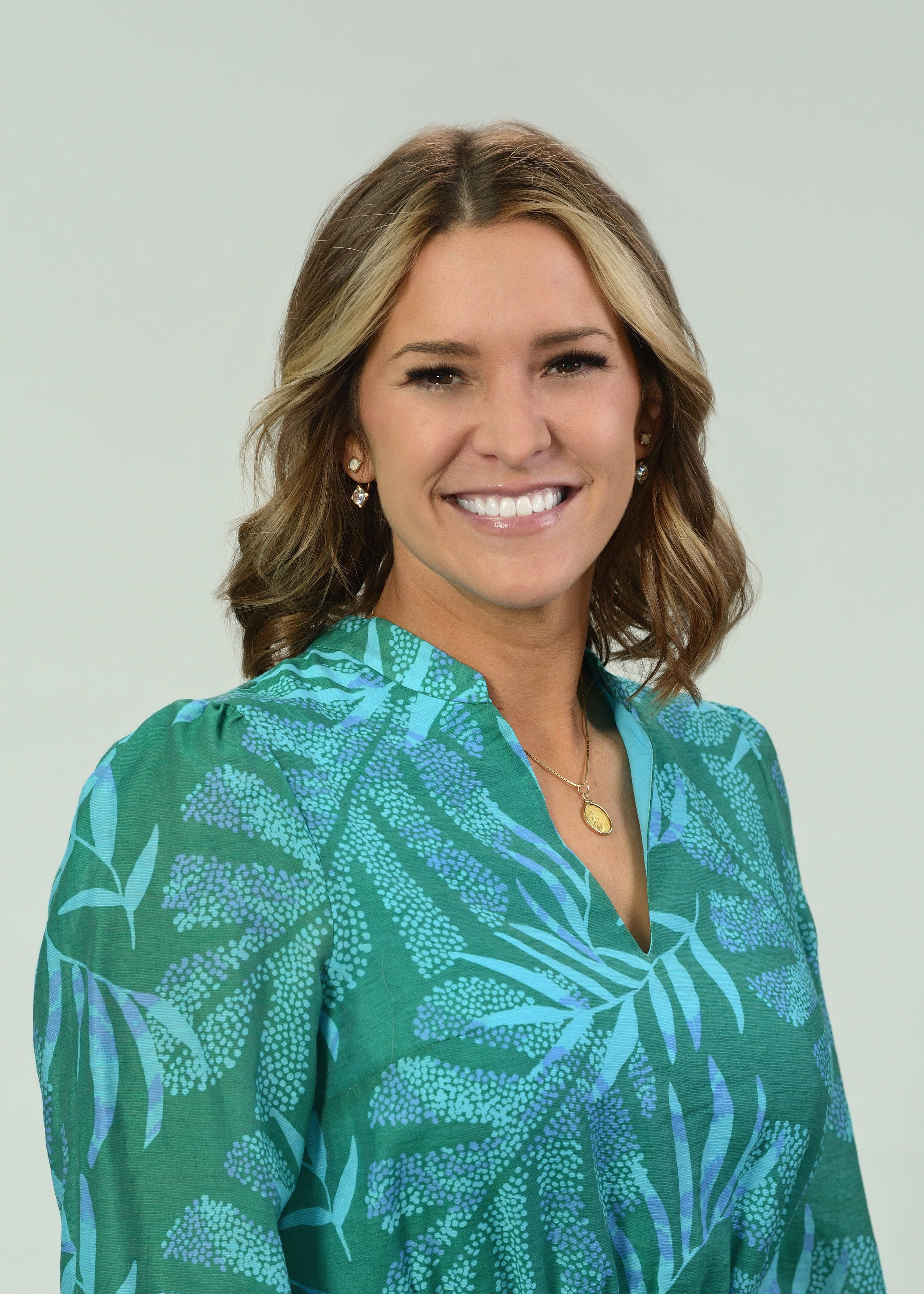
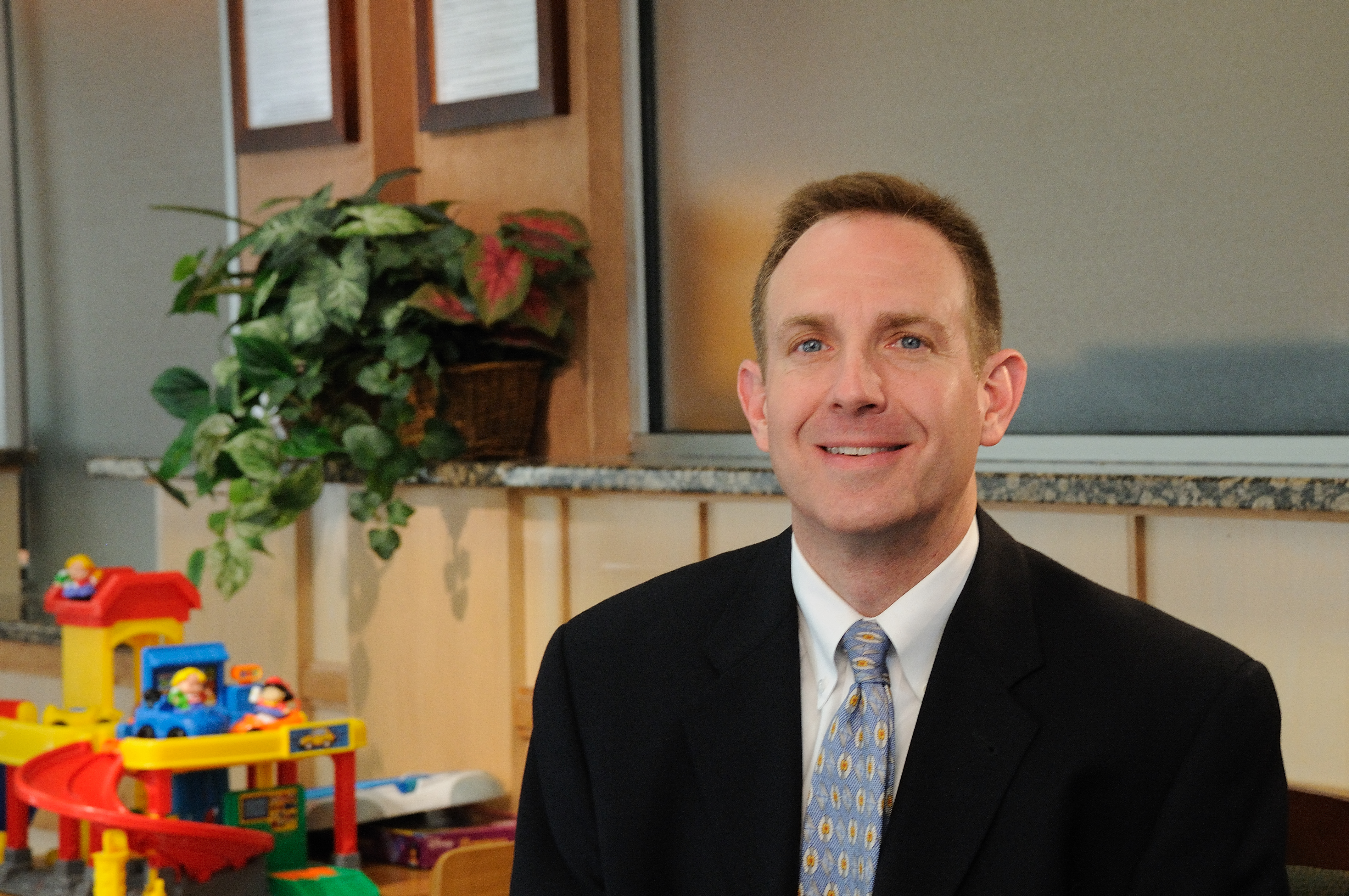
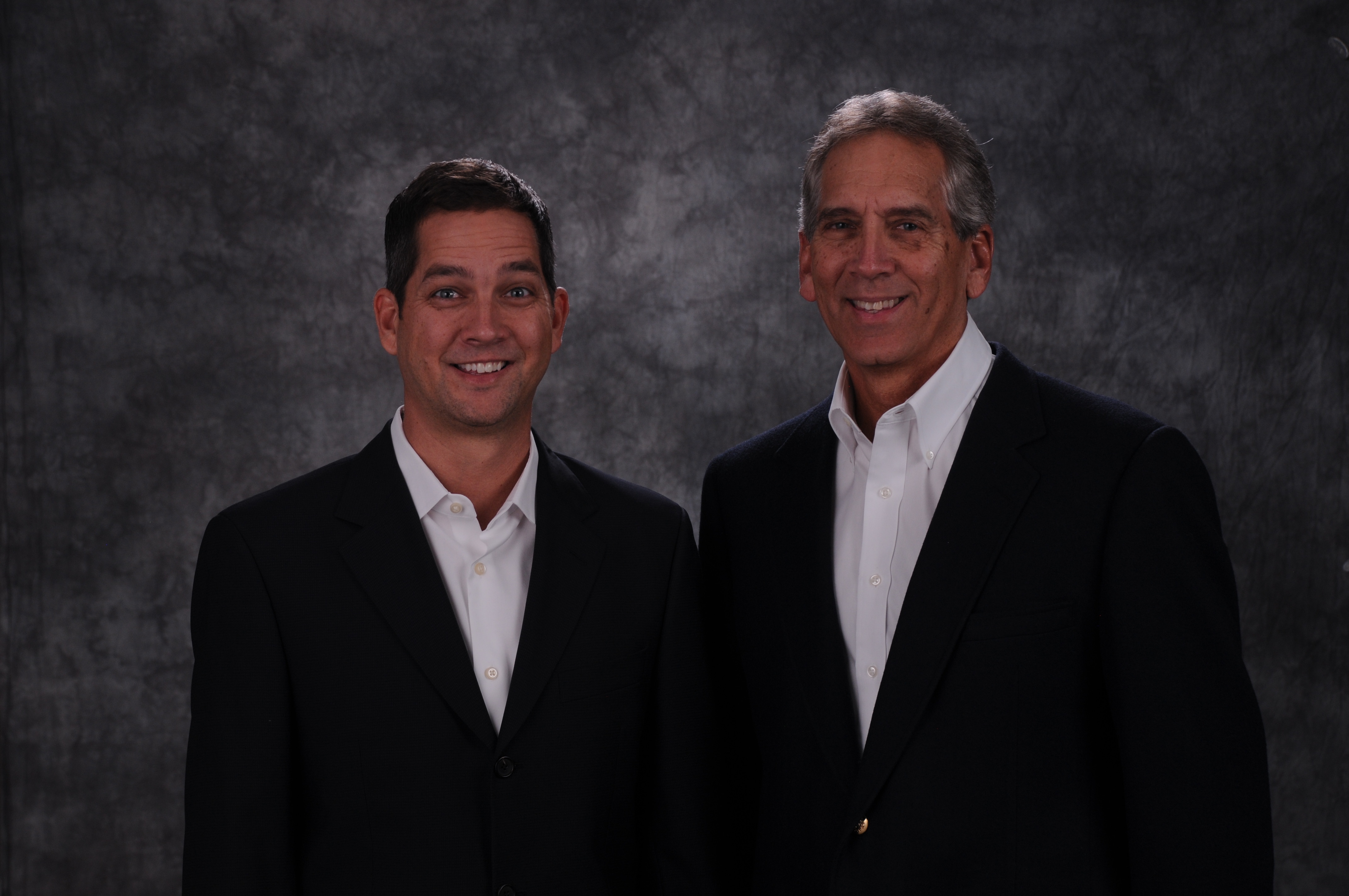
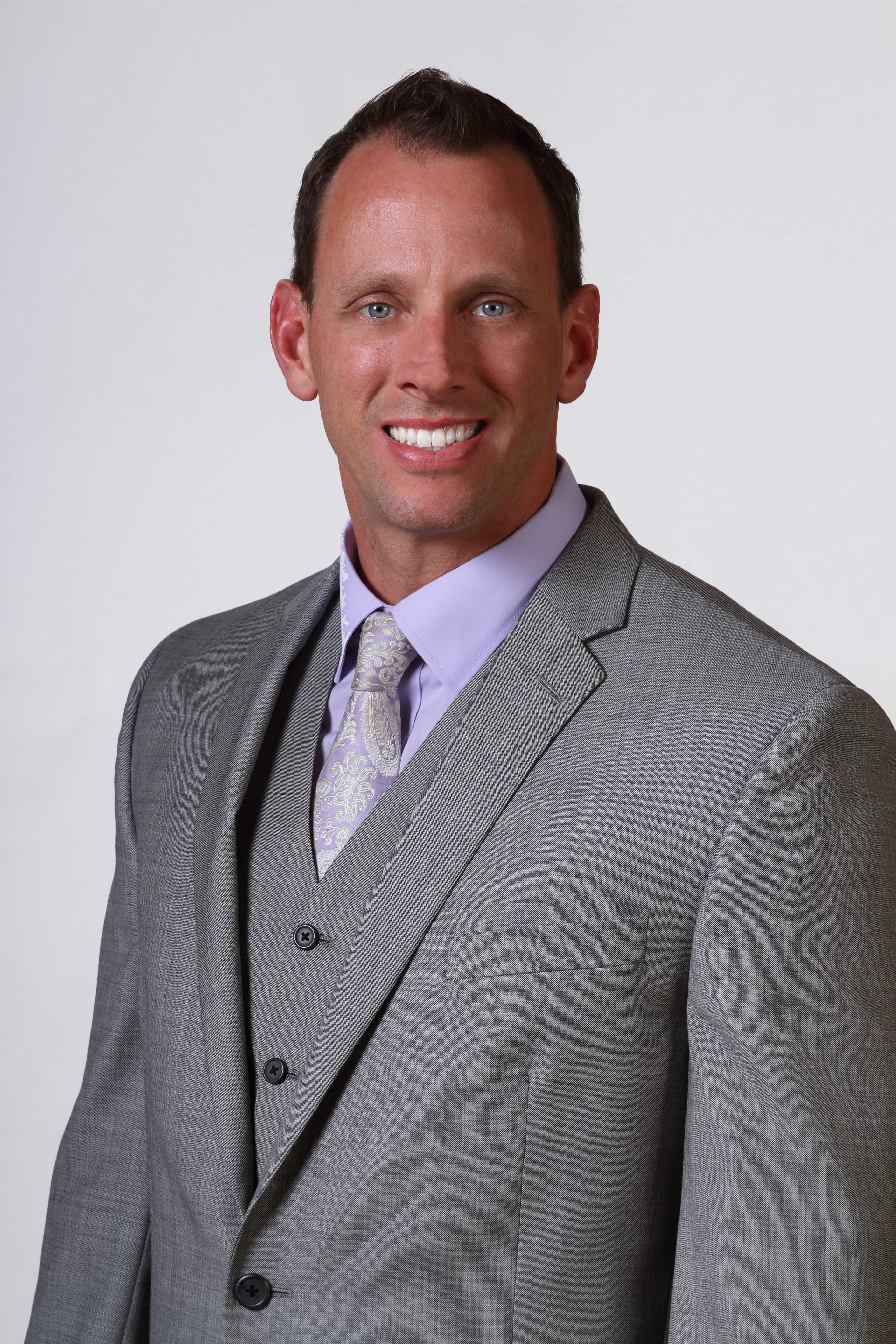
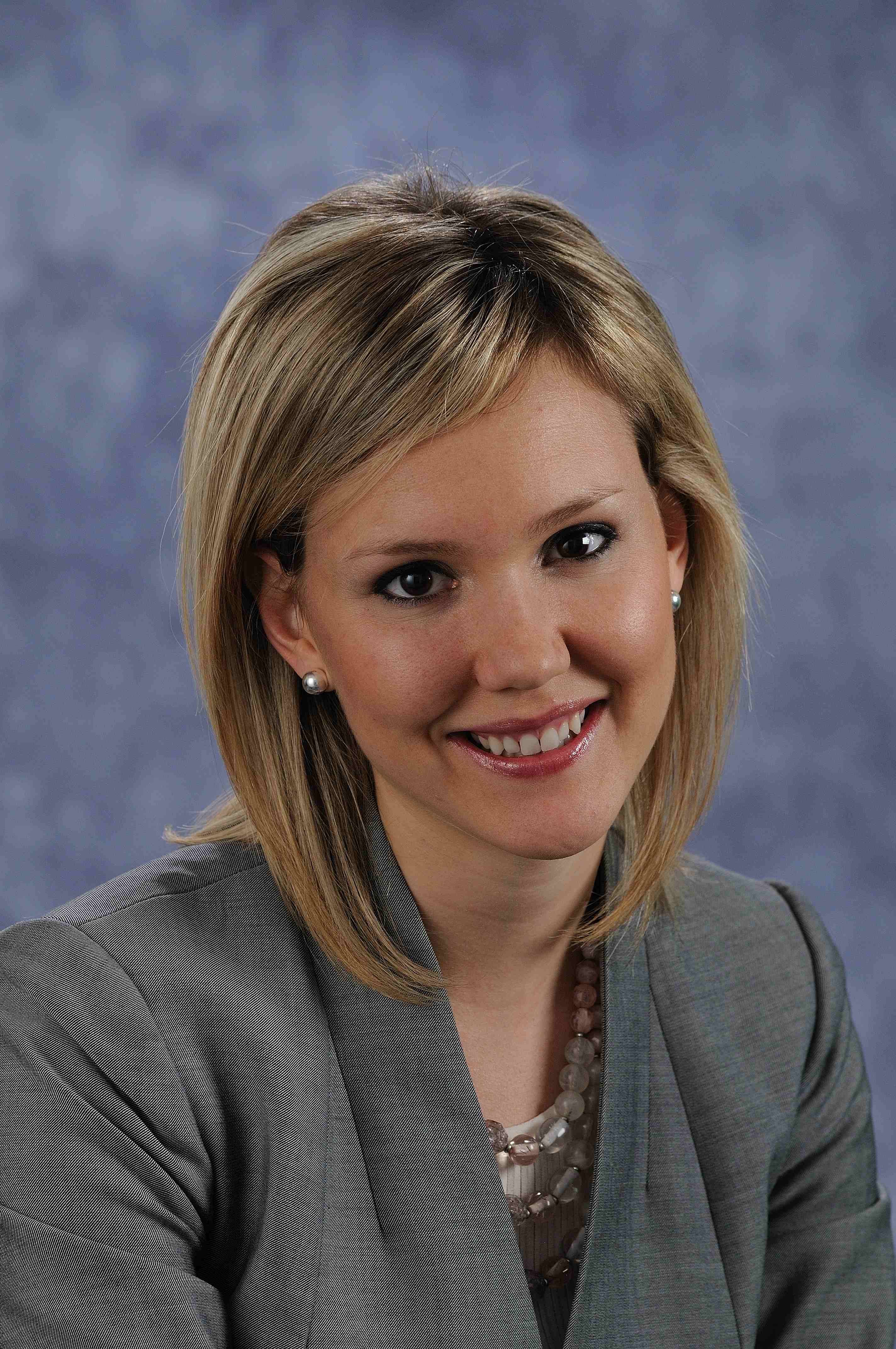
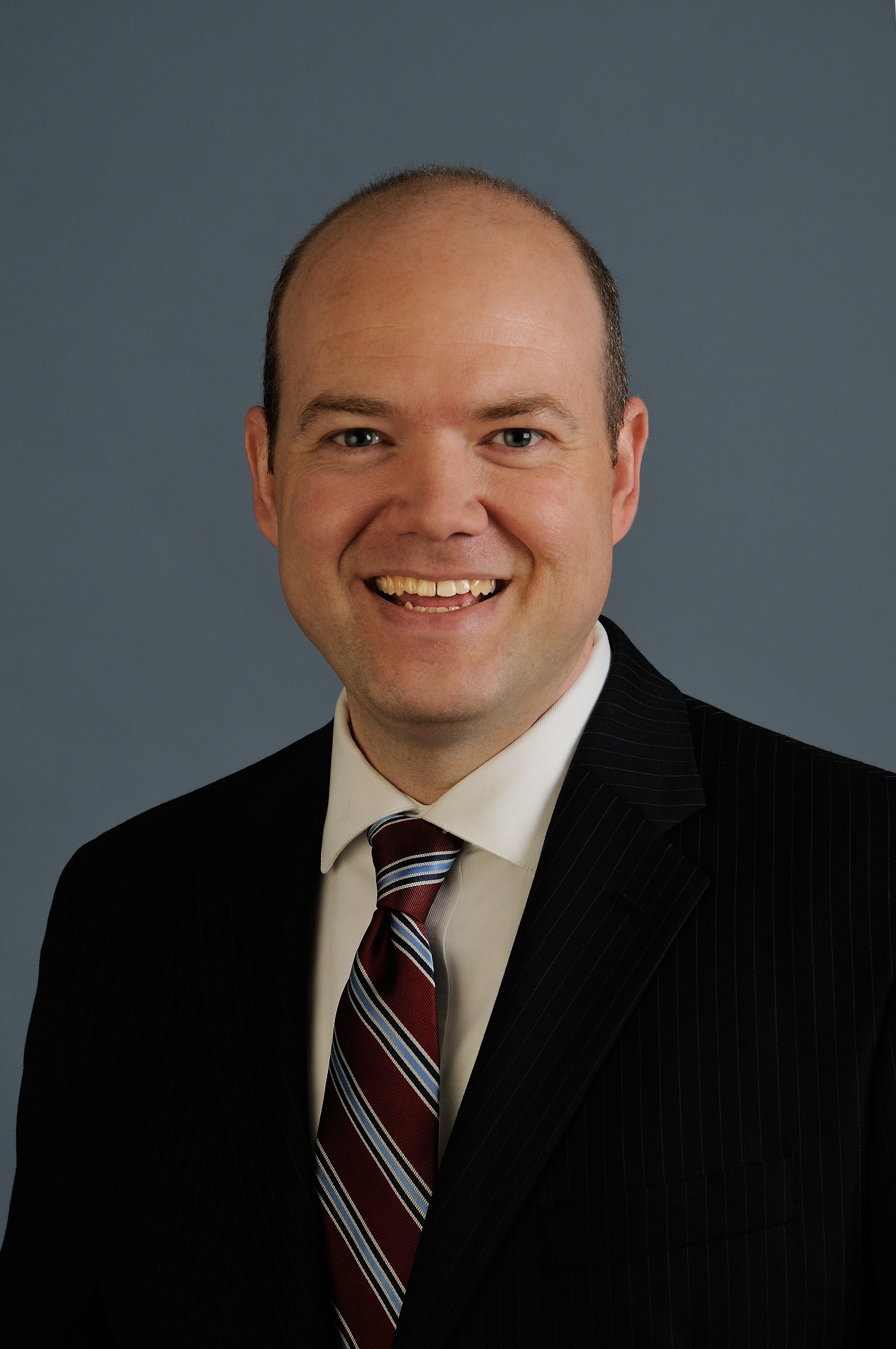
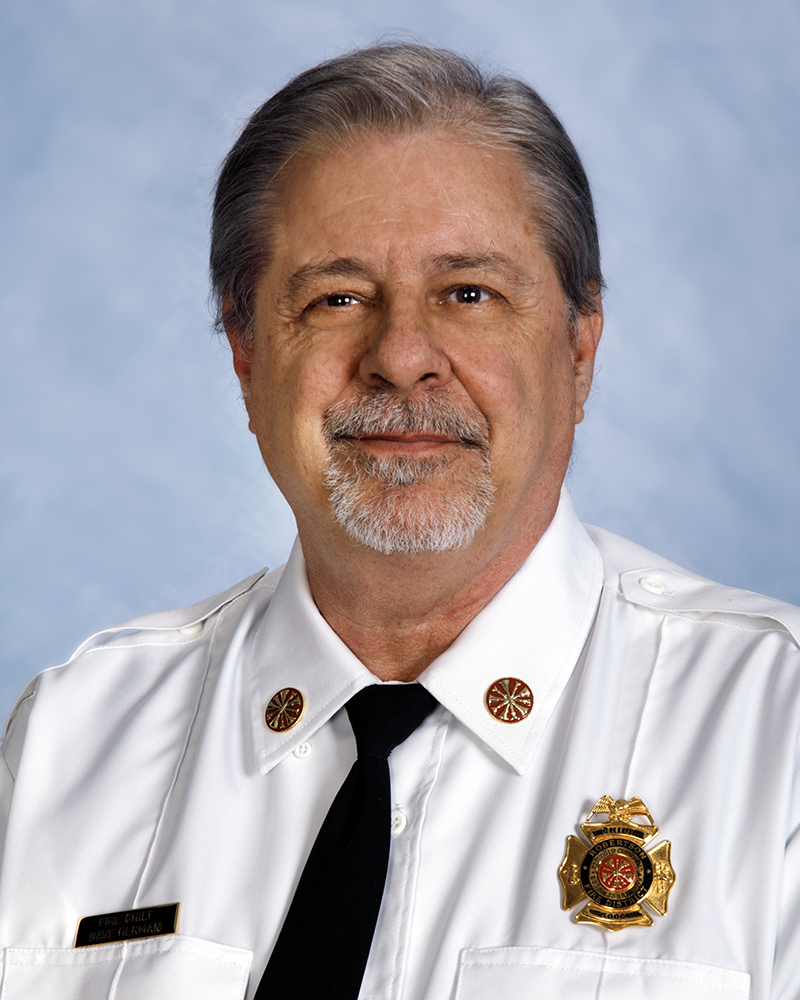
A professional headshot is often one of the first visual introductions a customer, prospective employee, investor or business partner has to the people behind an organization. From corporate websites and LinkedIn profiles to proposals, press releases, annual reports and marketing materials, headshots play an important role in establishing credibility and presenting a consistent professional image.
But coordinating professional photography for an entire team can quickly become a logistical challenge.
At St Louis Headshot Photographer, we solve that problem by bringing the photography studio directly to your business, office, conference or corporate location. Our mobile headshot service provides professional studio-quality photography without requiring employees to travel individually to a photographer.
We arrive with the cameras, professional lighting, backgrounds and production equipment needed to create a temporary headshot studio right at your location.
Why Bring the Headshot Studio to Your Workplace?
For companies with multiple employees, executives or departments, on-location headshot photography can be considerably more efficient than scheduling individual studio appointments.
Instead of having employees leave the workplace, drive to a studio, park, wait for their session and return to work, we establish a controlled photography environment within your facility.
A conference room, training room, lobby, unused office or other appropriate space can often be transformed into an efficient professional headshot studio.
Once everything is established, employees can be photographed according to a predetermined schedule. Depending on the desired photography style and number of finished images required, sessions can be structured to move efficiently while still allowing enough time for posing, expression and individual attention.
This approach is particularly useful for:
Corporate offices and professional firms
Healthcare and medical organizations
Law firms and financial institutions
Manufacturing and industrial companies
Nonprofit organizations and associations
Universities and educational institutions
Sales and management teams
Conferences and corporate meetings
Executive leadership teams
Companies updating employee directories and websites
The result is less disruption to the workday and greater visual consistency across the organization.
Consistency Is Critical to Corporate Headshot Photography
One of the most common problems we encounter with corporate headshots is inconsistency.
Employees may have been photographed at different times, by different photographers and under completely different conditions. One executive may have a studio portrait, another a casual outdoor photograph and another a cropped photograph originally taken at an event.
Individually, those photographs may be perfectly acceptable. Displayed together on a company’s leadership or employee page, however, the differences become immediately noticeable.
Professional corporate headshot photography should establish a repeatable visual standard.
At St Louis Headshot Photographer, we can develop a photography setup specifically for your organization, including lighting direction, camera position, focal length, background, composition, cropping and overall visual treatment.
Once that standard is established, it becomes much easier to maintain a consistent appearance as additional employees join the organization.
Professional Lighting Makes the Difference
Good headshot photography is not simply a matter of standing someone in front of a camera.
Lighting determines how facial features are shaped, how skin tones reproduce and how dimensional the finished portrait appears. Professional lighting also provides something office environments rarely offer: consistency.
Available office lighting can vary dramatically. Overhead fixtures may create deep shadows around the eyes, mixed lighting can introduce undesirable color shifts, and window light can change throughout the day.
Our mobile studio approach allows us to create and control the lighting rather than depend upon whatever happens to exist at the location.
Professional lighting can be adjusted according to the desired style—from bright, approachable corporate portraits to more dimensional executive photography.
Background Options for Different Branding Requirements
The traditional corporate headshot does not have to mean photographing everyone against exactly the same generic background.
Background selection should support the organization’s branding and intended use of the photography.
A neutral white, gray or darker studio background can provide a clean, timeless appearance. Environmental portraits can incorporate architecture, offices or other elements of the workplace. A carefully controlled shallow-depth-of-field background can provide context without distracting from the individual.
We can also photograph subjects in ways that provide flexibility for graphic designers and marketing departments.
For example, additional negative space can be incorporated into the composition for headlines, graphics or page layouts. Images can be captured horizontally and vertically when multiple formats are required.
Thinking about the eventual use of the photographs before the session begins creates considerably more value from the original photography.
Headshots Should Be Designed for Multiple Uses
Today’s corporate portrait rarely has only one destination.
The same photography may ultimately appear on:
Company websites and leadership pages Professional portraits help establish credibility and give customers an immediate visual connection to the organization.
LinkedIn and professional social media profiles Employees can present a professional image consistent with their company’s overall brand.
Public relations and media releases Executives frequently need current, publication-ready photography on short notice.
Proposals and presentations Professional portraits of key personnel can strengthen proposals, qualifications packages and sales presentations.
Email signatures and employee directories Consistent photography creates a more polished internal and external communications environment.
Annual reports and corporate communications Executive portraits can be incorporated into printed and digital publications.
Advertising and marketing materials Higher-resolution files provide considerably greater flexibility than photographs originally created only for social media.
This is why we recommend approaching corporate headshot photography as the creation of a reusable visual asset library rather than simply producing a profile photograph.
Creating a More Natural Expression
Many people are uncomfortable being photographed.
That is normal—and it is one reason experience behind the camera matters.
Professional headshot photography involves much more than technical camera operation. The photographer needs to quickly establish rapport, provide understandable direction and recognize subtle differences in expression.
Small adjustments in posture, shoulder position, chin placement and eye direction can dramatically affect the finished photograph.
Our goal is to make the process efficient without making the subject feel rushed. Even during high-volume corporate sessions, each person should receive enough individual direction to create a confident, natural portrait.
Executive Portraits Can Go Beyond the Standard Headshot
Senior executives and company leadership may require additional photography beyond the standard employee headshot.
Once our equipment is already on location, it can be cost-effective to capture additional executive portraits for advertising, editorial use, public relations and corporate communications.
These might include:
Environmental executive portraits
Office portraits
Leadership team photographs
Horizontal images for website banners
Full-length portraits
Casual leadership photographs
Working or conversational images
Executive interview photography
Images with additional space for graphic design
A carefully planned photography day can therefore produce considerably more marketing material than a collection of individual headshots.
Combining Headshots With Corporate Lifestyle Photography
Another advantage of bringing a professional photography crew to your location is the opportunity to expand the assignment.
After completing employee portraits, we can photograph employees interacting with customers, participating in meetings, working within the facility or demonstrating products and services.
These images can become valuable supporting photography for websites, recruitment campaigns, social media, brochures and presentations.
Instead of relying exclusively on generic stock photography, companies can build an authentic visual library featuring their actual employees, facilities and operations.
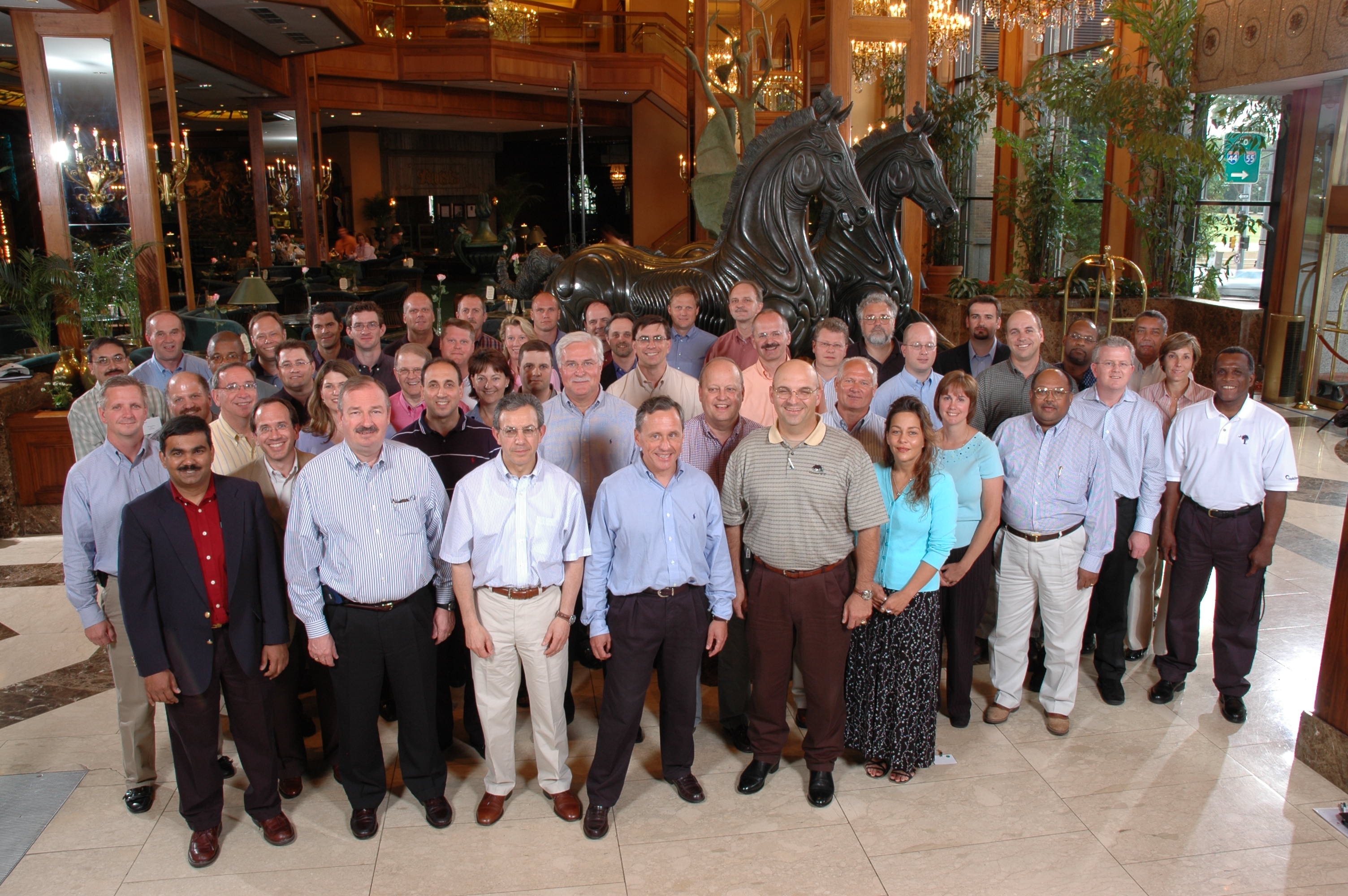
Headshots at Conferences and Corporate Events
Corporate meetings and conferences can also provide an excellent opportunity to update employee headshots.
When employees are already gathered in one location, we can establish a professional headshot station within the conference or meeting facility.
Participants can be photographed between sessions, during breaks or according to a scheduled appointment system.
For organizations with geographically dispersed employees, this can be significantly more practical than arranging photography independently in multiple cities.
The same production can potentially include event photography, executive interviews, testimonial videos and conference b-roll.
Before arriving, we can work with the client to determine the approximate number of people being photographed, desired photography style, background requirements, available space and intended uses of the final images.
A schedule can then be developed based upon the appropriate amount of time per person.
For larger organizations, photographing employees department by department can minimize interruptions. For conferences, scheduled time slots can help prevent long lines and congestion around the photography area.
Once the studio is established and tested, subjects can move through the photography process efficiently while the lighting, framing and visual style remain consistent.
Professional Retouching and Post-Production
Image acquisition is only the first part of creating a finished professional headshot.
Following the photography session, selected images can be professionally edited, color corrected and retouched.
Retouching should generally enhance rather than dramatically alter a person’s appearance. The objective is a polished photograph that still looks natural and recognizable.
Files can then be prepared for specific applications, including high-resolution printing, websites, LinkedIn, social media, presentations and internal directories.
Building a Corporate Headshot Standard for the Future
Organizations change. Employees are hired, promoted and transferred, while leadership teams evolve.
For this reason, companies should consider establishing a repeatable headshot photography standard.
We can document the photographic approach so that future sessions can closely match the original photography. Lighting, background, composition and processing can be replicated when new employees need to be added.
Instead of rebuilding the company’s visual identity every few years, new portraits can become part of an established system.
St Louis Headshot Photographer: More Than Headshots
St Louis Headshot Photographer provides professional corporate headshots at our studio or directly at your location. We bring the cameras, professional lighting, backgrounds and production experience necessary to transform an appropriate space within your facility into an efficient mobile photography studio.
Our capabilities extend considerably beyond business portraits.
As a full-service commercial photography and video production company, St Louis Headshot Photographer provides studio and location photography, video production, editing and post-production services for businesses, organizations, marketing firms and creative agencies throughout the St. Louis region.
Our private studio provides controlled professional lighting and flexible visual setups for headshots, interviews and smaller productions. The space is large enough to incorporate props, backgrounds and customized sets when a production requires a more developed visual environment.
For video productions, we can support the complete production process—from establishing a private interview environment to providing professional camera operators, sound personnel, lighting and production equipment. Our crews are also experienced in location scouting and capturing effective b-roll that helps tell a more complete visual story.
Drone, FPV and Specialized Aerial Imaging
Our production capabilities also extend into professional drone operations.
Licensed drone services can complement conventional photography and video with cinematic aerial perspectives. Specialized FPV drones can be used for certain indoor productions, providing dynamic continuous-movement perspectives that would be difficult to achieve with traditional camera systems.
Additional specialized aerial imaging capabilities include infrared thermal imaging, orthomosaic mapping and LiDAR applications, allowing us to support assignments extending beyond conventional marketing imagery.
Photography, Video and Content Repurposing
Capturing excellent imagery is increasingly only the beginning of the process.
St Louis Headshot Photographer can help clients adapt and repurpose existing photography and video for websites, presentations, social media, advertising, recruitment, internal communications and other digital platforms.
We are experienced with diverse media formats, file types, editing systems and production software. We also incorporate current Artificial Intelligence tools where they provide meaningful advantages in media production, post-production and content workflows while maintaining professional creative oversight.
Serving St. Louis Businesses Since 1982
Experience matters when a production involves employees, executives, customers, facilities and valuable company time.
Since 1982, our full-service photography and video production operation has worked with businesses, marketing organizations and creative agencies throughout the St. Louis area.
Whether the assignment involves photographing five executives or creating consistent headshots for an entire organization, our objective remains the same: professional image acquisition, efficient production and finished visual assets designed to work across today’s many marketing and communications platforms.
With St Louis Headshot Photographer, your team doesn’t have to travel to the studio.
ERAS headshots have always been a required element of the application, but their role has shifted. With residency programs receiving record numbers of applications and relying more heavily on holistic, values-based review, admissions and program committees are spending less time per file — which means visual and video content is doing more work, faster, to communicate professionalism and fit.
A growing number of programs also now solicit optional or required short video statements, sometimes in lieu of (or in addition to) the traditional interview. These clips are typically 30–90 seconds, unscripted or lightly scripted, and designed to let programs assess communication style, presence, and authenticity — qualities that are difficult to convey through text alone. Institutions that get ahead of this trend and offer students professionally produced video assets, rather than leaving them to record on a phone in a dorm room, are giving their applicants a measurable edge.
The Real Cost Drivers Behind Headshot and Video Programs
When institutions evaluate options for producing ERAS headshots and video clips at scale, three cost drivers typically determine the final price tag:
1. Per-session versus batch production. Booking individual freelance photographers for one-off sessions is almost always the most expensive path per student, both in dollars and in coordination time. A batch-production model — where a crew sets up once and processes a continuous flow of students over one or several days — dramatically lowers the per-person cost while improving consistency across the cohort.
2. Studio versus improvised space. Converting a conference room or classroom into a temporary photo studio sounds cost-saving on paper, but it introduces hidden costs: rented lighting, backdrop rentals, extra crew time for setup and teardown, and inconsistent results if ambient light changes throughout the day. A dedicated, pre-lit studio space eliminates these variables entirely.
3. Post-production workflow. ERAS has specific technical requirements for photo files (JPEG format, defined pixel dimensions, and file size limits), and video clips often need to be trimmed, color-corrected, and exported in specific formats and aspect ratios depending on the program’s submission portal. Production teams with an efficient, partially automated post-production pipeline can turn around hundreds of finished assets in days rather than weeks — which directly affects labor cost.
Best Practices for a Cost-Efficient, High-Quality Program
Schedule in structured blocks, not open-ended windows. Assigning students to 10–15 minute time slots across a single day or a few consecutive days allows a production crew to maintain lighting and camera settings, minimizing setup changes and maximizing throughput.
Standardize wardrobe and background guidance in advance. Sending students a simple one-page guide on appropriate attire (white coat or business professional, depending on program preference) and grooming reduces retakes and keeps the visual identity of the cohort consistent.
Use a single controlled environment for both photo and video. Capturing headshots and video clips in the same studio setup, back-to-back, means students only need to show up once — saving both their time and the institution’s coordination overhead.
Build in light direction and coaching. A brief, calm prompt from an experienced director — helping a nervous student relax their shoulders or find a natural starting sentence for their video clip — measurably improves outcomes without adding significant time per session.
Plan for revisions and late additions. Residency application cycles include students who join late, need retakes, or require updated assets the following year. A production partner with retained lighting setups, style notes, and file archives can accommodate these requests without re-creating the entire production from scratch.
What to Look for in a Production Partner
Not every commercial photography or video vendor is equipped to run an efficient, high-volume ERAS session. Decision makers should look for a partner that offers:
A dedicated studio space (versus mobile-only services), to control lighting and eliminate rental costs
Experience with structured, high-volume scheduling for cohorts, not just individual bookings
Familiarity with ERAS technical specifications for both photo and video file delivery
A streamlined, technology-assisted post-production workflow to control turnaround time and cost
The flexibility to scale from a small residency class to a large medical school cohort
Choosing a partner with these capabilities up front — rather than assembling ad hoc freelance talent each cycle — is consistently the single biggest lever for controlling cost while raising the quality bar for every student’s application.
Every business event your organization produces carries a budget, a purpose, and a window of opportunity that closes the moment the last attendee walks out the door. Conferences, corporate meetings, product launches, award ceremonies, trade show appearances, client summits, and professional development programs all represent meaningful organizational investments — in planning, logistics, hospitality, speaker talent, and staff resources.
What most organizations fail to fully capture is the return.
Professional event video and photography are not supplemental line items. They are the mechanism by which a time-limited gathering becomes a durable, deployable, and compounding marketing asset. When approached with strategic production intelligence, cost-efficient event documentation delivers more usable content value per dollar invested than almost any other marketing production activity on your calendar — because the event itself has already done the work of assembling your audience, your leadership, your clients, and your brand environment in one place.
This article is written for the decision-makers who commission, approve, and evaluate professional photography and video production for business events. Understanding how cost efficiency is actually generated in professional event production — and where the most common and expensive mistakes occur — is one of the most practical advantages available to marketing and communications professionals working under real budget constraints.
The Asset Perspective: Reframing What You Are Actually Buying
The organizations that extract the most value from their event production investments share one perspective: they do not think of event video and photography as a service. They think of it as asset acquisition.
This reframe is not semantic. It changes the entire approach to budgeting, planning, and vendor selection.
A service is consumed once and delivers a single outcome. An asset generates value across time and across applications. Professional event video and photography, when captured with strategic intent and post-produced by a team that understands multi-platform content deployment, yield assets that serve your organization across a surprisingly wide range of applications.
From a single professionally documented business event, an organization can generate a comprehensive event archive for internal records and future reference, a flagship highlight video for the company website and YouTube channel, short-form social media content for LinkedIn, Instagram, and Facebook, individual speaker and executive clips for thought leadership campaigns, on-site interview and testimonial content for sales and marketing deployment, promotional video for the next event in your series, photography for press and media distribution, editorial imagery for your website and digital presence, executive and team portraits captured in a professional event environment, and B-roll footage of your people, culture, and operations that serves future productions.
That is not a single deliverable. That is a content program — and it originates from one production day, planned and executed correctly. Viewed through this lens, the economics of professional event documentation look fundamentally different than they do when treated as a line-item service.
Where Cost Efficiency Is Actually Generated
Decision-makers evaluating event production budgets frequently focus on day rates and crew size as the primary cost variables. Both matter, but neither is where cost efficiency is primarily created or destroyed. Cost efficiency in professional event production is a product of three phases, in this order of importance.
Phase One: Pre-Production Planning
Pre-production is where the economic foundation of your event coverage is built — and it is the phase that most clearly separates experienced production partners from vendors who simply respond to a brief and show up.
A rigorous pre-production process for business event coverage includes a thorough marketing objectives briefing, ensuring the production team understands not just what the event is but what the content generated from it needs to accomplish. It includes a complete review of the event program, run-of-show, and schedule, so priority moments are identified and planned for rather than discovered and potentially missed on the day. It includes a venue assessment — or at minimum a detailed venue inquiry — addressing ambient lighting conditions, acoustic characteristics, stage configuration, room layout, and any physical constraints that affect crew positioning, equipment selection, or audio capture.
It includes a deliverables map: a specific, format-explicit accounting of every video and photography output the production needs to generate, including platform destinations, length specifications, aspect ratios, and intended audiences. And it includes a crew and equipment plan built around the documented requirements of the specific event, not around a standard package.
Every gap in this process becomes a production-day improvisation or a post-production remediation problem. Both cost money. Pre-production investment — the time spent planning before the camera powers on — is the highest-return activity in event production budgeting.
Phase Two: Production Day Execution
On the day of your event, cost efficiency is delivered through crew experience, equipment appropriateness, and operational discipline. These three factors operate together.
Crew experience is the most consequential production-day variable. Experienced camera operators anticipate action, manage their position relative to changing light, and structure their coverage so that the edit suite receives material that actually edits — not raw footage that requires extensive remediation. Experienced audio technicians identify problems before they contaminate the recording rather than after. Experienced producers manage the run-of-show in real time, prioritize coverage when the program runs long or short, and make the dozens of judgment calls that a production day requires without disrupting the event or missing the moments that matter.
The rate differential between experienced and inexperienced crew is consistently recovered — and typically exceeded — in post-production savings alone, before accounting for the qualitative difference in deliverable output.
Equipment appropriateness means the camera systems, audio solutions, and lighting configurations selected for your event are matched to the specific conditions of your event environment. This is not a function of spending more. It is a function of the production partner understanding your venue, your program, and your deliverables thoroughly enough to make correct equipment decisions rather than defaulting to a standard kit. Over-equipped productions waste budget. Under-equipped productions compromise quality and create post-production problems. Correctly equipped productions are the efficient ones.
Operational discipline means the crew is executing a plan, not discovering the event as it unfolds. Shot assignments are clear. Audio feeds are confirmed before the program begins. The photographer and videographer are coordinating rather than duplicating. Priority moments are flagged on the run-of-show so the entire crew is oriented toward the same coverage objectives. This level of on-the-floor organization is the direct output of pre-production investment — and it is what makes a lean, experienced crew capable of comprehensive coverage that a larger but undirected team cannot match.
Phase Three: Post-Production and Repurposing
Post-production is where the quality of your source material becomes financially consequential. The economics are straightforward: well-captured footage moves through the editing process efficiently and produces excellent outputs. Poorly captured footage generates compounding friction — time-consuming remediation, quality compromises, and in some cases outputs that simply cannot be salvaged regardless of the skill applied in the edit suite.
An experienced post-production team does not merely assemble your event footage. They execute a repurposing strategy — a deliberate plan for extracting every usable asset from the captured material across every format your content distribution requires. This means the cut-down social clips, the reformatted vertical content, the speaker segments, the testimonial edits, and the B-roll packages are all generated from the same source material through a planned workflow rather than an afterthought.
AI-assisted editing tools, color grading platforms, audio restoration technology, and automated transcription and captioning systems have materially accelerated and improved this process. An experienced post-production team working with current AI-assisted tools can deliver a broader range of polished deliverables, in shorter timeframes, than was achievable even a few years ago. But these tools amplify the quality of good source material — they do not replace it.
On-Site Interview Capture: The Highest-Efficiency Content Opportunity in Business Events
If there is a single production practice that generates more content value per dollar than any other in the business event context, it is systematic on-site interview and testimonial capture.
Business events concentrate the people who are most valuable to your content program — satisfied clients, subject matter experts, organizational leadership, industry partners, and engaged community members — in a single location over a defined and scheduled time window. This assembly is expensive to replicate. It almost never happens except when an event creates it.
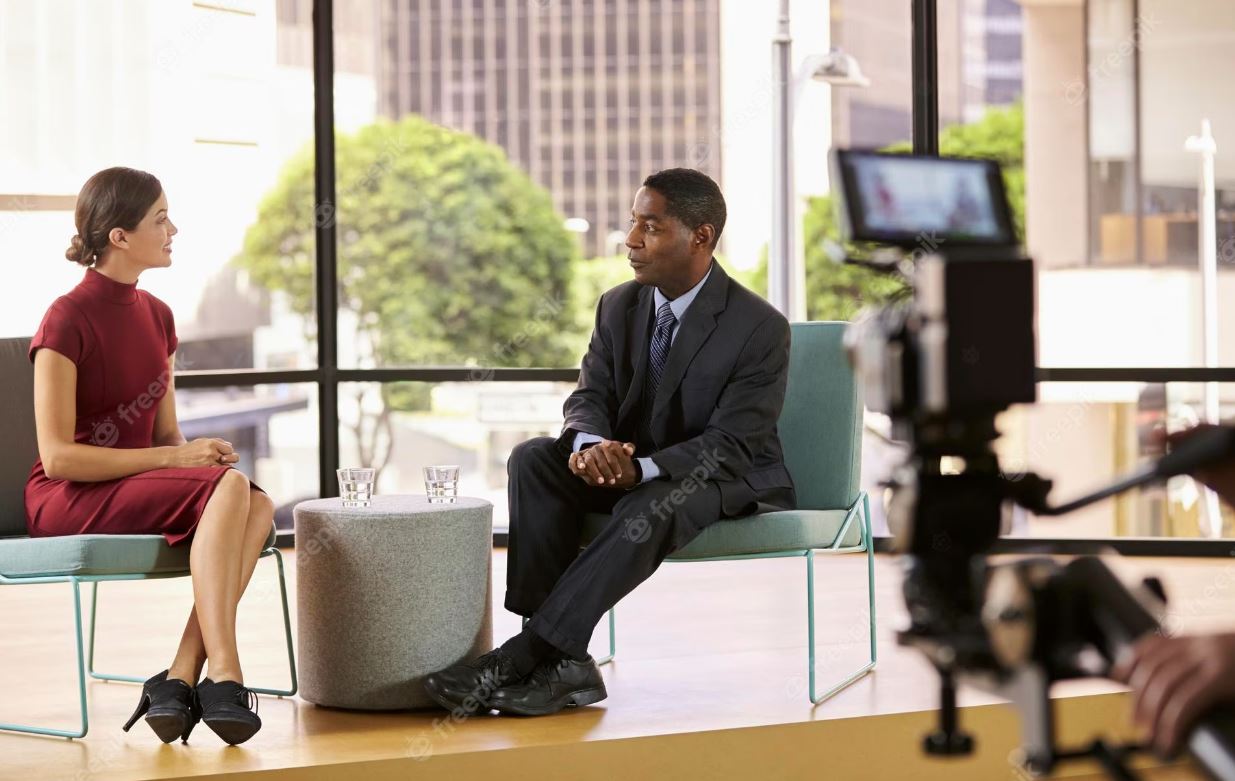
A professional production crew with the right equipment can establish a compact, properly lit interview setup in an adjacent room, a corridor alcove, a hospitality suite, or any quieter space accessible from the main event floor. With structured questions prepared in advance and a producer managing the flow of interview subjects, this setup can generate an extraordinary volume of high-quality interview content in the margins of your event day — between sessions, during breaks, before the program opens, or after the main activities conclude.
The range of content this produces is significant. Client testimonials with genuine specificity and authentic delivery, executive perspectives on industry trends and organizational vision, subject matter expert commentary on topics relevant to your marketing program, partner endorsements, and stakeholder voices that humanize your brand and communicate credibility to prospects — all captured in a professional production environment, all from an event your organization was already hosting.
A standalone interview production program generating equivalent content would require weeks of scheduling, multiple crew mobilizations, individual location setups, and a production budget substantially larger than the incremental cost of incorporating interview capture into your event production plan. If your event production does not include on-site interview capture, you are leaving significant content value — and significant cost efficiency — on the table.
The Strategic Case for Dedicated Event Photography
Still photography at business events is persistently under-planned and under-resourced relative to video — despite the fact that still images serve a broader range of organizational communication needs than video across most industries and most distribution contexts.
Press and media relations operates primarily in still images. Website and digital presence photography is predominantly still imagery. Annual reports, investor materials, and board presentations rely heavily on photography for visual communication. Sales proposals and capability presentations use photography to convey credibility, organizational scale, and professional quality. Social media content calendars require a sustained flow of high-quality still images that video clips do not and cannot replace.
Your business events are among the most efficient production environments available for generating this photography. Your leadership is present and engaged. Your team is assembled in a professional context. Your clients and partners are visible in your environment. The energy, scale, and human dimension of your organization are on display in ways that are costly and logistically complex to recreate outside the event context.
Capturing this effectively requires a dedicated professional photographer with a clear photographic brief, appropriate equipment for the venue and lighting conditions, and the editorial experience to identify and prioritize the moments, subjects, and environments that serve your brand communication objectives.
This is not coverage that can be competently provided by a videographer operating a secondary camera, or by a capable staff member with a consumer-grade device, or by splitting the attention of someone with other primary production responsibilities. Professional event photography is a distinct discipline that deserves dedicated professional attention — and the assets it generates at your events will be in active use across your marketing channels long after the event itself has receded from memory.
Multi-Format Content Extraction: The Repurposing Multiplier
The most significant difference between organizations that achieve genuine cost efficiency in event production and those that do not is a commitment to multi-format content extraction from every production engagement.
Most organizations commission event video and photography and receive a primary deliverable — a highlight video, an event gallery, a keynote recording. That deliverable has value. But it represents a fraction of the content potential embedded in the footage and photography captured on a well-documented production day.
A structured repurposing strategy extracts that full potential. It begins before the event, when the deliverables map is built and the production plan is designed to capture material that serves every intended output format. It continues through post-production, when an experienced team methodically generates each deliverable from the source library rather than treating the primary cut as the final work product.
The output of a properly repurposed event production engagement might include a feature-length event video for attendee distribution and on-demand viewing, a three-to-five-minute highlight reel for the website and YouTube, ninety-second social recap cuts for LinkedIn and Facebook, thirty-second speaker and moment clips for sustained social posting, vertical 9:16 formatted content for Instagram Reels and TikTok, still frame extractions from video for use as social imagery, interview segments edited as individual thought leadership pieces, a promotional cut for the next event in the series, and a B-roll package filed for use in future productions.
Every one of these outputs serves a different audience, channel, and marketing objective. Every one of them comes from source material captured on the same production day. The cost of the production day is distributed across all of these outputs simultaneously — which is what makes strategic event production one of the most economical content investments available to marketing decision-makers.
Aerial and Specialized Production: Expanding Visual Capability Cost-Effectively
For events with outdoor components, architecturally distinctive venues, large-format activations, or production requirements that benefit from elevated perspective, licensed drone services represent a cost-effective way to add production value that ground-level coverage cannot replicate.
Aerial establishing shots of a conference venue, overhead coverage of an outdoor activation, dynamic drone movement through an architectural environment — these perspectives communicate scale, production quality, and visual sophistication that distinguishes your event content in a media environment saturated with conventionally shot corporate video.
Incorporated into an existing event production engagement, drone coverage adds modest incremental cost relative to the visual impact it contributes to your final deliverables. For outdoor events, campus productions, real estate and construction industry events, and large-scale public or community activations, aerial coverage frequently becomes one of the most memorable and differentiating elements of the finished content.
For organizations in specialized industries, advanced drone capabilities extend the value of production engagement into operational territory. Infrared thermal imaging, orthomosaic mapping, and LiDAR data acquisition serve clients in construction, environmental services, facilities management, agriculture, and municipal government — applications where the data captured from the air has direct operational and analytical value beyond its marketing applications.
The Mistakes That Make Event Production More Expensive
Understanding the most common and costly errors in business event production helps decision-makers avoid them before they become budget problems.
Selecting vendors on price without evaluating capability. The production market spans an enormous range of equipment quality, crew experience, and post-production competency. A low day rate from an underpowered or inexperienced crew frequently results in source material that cannot support the deliverables you require — and no budget recovery is possible once the event has ended and the opportunity has passed. Evaluate production partners on portfolio quality, pre-production process, crew credentials, and the depth of their planning engagement — not on rate alone.
Failing to define deliverables before the production day. If your production team does not know what you need the content to accomplish — across which channels, in which formats, for which audiences — they cannot structure the shoot to serve those outcomes. This is the most common source of misalignment between client expectations and production deliverables, and it is entirely avoidable through pre-production planning.
Treating audio as a secondary budget consideration. Professional audio capture is not optional at business events where video content is a required output. Audiences tolerate imperfect visuals at a far higher threshold than they tolerate difficult audio. A poorly recorded keynote, panel discussion, or interview is unusable video content regardless of how well it was shot. Budget appropriately for professional audio — dedicated technicians, wireless microphone systems, proper monitoring — at every event where video is a deliverable.
Assigning photography to non-specialist resources. The costs of underpowered event photography are not always immediately visible — but they accumulate across every application where the resulting images are inadequate for the purpose. Press placements missed because the images are not press-ready. Website imagery that does not communicate the quality of the organization it represents. Social content that underperforms because the photography lacks the visual quality to compete in a high-production media environment. Invest in dedicated professional photography with a clear brief. The return is measured across years of asset use.
Not planning for post-production before the event. Post-production is not a phase that begins when the production day ends. It is a phase that should be planned before the production day begins — with deliverables defined, formats specified, and the shoot designed to serve the edit. Production teams that understand what the post-production process requires can capture source material that supports it efficiently. Teams that discover the deliverable requirements in the edit suite are working at a significant disadvantage that costs their clients time and money.
St. Louis Headshot Photographer: Your Full-Service Production Partner Since 1982
For organizations throughout the St. Louis area and beyond, St. Louis Headshot Photographer has served as a trusted production partner for businesses, marketing firms, and creative agencies since 1982 — bringing more than four decades of professional commercial photography and video production experience to every client engagement we undertake.
We are a full-service studio and location video and photography company, providing complete editing, post-production, and licensed drone services under one roof. Every project we take on is supported by the right equipment, an experienced creative crew, and the production depth necessary to ensure successful image acquisition — whether your production takes place in our private studio facility or on-location at your event venue anywhere in the region.
Our private studio is purpose-built for professional production — a controlled lighting and visual environment designed for interview scenes, small-scale productions, and branded content capture, with sufficient space to incorporate props and set elements that fully complete your on-camera environment. When your production moves into the field, our location scouting expertise and dedicated B-roll specialists ensure that every on-location environment is approached with the same intentionality and visual standard we apply in our controlled studio.
We support every dimension of your production from the initial planning conversation through final file delivery. That scope includes establishing a private, custom interview studio within your event venue, supplying professional sound and camera operators, providing the right equipment configuration for your specific environment and deliverable requirements, and managing the post-production workflow that transforms your event footage and photography into polished, platform-optimized content.
Our drone services extend considerably beyond conventional aerial photography. We operate specialized FPV drones capable of indoor flight — creating distinctive cinematic possibilities for trade show floors, interior architectural spaces, manufacturing and warehouse facilities, and experiential event environments where traditional aerial equipment cannot operate. Our advanced drone service capabilities also include infrared thermal imaging, orthomosaic mapping, and LiDAR data acquisition for clients in industries where specialized aerial data serves both marketing and operational purposes.
Repurposing your video and photography assets to generate sustained brand traction across your full platform ecosystem is a specialty we bring to every client relationship. We are fluent in all file types, media formats, and the software environments that support contemporary content distribution and marketing technology stacks. We incorporate the latest Artificial Intelligence tools throughout our media services — in editing, color grading, audio processing, transcription, and asset management — to enhance workflow efficiency, creative output quality, and the final value of every deliverable we produce.
St. Louis Headshot Photographer can customize your production for the full range of media requirements your organization manages — from a single refined event highlight video to a comprehensive multi-platform content program engineered from one strategic production engagement.
Business events are generating content opportunities on your calendar right now. The question is whether your production strategy is built to capture them.
Modern Business Visibility Requires More Than a Profile Photo
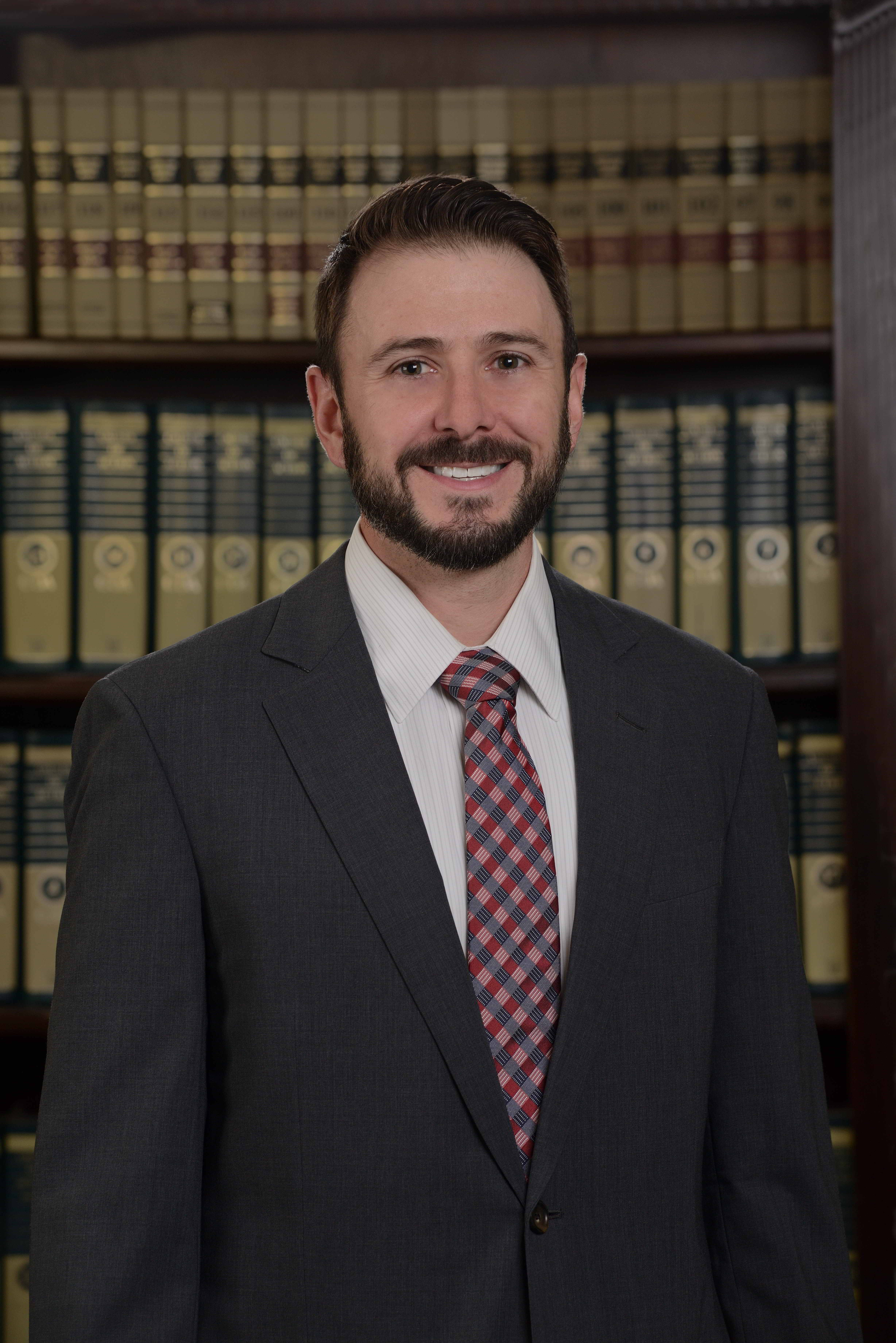
For professional service firms, personal credibility is one of the strongest marketing assets a company can build. Attorneys, accountants, consultants, financial advisors, healthcare professionals, real estate teams, executives, engineers, architects, and agency leaders all rely on trust before a client ever makes contact. That trust often begins with a photograph, a short video clip, a LinkedIn profile, a website bio, or a social media introduction.
Professional headshots and short-form video clips are no longer optional marketing extras. They are essential tools for building authority, consistency, and recognition across websites, proposals, social platforms, email signatures, press releases, recruiting materials, and business development campaigns.
A well-produced headshot communicates professionalism. A short video clip adds voice, personality, expertise, and approachability. Together, they help professional service providers appear credible, current, and prepared to compete in a digital-first marketplace.
Why Professional Services Need Better Visual Branding
Professional services are built on expertise, judgment, experience, and relationships. Unlike product-based businesses, firms often sell knowledge, guidance, strategy, advocacy, or specialized problem-solving. That makes the people behind the business central to the brand.
Decision makers evaluating a firm are often asking:
Can I trust this team?
Do they look experienced?
Do they understand my business?
Are they professional enough for the level of work I need?
Do they appear approachable and confident?
Do they communicate clearly?
High-quality headshots and video clips help answer those questions quickly. They give prospective clients a visual and emotional impression before a meeting, phone call, or consultation ever takes place.
Poor lighting, outdated portraits, inconsistent staff photos, low-resolution images, and awkward phone videos can weaken that impression. Professional photography and video production create a more polished and intentional presence.
Headshots That Support Business Development
A professional headshot should do more than document what someone looks like. It should support a business goal.
For a professional services firm, headshots may be used for:
Website team pages
LinkedIn profiles
Speaking engagements
Proposal documents
Pitch decks
Press releases
Email signatures
Conference bios
Recruiting materials
Association directories
Social media announcements
Internal communications
Client onboarding materials
The best business headshots are clean, consistent, properly lit, and aligned with the firm’s brand. Some companies prefer a traditional studio look with a neutral background. Others want environmental portraits in offices, conference rooms, production spaces, or recognizable St. Louis locations. The right approach depends on the audience, brand positioning, and intended use.
Consistency Matters Across the Entire Team
One of the most common problems with professional service branding is inconsistency. One attorney may have a polished studio portrait, another may use an outdoor photo, another may use a cropped event image, and another may have no updated image at all.
That inconsistency can make a firm look less organized than it truly is.
A coordinated headshot session solves that problem. It gives the organization a unified visual standard while still allowing individual personalities to come through. Consistent lighting, framing, background, color balance, retouching, and file preparation make a website or proposal look more professional.
For growing firms, it is also important to establish a repeatable headshot style. New hires can be photographed later using the same visual approach, helping the brand stay consistent over time.
Video Clips Add Personality and Expertise
Professional headshots establish credibility. Video clips expand it.
Short video content gives professional service providers a chance to communicate expertise in a more human way. A 15-second, 30-second, or 60-second clip can explain a service, answer a common client question, introduce a team member, promote a seminar, support recruiting, or create fresh content for LinkedIn and other social platforms.
For many businesses, the most valuable video clips are simple, focused, and professionally produced. They do not need to feel overproduced. They need to look clean, sound clear, and communicate a useful point.
Examples include:
Attorney introduction clips
CPA tax planning tips
Financial advisor market commentary
Consultant thought leadership videos
Healthcare provider introductions
Executive leadership messages
Recruiting and culture clips
Professional association announcements
Client service explanations
LinkedIn profile videos
Website bio videos
Social media Q&A clips
A short video can make a professional more memorable because it combines expression, voice, confidence, and subject-matter knowledge.
Social Media Requires More Content, Not Just More Posts
Social media marketing for professional services is often difficult because firms are not always sure what to post. A well-planned headshot and video production session can create a library of usable content from a single production day.
From one session, a company can often create:
Updated headshots for every team member
Horizontal website bio images
Vertical social media portraits
Behind-the-scenes photos
Short-form social media video clips
Website introduction videos
Recruiting clips
Service explanation clips
B-roll of office activity
Group photos
Leadership portraits
Testimonial-style interviews
Branded still images for future posts
This approach is efficient because the same production environment, lighting setup, crew, and planning can support multiple deliverables. Instead of creating one piece of content at a time, firms can build a complete visual library for use across several months of marketing.
Planning the Right Production Session
A successful professional services headshot and video session begins with planning. The production team should understand how the images and clips will be used before the cameras are set up.
Important planning questions include:
Will the headshots be used on a website, LinkedIn, proposals, or all of the above?
Should the look be formal, approachable, modern, traditional, or editorial?
Will the session take place in a studio, at the client’s office, or both?
How many people need to be photographed?
Will video clips be recorded during the same session?
Should the video format be horizontal, vertical, or both?
Will captions, graphics, logos, or lower thirds be needed?
Does the firm need social media cutdowns?
Will additional b-roll help tell the story?
Should the final assets be organized by person, department, or usage type?
Professional planning avoids wasted time and helps ensure that the final photography and video files are practical for marketing teams, web developers, social media managers, and creative agencies.
Studio Headshots Versus Location Headshots
Both studio and location photography can work well for professional services. The best choice depends on the desired message.
Studio headshots offer control. Lighting, background, posing, and consistency can be carefully managed. This is especially useful for firms that want a polished, uniform look across a large team.
Location headshots offer context. A professional photographed in an office, conference room, lobby, workspace, or city environment may appear more connected to the business setting. Location portraits can also be useful for websites and marketing campaigns where the company wants a more custom feel.
Many firms benefit from a combination of both. Studio-style headshots can provide consistency, while environmental portraits and b-roll can add depth for web pages, social media, and brand storytelling.
Video Clips Should Be Short, Clear, and Useful
For social media, clarity is more important than length. Professional service providers often know their field deeply, but online audiences need focused communication.
Strong short-form video topics include:
“What should clients know before calling us?”
“What problem do we solve most often?”
“What makes our process different?”
“What question do we hear every week?”
“What is one mistake businesses should avoid?”
“What should someone prepare before a consultation?”
“What makes our team qualified?”
“What does our firm value most?”
These prompts help professionals speak naturally while keeping the message concise. The goal is not to deliver a full lecture. The goal is to create a useful moment of authority that can be shared, repurposed, and remembered.
The Importance of Professional Audio
Many businesses focus on the camera and forget the sound. For professional services video, audio is critical.
A video clip with poor sound can damage credibility even if the image looks acceptable. Clear dialogue, controlled background noise, professional microphones, and proper recording technique make the speaker easier to understand and more trustworthy.
This is especially important for attorneys, consultants, executives, advisors, and technical experts. Their words carry the value. The production must capture those words clearly.
B-Roll Makes Content More Engaging
B-roll is supporting footage that helps make video content more visually interesting. For professional service firms, b-roll may include office activity, client meeting setups, exterior building shots, team collaboration, close-ups of hands at work, conference room scenes, branded signage, technology, documents, or architectural details.
B-roll helps avoid static talking-head videos. It gives editors material to cover transitions, emphasize key points, and create more polished social media clips.
For website videos, b-roll can also help communicate scale, professionalism, culture, and environment.
Repurposing Content for Greater Marketing Value
A smart production strategy considers how every image and video clip can be used in more than one place.
For example, a single recorded interview can become:
A website bio video
Several short LinkedIn clips
A recruiting message
A social media quote graphic
A proposal introduction
A conference speaker clip
A blog post companion video
An email marketing asset
A still-image pull from the footage
This kind of repurposing helps companies get more value from each production day. It also keeps the brand visible across multiple platforms without constantly starting from scratch.
Professional Retouching and File Preparation
Headshot quality does not end when the photo is taken. Final image preparation matters.
Professional retouching should be clean and realistic. The goal is to reduce distractions, manage shine, soften temporary blemishes, adjust color, and create a polished final image without making the person look artificial.
Files should also be delivered in formats that are easy to use. Marketing teams may need high-resolution files for print, web-optimized files for websites, square crops for social media, vertical crops for mobile platforms, and transparent or background-specific versions for design use.
The same principle applies to video. Final clips may need to be delivered in multiple formats, including horizontal, vertical, square, captioned, uncaptioned, compressed, and high-resolution versions.
AI as a Production Support Tool
Artificial Intelligence can support modern photography and video workflows when used properly. AI tools can assist with organization, editing efficiency, transcription, captioning, content repurposing, formatting, and certain post-production enhancements.
For professional services, AI should not replace strategy, lighting, direction, camera work, audio recording, or experienced production judgment. It should support the workflow and help deliver usable content more efficiently.
Used correctly, AI can help extend the value of a production by making it easier to create social media clips, transcripts, captions, and variations for different platforms.
Why Decision Makers Should Invest in Professional Visual Content
Professional services are competitive. A strong reputation still matters, but today that reputation is often evaluated online before direct contact is made.
Investing in professional headshots and video clips can help a firm:
Improve first impressions
Strengthen website credibility
Support LinkedIn visibility
Humanize leadership and staff
Create consistent team branding
Improve proposal and pitch materials
Build a library of social media content
Support recruiting and culture messaging
Make experts more approachable
Increase the perceived professionalism of the organization
The return is not limited to one photograph or one video. The value comes from having a complete set of assets that can support marketing, sales, communications, and recruiting over time.
A Practical Production Approach for Professional Services
For many firms, the most efficient approach is to schedule a combined headshot and video production session.
A practical production day might include:
Individual headshots
Team photos
Leadership portraits
Short-form video clips
Website bio videos
Office b-roll
Social media clips
Environmental photography
Behind-the-scenes stills
Branded visual assets
This gives the organization a coordinated collection of content instead of scattered, unrelated files. It also helps busy professionals make the most of their time by capturing multiple marketing assets during one planned session.
Professional Services Headshots and Video Clips Built for Modern Marketing
Professional headshots and social media video clips help firms present their people with confidence, consistency, and clarity. For professional service organizations, that visual presentation is directly tied to trust. Clients want to know who they are hiring. Referral partners want to know who they are recommending. Prospective employees want to know what kind of team they may be joining.
The right photography and video production can make those impressions stronger, more polished, and more useful across every marketing channel.
St Louis Headshot Photographer
St Louis Headshot Photographer is an experienced full-service professional commercial photography and video production company with the right equipment, creative crew service experience, and production knowledge needed for successful image acquisition. We provide full-service studio and location video and photography, along with editing, post-production, and licensed drone services.
St Louis Headshot Photographer can customize productions for diverse types of media requirements, from professional services headshots and executive portraits to short-form video clips, social media content, interview setups, b-roll, and branded marketing assets. Repurposing photography and video branding to gain more traction is another specialty. We are well-versed in all file types, media styles, production workflows, and accompanying software, and we use the latest in Artificial Intelligence to support our media services.
Our private studio lighting and visual setup is ideal for small productions and interview scenes, and our studio is large enough to incorporate props to round out your set. We support every aspect of production, from setting up a private custom interview studio to supplying professional sound and camera operators, as well as providing the right equipment to help make your next video production seamless and successful.
We are location scouting and b-roll specialists, and we can also fly specialized FPV drones indoors. Other drone special services include infrared thermal imaging, orthomosaics, and LiDAR. As a full-service video and photography production corporation serving the St. Louis area since 1982, St Louis Headshot Photographer has worked with many businesses, marketing firms, and creative agencies for their marketing photography and video production needs.
When businesses think about headshots, they often think of a simple portrait session for one executive, one employee, or one new hire. In practice, professional headshots can be much more strategic than that. They can support recruiting, strengthen brand consistency, improve presentation quality, and help an organization look more polished everywhere its people appear. That includes websites, proposal documents, press releases, LinkedIn profiles, investor materials, conference signage, email signatures, internal communications, and sales collateral.
For many organizations, the real question is not whether they need professional headshots. The question is where and how those headshots should be produced. Should your team come into a studio environment, or should the photographer bring the production to your office? And if you need multiple people photographed, how do you do it efficiently without sacrificing quality?
As an experienced videographer, photographer, and producer at St Louis Headshot Photographer, I can tell you that both studio headshots and on-location office headshots can be excellent choices when they are planned properly. The best option depends on your goals, your brand style, your schedule, and the number of people who need to be photographed.
Why Professional Headshots Matter More Than Ever
Decision makers today are asking their teams to represent the company across more channels than ever before. A headshot is no longer just an HR formality. It is often the first visual impression a client, prospect, media contact, or potential recruit sees.
A strong headshot communicates professionalism, confidence, approachability, and credibility. A weak one can make even a strong organization appear inconsistent or outdated. This is especially true when some team members have polished portraits while others are using cropped event photos, cell phone images, or portraits with mismatched backgrounds and lighting.
A professionally produced headshot program helps organizations:
Create a more unified brand presence
Make leadership and team pages look stronger
Support sales and marketing outreach
Improve social media and LinkedIn presentation
Strengthen recruiting materials
Provide updated visuals for media and PR opportunities
Save time by creating a repeatable process for new hires and team updates
For companies with multiple employees, headshots are not just about appearance. They are about brand management.
Studio Headshots: Controlled, Consistent, and Highly Polished
There is a reason studio headshots remain a preferred option for many businesses and professionals. A studio environment gives the production team maximum control over lighting, background, posing, camera angle, and overall visual consistency.
When individuals or teams come into the studio, we can shape the session around the exact look the client wants. That might mean classic corporate portraits, more modern approachable branding headshots, darker dramatic executive portraits, or bright clean images that feel open and contemporary.
Benefits of Studio Headshots
A studio session offers several important advantages.
Complete control of lighting and background. Studio lighting is predictable and repeatable. That means we can produce a refined look that is consistent from one person to the next.
Minimal office distractions. There are no interruptions from meetings, hallway traffic, ringing phones, or changing daylight conditions.
A more comfortable portrait environment. Many people actually feel more focused in a dedicated studio setting where the session is clearly designed for photography.
Ideal for executives, personal branding, and smaller groups. When a key leader, sales professional, attorney, physician, consultant, or spokesperson needs a more carefully crafted image, the studio often delivers the most polished result.
Clean, timeless results. Studio portraits tend to age well because they are less dependent on temporary office interiors or design trends.
For organizations that want a high-end, deliberate, brand-driven result, a studio headshot session is often the best fit.
Office Headshots: Efficient, Convenient, and Scalable
There are many situations where bringing the headshot production directly to the client’s offices is the smarter business move. If you need multiple team members photographed, if your staff has limited availability, or if you want to minimize time away from work, on-location headshots can be extremely effective.
A professional crew can bring a complete lighting and backdrop setup into your offices and create a temporary portrait station that delivers studio-quality results with minimal disruption.
Benefits of On-Location Office Headshots
Convenience for teams. Employees do not need to commute to a separate location. They simply step out of their workflow for a short session and return to work.
Efficient scheduling for multiple people. This is often the most practical solution for photographing departments, leadership teams, regional offices, or company-wide updates.
Strong for onboarding or company refreshes. Organizations updating their website, launching a new brand, or preparing for a PR or recruiting push often benefit from photographing many employees at once.
Consistent visuals across the team. Even when photographing dozens of people, the right setup and process can keep backgrounds, lighting, and framing aligned.
Opportunity to combine photography and video. Once a professional crew is already on-site, many companies expand the day to include workplace photography, team images, interview videos, office environment visuals, or short branded content pieces.
For businesses that need scale, speed, and minimal disruption, on-site headshots are often the ideal solution.
Which Is Better: Studio or Office?
The honest answer is that neither option is automatically better. The better choice depends on the assignment.
A studio session is usually best when:
You want the most polished and controlled visual outcome
You are photographing one person or a small number of people
The portraits are for executive branding, media use, or high-visibility marketing
You want a refined studio look rather than an environmental office feel
An office session is usually best when:
You need to photograph multiple people efficiently
Your team has limited time
You want to avoid sending employees off-site
You are updating an entire company directory or team page
You want to combine headshots with other photo or video production while the crew is on location
The important point is that a professional production team should be able to guide you toward the best format based on your goals, not force every client into the same template.
Headshots for Individuals vs. Headshots for Teams
The needs of one person and the needs of an organization are not the same.
Individual Headshots
Individuals often want a portrait that reflects both professionalism and personality. Their headshot may be used on LinkedIn, company bios, speaking engagements, press materials, business development outreach, and personal branding platforms.
For an individual, the focus is often on:
Expression
Wardrobe
Brand positioning
Background choice
Retouching preferences
Industry expectations
An attorney may want a different look than a startup founder, physician, financial professional, real estate executive, or marketing consultant.
Team Headshots
With teams, consistency becomes far more important. The goal is not to make everyone look identical, but to make the organization look cohesive.
That means attention must be paid to:
Matching background style
Consistent lighting ratio
Similar crop and composition
Uniform posing guidance
Scheduling flow
Clear wardrobe recommendations
Efficient review and file delivery
When team headshots are handled well, the finished result makes the organization appear more established, more organized, and more trustworthy.
Planning for Multiple Team Members
One of the biggest mistakes companies make is underestimating the logistical side of team headshots. Photographing multiple people is not just a bigger version of an individual session. It requires production planning.
A successful team headshot day usually includes:
Pre-Production Scheduling
A shot schedule prevents bottlenecks and confusion. Teams should know when to arrive, how long sessions will take, and how to stay on track without losing too much work time.
Wardrobe Guidance
Employees should be given practical recommendations in advance. This helps avoid distracting patterns, inconsistent formality, and last-minute uncertainty.
Background and Style Decisions
Before the session, the company should decide whether the portraits should feel formal, modern, approachable, neutral, or brand-forward.
Space Evaluation for On-Location Sessions
If headshots are being produced at the office, the production team should identify the right room or area for lighting, staging, and flow.
File Naming and Delivery Workflow
For companies with multiple team members, organized file handling matters. Images should be easy to identify, sort, distribute, and use.
The difference between a rushed headshot day and a professionally managed one is often invisible to the casual observer, but very obvious in the finished results.
Making People Comfortable on Camera
Many professionals are not comfortable being photographed. That is normal. One of the most important parts of a headshot session is not the camera. It is direction.
A good headshot photographer knows how to coach expression, posture, chin angle, eye line, hand position, and body language in ways that feel natural instead of stiff. That matters whether the subject is a CEO, salesperson, physician, attorney, engineer, or administrative team member.
When people feel guided rather than judged, their expressions improve. Their posture improves. Their confidence improves. And that confidence shows in the final image.
That is especially important when photographing groups within an organization. If the first few people have a positive experience, that attitude usually spreads to the rest of the team.
Beyond Headshots: Building a Stronger Visual Library
A headshot day can also be an opportunity to create more than just portraits.
Many businesses use the same production day to capture:
Team photography
Office environment images
Leadership group photos
Workplace interaction scenes
Interview videos
Branded video content
Social media visuals
Recruitment imagery
This is one of the smartest ways to maximize production efficiency. Once the lighting, crew, and equipment are already in place, it often makes sense to create a wider set of visual assets that marketing and communications teams can use for months.
Instead of thinking of headshots as a one-off task, organizations should think of them as part of a broader content strategy.
How Often Should Businesses Update Headshots?
There is no single rule, but many businesses benefit from updating headshots every two to three years, or sooner if there are noticeable changes in role, appearance, branding, or team structure.
You may also want to schedule new headshots when:
You launch a new website
You go through a rebrand
You hire a significant number of new employees
Leadership changes occur
Your visual branding has become inconsistent
Your team is becoming more active in media, speaking, sales, or recruiting
The cost of outdated imagery is usually not obvious on a line item, but it does affect brand perception.
Choosing the Right Partner for Studio or On-Site Headshots
Whether you bring people into a studio or bring the production to your offices, experience matters. Headshots may look simple from the outside, but producing them at a high level requires technical skill, people skills, production discipline, and brand awareness.
You want a partner who understands:
Lighting quality
Efficient production flow
How to direct non-professional talent
Consistency across multiple subjects
File delivery and usage needs
The difference between portraits that are merely acceptable and portraits that actually elevate a brand
That is where experienced production support makes the difference.
Why St Louis Headshot Photographer Is a Strong Choice for Studio and On-Location Headshots
St Louis Headshot Photographer has extensive experience producing headshots in our studio and at client offices for individuals, executives, and multiple team members. Since 1982, St Louis Headshot Photographer has worked with many businesses, marketing firms, and creative agencies in the St. Louis area for their marketing photography and video.
We are a full-service professional commercial photography and video production company with the right equipment and creative crew service experience for successful image acquisition. We offer full-service studio and location video and photography, as well as editing, post-production, and licensed drone services. St Louis Headshot Photographer can customize your productions for diverse types of media requirements.
Repurposing your photography and video branding to gain more traction is another specialty. We are well-versed in all file types and styles of media and accompanying software. We use the latest in Artificial Intelligence for all our media services. Our private studio lighting and visual setup is perfect for small productions and interview scenes, and our studio is large enough to incorporate props to round out your set.
We support every aspect of your production, from setting up a private, custom interview studio to supplying professional sound and camera operators, as well as providing the right equipment, ensuring your next video production is seamless and successful. We can fly our specialized drones indoors.
Whether you need a polished individual portrait in the studio, consistent headshots for an entire department at your offices, or a broader content production that combines headshots with video and branding visuals, St Louis Headshot Photographer has the experience, flexibility, and production capability to help you create images that work hard for your business.
Trade shows are expensive by design. Booth fees, drayage, travel, sponsorships, print, giveaways—before you’ve even talked to a qualified lead, you’re already deep into the budget.
That’s why “economical” trade show photography and headshots can’t mean “cheap.” It has to mean efficient, predictable, and outcome-driven: the right coverage, captured quickly, delivered fast, and repurposed across your marketing channels so the event keeps paying you back long after the show floor closes.
As an experienced videographer, photographer, and producer at St Louis Headshot Photographer, here’s how we help St. Louis-area organizations get maximum marketing value from trade show photography and headshots—without wasting time or money.
Why Trade Show Photography Is a Budget Multiplier (When Done Correctly)
Decision makers don’t buy “photos.” They buy momentum:
Proof your team showed up strong (brand perception)
Visuals that validate your presence (credibility)
Content that extends the show’s lifespan (marketing velocity)
Assets that support sales follow-up (conversion support)
High-performing trade show photography creates content that works across:
Post-show email sequences
LinkedIn company page + executive profiles
Case studies and capability decks
Recruiting and culture posts
PR releases and internal comms
Landing pages and paid social
The goal is not to “document” the event. The goal is to manufacture marketing inventory in a single day.
What “Economical” Actually Means for Trade Show Coverage
Economical coverage is a strategy—not a price point. It means we design the shoot to eliminate waste:
1) Pre-planned shot list = fewer hours, better results
A trade show floor is chaos. If you “wing it,” you burn time and miss key assets. We plan around:
You’re not trying to create magazine covers in a hallway. You’re building clean, confident, brand-aligned portraits that elevate your entire organization’s presentation.
Common Mistakes That Make Trade Show Photography Waste Money
Here’s where budgets get quietly torched:
Mistake 1: Only shooting wide booth shots
Wide shots are necessary, but they’re rarely the assets that drive engagement. The most valuable images show:
People interacting
Hands demonstrating
Expressions and conversations
“Proof of interest” moments
Mistake 2: Not capturing leadership + partners intentionally
If your VP of Sales meets a major partner and there’s no photo, it didn’t happen (in marketing terms). We plan for:
Executive moments
Partner photos
Customer visit photos
Sponsor/association moments
Mistake 3: No plan for delivery and reuse
If images come back late—or unorganized—your marketing team won’t deploy them. Fast delivery and usable structure is part of “economical.”
A Practical Shot List for Decision Makers
If you want content that works, prioritize this hierarchy:
A few “culture” shots (energy, smiles, candid confidence)
This mix supports sales, marketing, recruiting, and PR—without inflating coverage time.
Tips to Make Your Trade Show Photo Investment Pay Off Immediately
Here are a few tactical moves that consistently improve results:
Assign a booth “traffic cop.” One person helps coordinate who steps out for headshots and when.
Keep the booth photo-ready. Clear clutter zones, hide personal bags, and straighten signage.
Build a 10-minute buffer around speaking slots. That’s when leadership photos matter most.
Capture customer stories while they’re fresh. A quick photo with a happy client can become a high-performing social post the same day.
Plan your post-show rollout before the show ends. If your marketing team knows what’s coming, they’ll publish faster.
The Bottom Line: Economical Doesn’t Mean Minimal—It Means Strategic
Trade shows are one of the few moments where your brand, your people, and your customers are all in the same physical space. Capturing that intelligently is how you turn a one-time event into an ongoing asset engine.
Why St Louis Headshot Photographer Is Built for Efficient, High-Value Tradeshow Coverage
At St Louis Headshot Photographer, we’re not just taking photos—we’re producing deliverables for real-world marketing use.
We are a full-service professional commercial photography and video production company with the right equipment, creative crew, and service experience for successful image acquisition. We offer full-service studio and location video and photography, plus editing, post-production, and licensed drone services. St Louis Headshot Photographer can customize productions for diverse media requirements, and repurposing your photography and video branding to gain more traction is a core specialty.
We’re well-versed in all file types, media styles, and the software workflows marketing teams depend on—and we use the latest Artificial Intelligence across our media services when it improves efficiency, consistency, and turnaround. Our private studio lighting and visual setup is ideal for small productions and interview scenes, and our studio space is large enough to incorporate props to round out your set. We support every aspect of production—from setting up a private, custom interview studio to supplying professional sound and camera operators and the right equipment—ensuring your next video production is seamless and successful. We can even fly specialized drones indoors when the project calls for it.
And as a full-service video and photography production corporation since 1982, St Louis Headshot Photographer has worked with many businesses, marketing firms, and creative agencies across the St. Louis area—helping them capture tradeshow visuals and headshots that look premium, deploy quickly, and keep working long after the event ends.
314-913-5626 Mike Haller Studio upon appointment, please: 4501 Mattis Road St. Louis, MO 63128
Most organizations have brand standards for logos, colors, fonts, and messaging. But the visual element people see most often—on your website, proposals, LinkedIn, email signatures, speaker bios, and recruiting pages—isn’t your logo.
It’s your people.
When headshots vary wildly in lighting, background, crop, wardrobe, and retouching style, your brand looks inconsistent—even if everything else is dialed in. The fix is not “a better headshot day.” The fix is a Headshot Style Guide: a simple, repeatable standard that keeps every portrait aligned with your brand across teams, departments, and years.
If you’re responsible for marketing, communications, HR, or business development, this is one of the highest-ROI brand consistency projects you can launch.
What a Headshot Style Guide Does (and Why Decision Makers Should Care)
A headshot style guide is a clear set of choices that makes future portraits predictable, repeatable, and on-brand. It prevents:
How St Louis Headshot Photographer Helps Organizations Implement This
At St Louis Headshot Photographer, we help businesses and organizations build a headshot system that stays consistent across departments, locations, and years—not just a one-time photo day.
We’re a full-service professional commercial photography and video production company with the right equipment and creative crew service experience for successful image acquisition. We offer full-service studio and location video and photography, plus editing and post-production and licensed drone capabilities. St Louis Headshot Photographer can customize productions for diverse media requirements, and repurposing your photography and video branding to gain more traction is another specialty. We’re well-versed in all file types, media styles, and the accompanying software, and we use the latest in Artificial Intelligence across our media services to improve consistency, speed, and deliverable flexibility.
Our private studio lighting and visual setup is ideal for small productions and interview scenes, and our studio is large enough to incorporate props to round out your set. We support every aspect of your production—from setting up a private, custom interview studio to supplying professional sound and camera operators, as well as providing the right equipment—ensuring your next video production is seamless and successful. We can fly specialized drones indoors when the project calls for it.
As a full-service video and photography production corporation serving the St. Louis area since 1982, we’ve partnered with businesses, marketing firms, and creative agencies to deliver headshots and marketing media that look intentional, consistent, and ready for real-world use.
If you want your brand to look unified everywhere your team appears, the best time to build your headshot style guide is now.